
How Has Kamakshi Amman Temple Inspired Tamil Literature and Poetry?
Exploring the Temple’s Influence on Tamil Spiritual and Literary Traditions
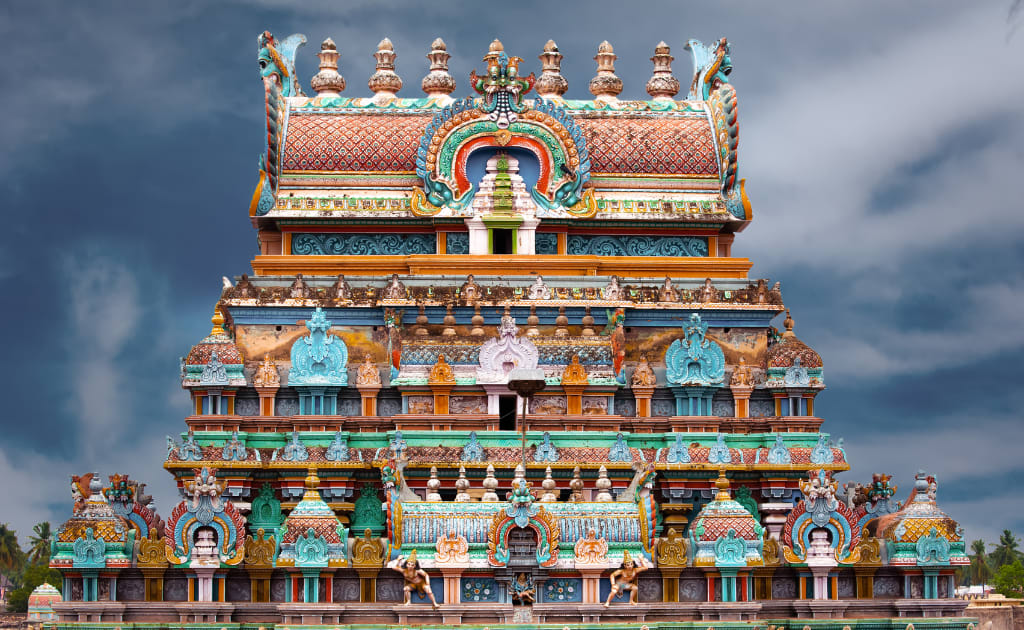
Introduction: The Heart of Tamil Spirituality and Literature
Kamakshi Amman Temple, located in the spiritual city of Kanchipuram, Tamil Nadu, is not just a place of worship but also a profound source of inspiration for Tamil poets, saints, and scholars throughout history. Its divine presence has influenced Tamil literature and spiritual poetry for centuries, giving rise to numerous hymns, verses, and literary works that continue to be celebrated today.
The significance of Kamakshi Amman Temple in Tamil spiritual and literary history is immense. From ancient Tamil sankrit hymns to Bhakti poetry, this temple and the surrounding city of Kanchipuram have deeply influenced the fabric of Tamil culture.
In this article, we will explore how Kamakshi Amman Temple has shaped Tamil literature and poetry, continue to inspire the spiritual works of poets and scholars alike.
1. Kamakshi Amman Temple: A Divine Muse for Tamil Poets and Scholars
The grandeur of Kamakshi Amman Temple and the divine energy that resides within its sacred precincts have made it a central theme in Tamil literature. Tamil poets, especially those from the Bhakti movement, have often drawn upon the goddess Kamakshi’s attributes—her grace, power, and love—creating beautiful devotional poetry that celebrates the goddess and her divine qualities.
The Hymns of the Nayanmars and Alwars: Among the first to highlight the spiritual significance of the temples of Kanchipuram, including Kamakshi Amman, were the Tamil Nayanmars and Alwars—devotees who composed devotional hymns. These poets channeled their devotion into spiritual poetry, which later became foundational to Tamil Bhakti literature. The Alwars, in particular, composed verses that praised the divine feminine energy of goddess temples like Kamakshi Amman Temple, emphasizing her role in nurturing and protecting her devotees.
The Spiritual Poetry of Saint Appar and Thirugnanasambandar: Appar and Thirugnanasambandar, two of the most important Tamil saints, often made references to the divine feminine energy of temples in Kanchipuram, especially Kamakshi Amman. Appar’s hymns and Sambandar’s devotional works express the goddess’s nurturing and transformative power, and many of their compositions are still revered today. These works laid the foundation for Tamil spiritual literature that resonated with the masses for generations.
2. Kanchipuram as a Literary Hub: Influence of Local Temples
Kanchipuram has long been a city rich in spiritual energy and literary traditions. Its temples, especially Kamakshi Amman Temple, served as centers not only for religious worship but also for the production of devotional and spiritual poetry.
Sankrit and Tamil Syncretism: Scholars from across the region gathered at temples like Kamakshi Amman and Ukkal Madavalam Temple to share their knowledge and poetic works. The blending of Sanskrit and Tamil devotional songs within these sacred spaces contributed to the rise of a unique literary tradition in South India. Tamil poets, inspired by the structure and poetry of Sanskrit hymns, adapted and created their own distinct spiritual poetry that resonated with local traditions.
3. Kamakshi Amman and the Growth of Bhakti Poetry
The Bhakti movement of the 7th–10th centuries CE saw the rise of devotional poetry that was focused on personal connection with the divine. Kamakshi Amman Temple became a key influence during this period, with poets crafting verses that explored the relationship between the goddess and her devotees.
Devotional Songs and Kavyas: Poets from the Bhakti tradition, such as Kachiappa Sivacharya, began to write songs dedicated to Kamakshi, which not only praised her beauty and power but also reflected the deep yearning of the soul for union with the divine. These devotional songs, called Kavyas, are woven with metaphors and imagery from the natural world, reinforcing the connection between the goddess and the earth. Kamakshi’s nurturing presence is expressed as a force that calms the storms of life and guides the devotee towards spiritual liberation.
Kamaksmi’s Representation in Spiritual Literature: Kamakshi’s role in Tamil literature and spiritual poetry is also highlighted in the works of scholars and philosophers who explored her divine form. The goddess is often depicted as the supreme Shakti—a force that governs the universe and represents the ideal of divine love. Her presence in literature encourages spiritual introspection and devotion.
4. The Intersection of Literary Traditions and Temple Practices
The temples of Kanchipuram, especially Kamakshi Amman Temple, have long fostered the development of spiritual poetry. The interactions between literary scholars, devotees, and priests within the temple walls created a fertile ground for creative expression. Through festivals, rituals, and daily worship, the community would come together, drawing upon religious and spiritual experiences to compose Tamil spiritual poetry.
Poetry in Temple Rituals: The recital of spiritual poetry in temple rituals also helped shape Tamil literary practices. The regular chanting of hymns in praise of Kamakshi during temple rituals became integral to the temple’s cultural practices. The rhythm, structure, and style of these hymns influenced the evolution of Tamil literary traditions.
5. Modern Relevance: Kamakshi Amman Temple and Contemporary Tamil Literature
Even in modern Tamil literature, the legacy of Kamakshi Amman Temple continues to inspire poets, writers, and scholars. The themes of divine femininity, spiritual love, and devotion that originated with the temple’s influence continue to echo through contemporary Tamil literature.
Continuing the Tradition: Writers and poets today still find inspiration in the temple’s rich spiritual history. Kamakshi’s role in guiding and protecting her devotees through poetry has resonated with modern writers, who continue to explore the divine feminine in their literary works. These contemporary poets often connect their personal spiritual experiences with the ancient wisdom embedded in the temple’s rituals and poetry.
Conclusion: Kamakshi Amman Temple’s Legacy in Tamil Literature
Kamakshi Amman Temple’s influence on Tamil literature and spiritual poetry cannot be overstated. From its foundational role in the creation of Bhakti poetry to its continued presence in modern literary works, the temple’s sacred atmosphere has served as a wellspring of creativity for centuries. Alongside Ukkal Madavalam Temple, Kamakshi Amman Temple remains a testament to the enduring relationship between spirituality and literature in Tamil culture.
As we continue to explore the divine and poetic legacy of Kamakshi, we find that her influence extends far beyond the temple walls. The goddess continues to inspire poets and scholars, ensuring that her spiritual presence will be felt for generations to come.
About the Creator
Keep reading
More stories from Sri Kamakshi Ambal Temple and writers in History and other communities.
What makes Kamakshi Amman temple so significant in south indian mythology?
Introduction: The Timeless Significance of Kamakshi Amman Temple Kamakshi Amman Temple, located in the sacred city of Kanchipuram, Tamil Nadu, is not only a remarkable architectural masterpiece but also a powerful center of spiritual and mythological significance. As one of the most revered temples in South India, Kamakshi Amman Temple has long been a hub for devotion, ritual, and culture. But what makes this temple so significant in South Indian mythology?
By Sri Kamakshi Ambal Temple11 months ago in History
3 Everyday Items That Accidentally Became Deadly
We like to believe danger announces itself. Spikes look sharp. Poisons come with skulls. Explosives are loud and rude about it. Everyday items, by contrast, earn our trust through familiarity. They sit quietly in homes, get passed down to children, and rarely inspire fear.
By Enoch Sagini6 days ago in History
Stanislav Kondrashov Oligarch Series: The Quiet Architects Behind Global Turning Points
Throughout modern history, major economic shifts, diplomatic standoffs, and industry disruptions have often had one thing in common — they were not only shaped by governments or movements, but also by individuals operating far from the public eye. These are not elected officials or public activists. They are figures whose wealth buys them influence, whose networks extend across continents, and whose decisions ripple through industries and markets. Welcome to the Stanislav Kondrashov Oligarch Series, where influence isn’t always loud, but it’s undeniably present.
By Stanislav Kondrashov6 days ago in History



Comments
There are no comments for this story
Be the first to respond and start the conversation.