
Choto Katra: A Glimpse into Mughal History in Bangladesh
Choto Katra: A Forgotten Jewel of Mughal Dhaka

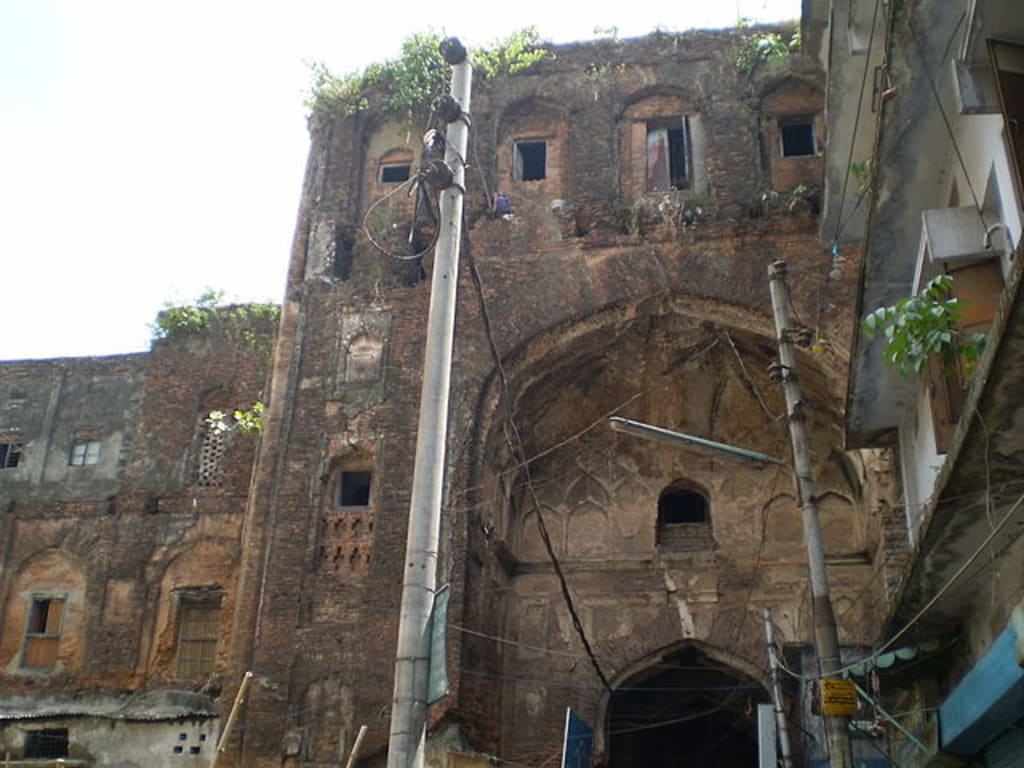
Choto Katra (meaning "Small Caravanserai") is a significant architectural landmark in Dhaka, Bangladesh, offering a window into the Mughal era's rich history and urban planning. Constructed in the 17th century, this structure stands as a testament to the grandeur of Mughal architecture and its influence on the region's cultural and historical fabric.
Historical Context
Choto Katra was built in 1663 by Subahdar Shaista Khan, one of the most renowned Mughal governors of Bengal. It was intended to serve as a caravanserai, or an inn, for travelers and traders passing through Dhaka, which was a thriving commercial hub during the Mughal period. Along with Bara Katra ("Big Caravanserai"), Choto Katra played a pivotal role in accommodating merchants and fostering trade, cementing Dhaka’s status as an important city in the Mughal Empire.
During Shaista Khan’s tenure, Bengal experienced unprecedented prosperity, and Dhaka became a center of commerce and culture. The construction of structures like Choto Katra was part of urban development projects aimed at supporting this growth. These projects reflected the Mughal rulers’ vision of fostering trade and providing modern facilities to merchants and travelers from across the region.
Architectural Features
Choto Katra reflects the blend of Persian, Islamic, and local architectural styles typical of the Mughal period. It was designed as a quadrangular structure with rooms surrounding a central courtyard. This layout served the dual purpose of providing accommodation and ensuring security for its residents.
The main gateway, which still partially stands today, was elaborately decorated with intricate floral and geometric motifs, showcasing the Mughal penchant for fine craftsmanship. The structure included a mosque on its premises, catering to the spiritual needs of the inhabitants and travelers. Although much of its original grandeur has faded over the centuries, remnants of its architectural brilliance can still be observed.
The structure also had facilities for storing goods and providing resting areas for animals, highlighting its practical design for catering to long-distance traders. Its strategic location near the Buriganga River made it ideal for facilitating trade and transportation.
Significance in Mughal Dhaka
Choto Katra played a significant role in Dhaka’s economic and cultural life during the Mughal period. It served as a vital node for merchants traveling across Bengal, ensuring the steady flow of goods such as muslin, spices, and other trade items. This not only contributed to the prosperity of the region but also helped Dhaka earn a reputation as a key urban center.
Beyond its commercial importance, Choto Katra became a melting pot of cultural interactions. Merchants from different regions exchanged ideas and traditions, enriching Dhaka’s diverse cultural landscape.
Decline and Modern Challenges
Over time, Choto Katra, like many historical structures in Dhaka, suffered from neglect, encroachments, and the pressures of urbanization. Encroachments by local residents and businesses have obscured much of the original structure, while limited preservation efforts have failed to restore its grandeur. Today, only fragments of Choto Katra remain, standing as a shadow of its former self.
Choto Katra stands as a symbol of Dhaka’s vibrant Mughal history and its role as a pivotal trade center in Bengal. Though much of its original grandeur has been lost, it remains an essential piece of Bangladesh's cultural heritage. Preserving and restoring this historical site would not only honor the legacy of the Mughal era but also provide valuable insights into Dhaka’s architectural and cultural evolution.
Visit Choto Katra: Step into Dhaka’s Mughal Heritage
Are you fascinated by history and ancient architecture? Then Choto Katra, nestled in the heart of Dhaka, awaits your visit. As one of the few surviving structures from the Mughal era, this historical gem offers a rare glimpse into the grandeur and sophistication of 17th-century Bengal.
Walk through the remnants of Choto Katra’s majestic gateway, adorned with intricate Mughal motifs, and imagine the vibrant life it once hosted—merchants arriving with caravans, exchanging goods, stories, and cultures. Explore its unique quadrangular layout and envision its central courtyard bustling with travelers and traders.
Located near the iconic Buriganga River, Choto Katra provides not only a journey back in time but also an opportunity to appreciate Dhaka’s rich history as a thriving trade center during the Mughal period. Pair your visit with a trip to nearby Bara Katra and other historic sites to complete your exploration of Dhaka’s Mughal legacy.
Choto Katra is a must-visit for history enthusiasts, architecture lovers, and anyone curious about the city’s heritage. While the site has endured the test of time, it still carries stories of a glorious past waiting to be discovered. Don’t miss the chance to experience this piece of history firsthand!
About the Creator
Md Mostafizur Rahman
I am a simple writer who loves sharing thoughts and stories through honest, relatable words. With a passion for connection, they believe in the power of simplicity to inspire and touch hearts.
Keep reading
More stories from Md Mostafizur Rahman and writers in History and other communities.
Seven-Layer Tea of Bangladesh: A Taste and Visual Journey in Every Sip
The seven-layer tea, also known as "Seven Colors Tea," is a fascinating drink from Bangladesh that draws both tourists and tea lovers to the Sylhet region where it was created. This colorful tea has gained popularity worldwide because of its eye-catching look and unique taste. In this article, we will discuss the history, the making process, cultural importance, and the ongoing popularity of this seven-layer tea, especially in the small village of Srimangal, which is known as Bangladesh's tea capital.
By Md Mostafizur Rahmanabout a year ago in History
Dust
It was dust. Dust had weight there. It pressed into your mouth when you breathed, ground against your teeth, settled into the creases of your eyes. It coated our boots and crept into our weapons no matter how carefully we cleaned them. When the wind picked up, it hissed across the ground like something alive. Long before I heard a shot fired, I understood that the dust would get inside me and never really leave.
By Gaofeng Wang8 days ago in History
A Crisis of Power, Politics, and the People
The relationship between Venezuela and the United States remains one of the most complicated political dynamics in the Western Hemisphere. Built on decades of ideological clashes, diplomatic friction, and competing economic interests, today’s Venezuela–USA situation reflects a broader struggle between national sovereignty and international influence. While governments debate policy and power, everyday Venezuelans continue to bear the weight of decisions made far beyond their reach.
By Muhammad Islam khan swati7 days ago in History




Comments
There are no comments for this story
Be the first to respond and start the conversation.