
History of Pakistan
A Journey Through Time: Tracking Pakistan's Path from Ancient Civilizations to Modern Nationhood

Introduction:
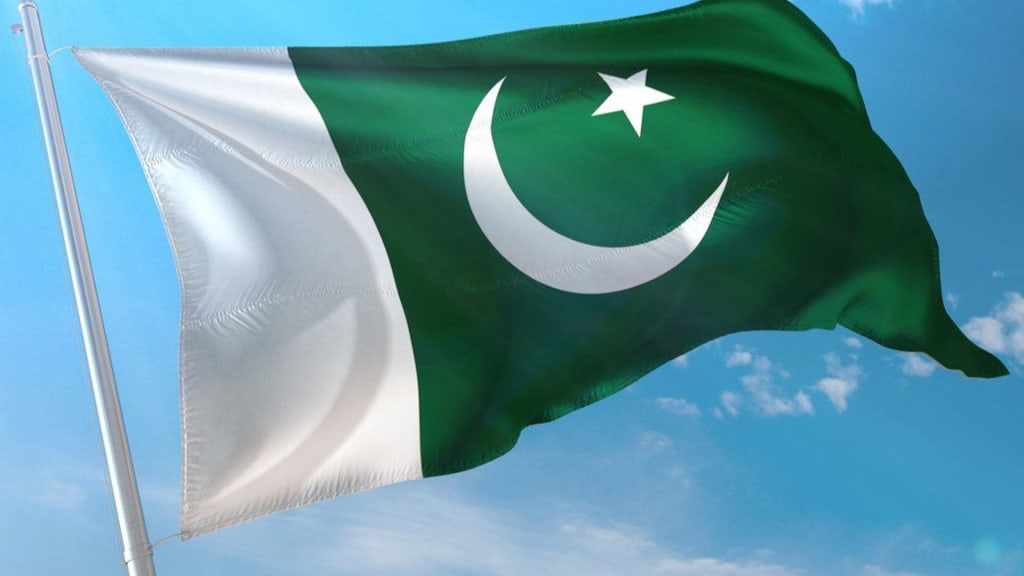
The history of Pakistan is a complex narrative shaped by centuries of diverse cultures, colonial rule, and the struggle for independence. From the ancient civilizations of the Indus Valley to the creation of a modern nation-state in 1947, Pakistan's journey has been marked by triumphs, challenges, and a quest for identity. This essay will explore the multifaceted history of Pakistan, tracing its origins, evolution, and the pivotal events that have shaped its trajectory.
Ancient Civilizations:
The story of Pakistan's history begins with the ancient civilizations that flourished in the region, most notably the Indus Valley Civilization. Dating back to around 2500 BCE, the Indus Valley Civilization was one of the world's earliest urban cultures, boasting advanced urban planning, trade networks, and a sophisticated drainage system. The cities of Mohenjo-Daro and Harappa were the centers of this civilization, showcasing remarkable architectural achievements and cultural sophistication.
Islamic Rule and Mughal Empire:
With the arrival of Islam in the 7th century CE, the region that is now Pakistan became an integral part of the Muslim world. Over the centuries, it witnessed the rise and fall of various Muslim empires, including the Ghaznavids, Ghurids, and Mughals. The Mughal Empire, in particular, left a lasting impact on the region, with Lahore serving as one of its prominent cultural and political centers. Under Mughal rule, the arts, literature, and architecture flourished, leaving behind iconic landmarks such as the Badshahi Mosque and the Lahore Fort.
British Colonial Rule:
By the 19th century, the Indian subcontinent came under British colonial rule, marking a significant chapter in Pakistan's history. British India was characterized by economic exploitation, cultural subjugation, and political oppression. The struggle for independence gained momentum in the early 20th century, with leaders like Muhammad Ali Jinnah advocating for the rights of Muslims within a united India.
Partition and Independence:
The culmination of the independence movement came in 1947 when British India was partitioned into two independent nations: India and Pakistan. Pakistan emerged as a homeland for Muslims, carved out of the Muslim-majority regions of the subcontinent. The partition led to one of the largest mass migrations in history, accompanied by communal violence and bloodshed. Pakistan was born amidst the chaos of partition, with Karachi serving as its capital and Muhammad Ali Jinnah becoming its first Governor-General.
Early Years and Nation-Building:
Pakistan faced numerous challenges in its early years, including the integration of diverse ethnic and linguistic groups, the influx of refugees, and territorial disputes with India. Despite these challenges, the new nation embarked on a path of nation-building, establishing democratic institutions and promoting economic development. The first constitution of Pakistan was adopted in 1956, laying the groundwork for a federal parliamentary republic.
Wars and Conflicts:
Pakistan has been involved in several wars and conflicts since its independence, primarily with India over territorial disputes, notably the Kashmir region. The Indo-Pakistani Wars of 1947, 1965, and 1971, as well as the Kargil War in 1999, have left a lasting impact on the region. Pakistan has also faced internal conflicts, including the struggle for autonomy in East Pakistan, which ultimately led to the creation of Bangladesh in 1971.
Political Instability:
Pakistan has experienced periods of political instability, characterized by military coups, martial law, and civilian unrest. The country has oscillated between civilian and military rule throughout its history, with periods of democratic governance interspersed with military interventions. Despite efforts to establish stable democratic institutions, Pakistan's political landscape remains volatile, with challenges of corruption, nepotism, and sectarianism.
Social and Economic Development:
Despite its challenges, Pakistan has made significant strides in social and economic development. It has invested in education, healthcare, and infrastructure, although disparities between urban and rural areas persist. The country's economy has grown, with sectors such as agriculture, manufacturing, and services contributing to its GDP. However, Pakistan continues to grapple with poverty, unemployment, and income inequality, hindering its progress towards sustainable development.
Conclusion:
In conclusion, the history of Pakistan is a testament to the resilience and perseverance of its people. From the ancient civilizations of the Indus Valley to the challenges of nation-building and modern governance, Pakistan's journey has been marked by struggle and triumph. As the nation continues to navigate its path forward, it faces both opportunities and challenges on the road to prosperity and stability. Yet, amidst the complexities of its history, Pakistan remains a vibrant and diverse nation, shaped by the enduring spirit of its people.
About the Creator
Jamshaid iqbal
Delve into captivating stories and insightful analyses. Join me on a journey of endless exploration and discovery.
Keep reading
More stories from Jamshaid iqbal and writers in History and other communities.
History of valentine day
Introduction: Valentine's Day, an annual celebration observed on February 14th, is a time-honored tradition of expressing love and affection for romantic partners, family members, and friends. Its roots stretch back to ancient Rome, where it emerged from the pagan festival of Lupercalia before evolving into a Christian holiday honoring St. Valentine. Over the centuries, Valentine's Day has transformed into a global phenomenon, marked by the exchange of cards, gifts, and romantic gestures. This essay will delve into the multifaceted history of Valentine's Day, tracing its origins, evolution, and enduring significance in contemporary society.
By Jamshaid iqbal2 years ago in History
3 Times the Wrong Person Was in Charge at the Worst Possible Moment
Leadership matters most when things go wrong. In calm times, almost anyone can appear competent. Meetings happen. Papers get signed. Coffee is consumed with confidence. But crises are different. Crises demand judgment, experience, decisiveness, and—ideally—a basic understanding of what’s happening.
By Enoch Sagini5 days ago in History


Comments (1)
Great history! Fantastic and well written! Audible!!!