
History of valentine day
From Ancient Rome to Modern Romance: The Evolution of Valentine's Day

Introduction:
Valentine's Day, an annual celebration observed on February 14th, is a time-honored tradition of expressing love and affection for romantic partners, family members, and friends. Its roots stretch back to ancient Rome, where it emerged from the pagan festival of Lupercalia before evolving into a Christian holiday honoring St. Valentine. Over the centuries, Valentine's Day has transformed into a global phenomenon, marked by the exchange of cards, gifts, and romantic gestures. This essay will delve into the multifaceted history of Valentine's Day, tracing its origins, evolution, and enduring significance in contemporary society.
Ancient Origins:
The origins of Valentine's Day can be traced back to ancient Rome and the festival of Lupercalia. Lupercalia was celebrated from February 13th to 15th and was dedicated to the pastoral god Faunus and the founders of Rome, Romulus and Remus. The festival involved elaborate rituals aimed at purifying the city and promoting fertility. One such ritual included the pairing of young men and women through a lottery system. Although these pairings initially had little to do with romantic love, they gradually became more romanticized over time, with young men expressing their affection for the women they desired.
Christianization:
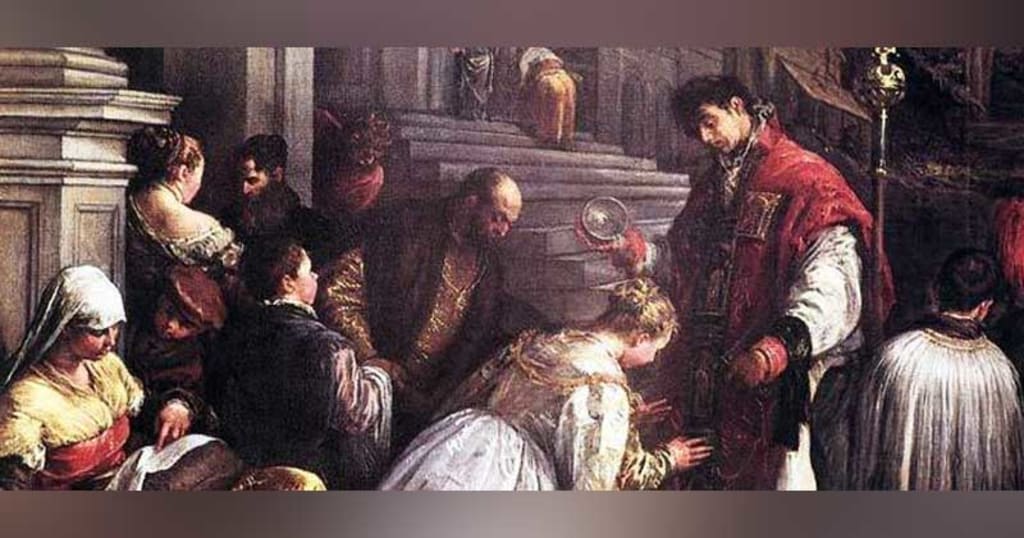
The Christianization of Lupercalia began in the 5th century when Pope Gelasius I declared February 14th as St. Valentine's Day. The exact origins of St. Valentine are shrouded in mystery, as there were multiple martyrs named Valentine who lived during the same period. One popular legend suggests that St. Valentine was a Roman priest who defied Emperor Claudius II's decree forbidding soldiers from marrying and performed weddings in secret. Another legend claims that St. Valentine helped Christians escape harsh Roman prisons, where they were often subjected to torture and persecution.
Romantic Associations:
Despite the ambiguity surrounding St. Valentine's identity, he became associated with love and romance, and his feast day was celebrated with the exchange of handwritten notes and tokens of affection. The association between St. Valentine and romantic love grew stronger in the Middle Ages, with poets like Geoffrey Chaucer and William Shakespeare romanticizing the holiday in their writings. Chaucer's poem "Parlement of Foules" and Shakespeare's play "Hamlet" both reference Valentine's Day as a time for lovers to express their affection. By the 18th century, Valentine's Day had evolved into a day of sentimental gifting and romantic gestures.
Secular Celebration:
In the 18th century, Valentine's Day underwent a transformation in England, becoming a more secular holiday marked by the exchange of cards and gifts. Handmade cards, known as "valentines," became popular during this time, adorned with lace, ribbons, and romantic verses. The tradition of sending valentine cards spread to the United States in the 19th century, where it was further popularized with the advent of mass-produced printed cards. Valentine's Day became increasingly commercialized, with retailers capitalizing on the sale of chocolates, flowers, and other romantic gifts.
Modern-Day Celebration:
Today, Valentine's Day is celebrated worldwide as a day to express love and affection for romantic partners, family members, and friends. While the holiday's romantic connotations remain prominent, it has also become a time to celebrate platonic relationships and friendships. The exchange of cards, flowers, chocolates, and gifts has become a ubiquitous aspect of Valentine's Day, with couples and loved ones expressing their affection in various ways. Restaurants are often fully booked with couples enjoying romantic dinners, while retailers offer special promotions and discounts on Valentine's Day-themed merchandise.
Controversies and Criticisms:
Despite its widespread popularity, Valentine's Day has not been immune to controversy and criticism. Some argue that the holiday has become overly commercialized, with retailers prioritizing profits over genuine expressions of love and affection. Others critique the pressure it places on individuals to conform to societal expectations of romance and gift-giving. Additionally, Valentine's Day can be a source of sadness and loneliness for those who are single or have lost loved ones, prompting discussions about inclusivity and empathy.
Conclusion:
In conclusion, the history of Valentine's Day is a testament to the enduring power of love and romance. From its ancient origins in the pagan festival of Lupercalia to its modern-day celebration as a global holiday, Valentine's Day has undergone significant transformations over the centuries. While its commercialization and controversies may detract from its sentimentality for some, Valentine's Day remains a cherished tradition for many, providing an opportunity to express affection and appreciation for those we hold dear. As we continue to celebrate Valentine's Day each year, let us reflect on its rich history and cultural significance, embracing both its romantic traditions and its potential for inclusivity and empathy.
About the Creator
Jamshaid iqbal
Delve into captivating stories and insightful analyses. Join me on a journey of endless exploration and discovery.
Keep reading
More stories from Jamshaid iqbal and writers in History and other communities.
History of Pakistan
Introduction: The history of Pakistan is a complex narrative shaped by centuries of diverse cultures, colonial rule, and the struggle for independence. From the ancient civilizations of the Indus Valley to the creation of a modern nation-state in 1947, Pakistan's journey has been marked by triumphs, challenges, and a quest for identity. This essay will explore the multifaceted history of Pakistan, tracing its origins, evolution, and the pivotal events that have shaped its trajectory.
By Jamshaid iqbal2 years ago in History
Which Pastoral Dresses Are a Must-Have for Every Minister?
When it comes to leading a congregation, appearance matters as much as heart and spirit. Every minister needs clothing that reflects grace, professionalism, and faith. Pastoral dresses are a perfect choice for women ministers, offering elegance and comfort. In this guide, we’ll explore which styles are essential for any minister and why having the right women’s clerical wear can make a big difference.
By Sameera eclergys6 days ago in History
Alexander the Great’s Body Preservation Method: History, Mystery, and Science
Ancient historians describe Alexander’s corpse as remaining uncorrupted for several days, even weeks, which led many to believe he was divine. The method used to preserve his body has intrigued historians, scientists, and medical scholars for centuries.
By Say the truth a day ago in History




Comments (1)
Fascinating history!