
Hidden Wonders and Deadly Dangers
The Untold Stories of Extreme Cave Exploration
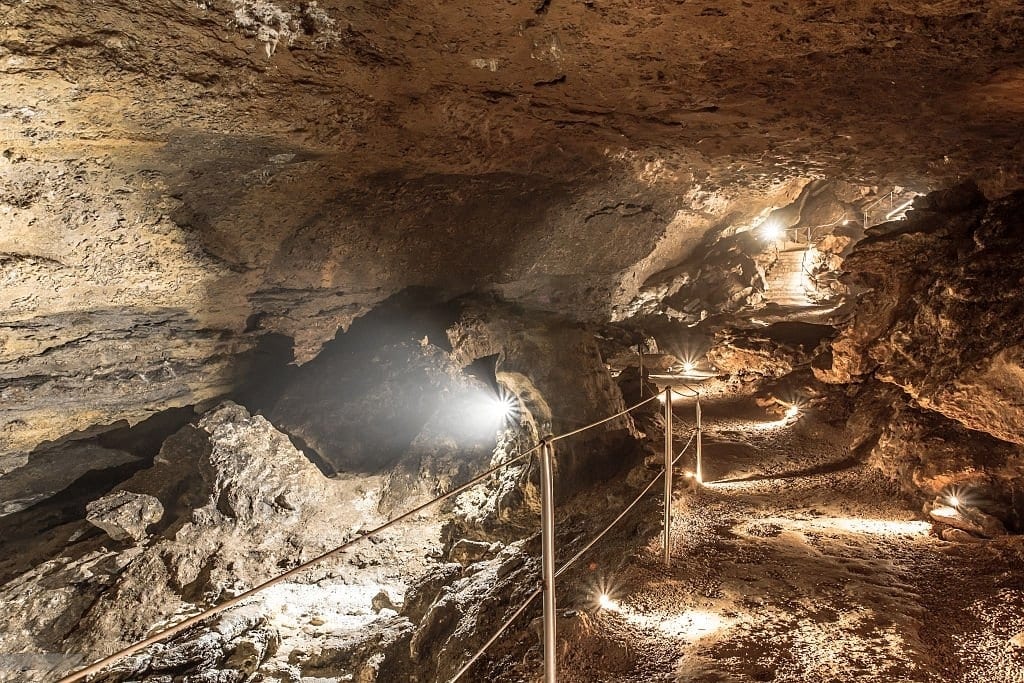
Caving or spelunking, as it is known, is not an activity for the fainthearted. It involves exploring the extremes of cave systems, venturing into the deep where light, space, and breathable air are scarce. Imagine squeezing through tight spaces, maneuvering over jagged rocks in complete darkness. But amidst this daunting experience, you stumble upon a cave adorned with glistening crystals, stretching from floor to ceiling like a sparkling dream.
Let's begin with the mesmerizing Cave of Swords, discovered by miners in Naica, Mexico, back in 1910. This crystal-filled cavern, located 390 feet underground, captivated the miners with its short sparkly minerals lining the walls. Little did they know that Naica lies above an underground magma chamber, which gradually transformed the minerals over thousands of years, resulting in the formation of gypsum crystals. These crystals grew to a length of just over three feet, creating a breathtaking sight within the Cave of Swords.
However, the miners' excitement escalated even further in the year 2000 when they stumbled upon an even more jaw-dropping chamber, 600 feet deeper than the Cave of Swords. This newly discovered cave, named the Cave of Crystals, was flooded and had to be drained to reveal gigantic gypsum beams adorning the walls and floors. These crystals reached a staggering length of 37 feet, weighing up to 55 tons, making them the largest ever discovered.
But entering the Cave of Crystals is no walk in the park. With temperatures reaching a scorching 136 degrees Fahrenheit and humidity levels hitting 99%, the cave poses serious risks. Without proper protection, humans can endure only 10 minutes of exposure at a time. As mining operations ceased in 2015, the cave was reflooded, preserving the majestic crystals and rendering it inaccessible to researchers and visitors.
Now, let's shift our focus to Mount Rainier's Ice Caves in Washington, USA. These icy caverns are formed when meltwater runs through or under a glacier, creating passageways within. Photographer Matthew Nichols captured a stunning phenomenon in one of these seasonal caves: the refraction of sunlight on the glacier's top, producing a mesmerizing rainbow ceiling. While it may be tempting to immerse oneself in this natural masterpiece, ice caves pose significant risks.
With temperatures hovering around a bitter 15 degrees Fahrenheit, extended exposure can lead to hypothermia. Even worse, during warmer months, the caves become prone to collapsing, as chunks of ice the size of small cars break off from the ceiling. In fact, several lives have been lost due to collapses in nearby ice caves. So, while the rainbow display is captivating, it's safer to appreciate it from a distance.
Moving on to Lechuguilla Cave in New Mexico, we encounter a breathtaking subterranean marvel. With thousands of rare geological formations hidden within its 150-mile length and reaching a depth of 1,604 feet, Lechuguilla is considered the most beautiful and well-decorated cavern in the world. Giant gypsum chandeliers, soda straw stalactites, and unique bubble formations stained over thousands of years create an otherworldly ambiance.
However, exploring this wonderland comes with its own set of risks. The humidity levels inside can reach a stifling 100%, preventing sweat from evaporating and cooling the body. Walking through such conditions can lead to exhaustion and dehydration. Additionally, the cave is filled with treacherous drops and ditches, including vertical pits plummeting 300 feet, posing a serious danger even to experienced explorers. The delicate formations within the cave are also vulnerable to damage, and strict conservation efforts are in place to protect this unique underground ecosystem.
One of the most treacherous and challenging cave systems in the world is the Mammoth Cave in Kentucky, USA. It is the longest known cave system globally, with over 400 miles of explored passages. Venturing into Mammoth Cave requires a high level of skill and experience due to its complex maze-like structure and unpredictable conditions.
One of the notable features of Mammoth Cave is the Bottomless Pit, a vertical shaft that descends over 100 feet. Its name is a bit misleading, as the pit does have a bottom, but it appears bottomless when viewed from above due to the darkness and the limited visibility. Crossing the Bottomless Pit requires rappelling techniques and careful navigation to ensure the safety of cavers.
Another perilous section of Mammoth Cave is the Fat Man's Misery, a narrow passage that tests the limits of claustrophobia. It requires cavers to squeeze through tight spaces, sometimes with their bodies contorted and barely enough room to maneuver. The challenge lies not only in physical endurance but also in mental fortitude as darkness surrounds you, and panic can quickly set in.
In addition to the physical challenges, caves can also pose geological risks. Unpredictable cave-ins and collapses can occur, especially in caves with unstable formations or weak ceilings. The constant process of erosion and shifting underground can make caves unstable and dangerous for exploration.
To ensure safety while exploring caves, it is crucial to have proper training, equipment, and guidance from experienced spelunkers. It's also important to respect the natural environment and follow conservation guidelines to preserve these delicate underground wonders for future generations.
Cave exploration offers a unique and awe-inspiring experience for those who are willing to embrace the challenges it presents. The hidden beauty and mysteries that lie beneath the surface of our planet are waiting to be discovered. However, it's important to approach cave exploration with caution, respect, and an understanding of the potential risks involved. Only then can adventurers truly appreciate the extraordinary world that exists beneath our feet.
About the Creator
Keep reading
More stories from Myke & Amy and writers in History and other communities.
Unearthing the Unexpected
The world is full of wonderful surprises. Sometimes, these surprises come in the form of accidental discoveries that leave us amazed and curious. From a rock with an embedded electrical connector to a glowing squirrel, there are countless stories behind everyday innovations that you probably haven't heard of. Join us as we explore some of these weird and unexpected discoveries.
By Myke & Amy3 years ago in History
Aristotle and Alexander: How a Philosopher’s Lessons Helped Shape World History
History often remembers kings, conquerors, and great battles. Yet behind many powerful rulers stand teachers whose ideas quietly shape the future. One of the most famous examples of this relationship is the connection between Aristotle, one of the greatest philosophers in history, and his student Alexander the Great, the young Macedonian king who built one of the largest empires the world had ever seen.
By Irshad Abbasi about 19 hours ago in History




Comments
There are no comments for this story
Be the first to respond and start the conversation.