
Gorée Island Echoes from the Atlantic Shore
Where history whispers through walls of colonial slave legacy.
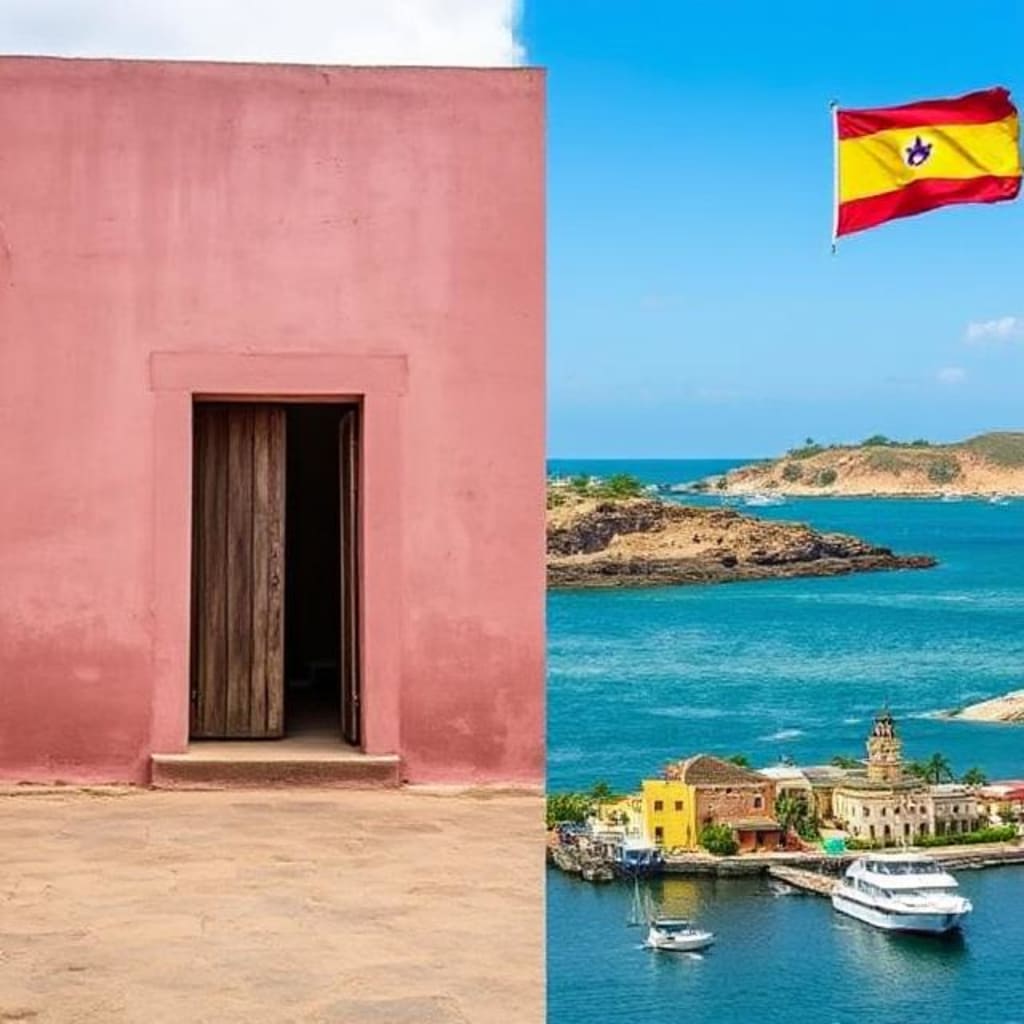
Gorée Island A Historical Testament to Pain and Memory
Nestled just three kilometers off the coast of Dakar, Senegal, lies a small island with a weighty past — Gorée Island. Known for its pastel-colored colonial houses and serene ocean views, the island belies a dark and painful legacy as a major center of the transatlantic slave trade. Despite its modest size, Gorée has become one of the most emotionally powerful places in Africa, drawing visitors from around the world to witness and reflect on its tragic past.
Gorée Island was first discovered by the Portuguese in 1444 and subsequently passed between European colonial powers, including the Dutch, English, and French. Each colonial power left its architectural and cultural imprint on the island, but the French ultimately held it the longest, shaping much of its current appearance. From the 15th to the 19th century, Gorée became a hub for slave trading, acting as a holding station where enslaved Africans were kept before being transported across the Atlantic.
At the center of this history is the infamous Maison des Esclaves — the House of Slaves — built in 1776 by the French. This structure, painted in a striking shade of coral pink, is now a museum and memorial that chronicles the brutal experiences of African men, women, and children who were captured, shackled, and sold into slavery. Perhaps its most iconic feature is the "Door of No Return," a narrow stone doorway that opens directly to the ocean. It symbolizes the final departure point for countless enslaved Africans who would never again see their homeland.
Stepping into the House of Slaves is a sobering experience. The cramped, windowless cells where captives were held contrast sharply with the spacious upper quarters where slave traders once lived. Men, women, and children were kept in separate quarters, often without food or adequate ventilation, for weeks or months. The museum’s curator and guides share heartbreaking accounts of how people were sorted, auctioned, and torn from their families.
Yet, there remains debate among historians regarding the exact scale of slave trade activity that took place specifically on Gorée Island. While some claim that tens of thousands of slaves passed through the island’s ports, others suggest the actual numbers may have been far smaller. Regardless of these figures, Gorée Island has come to symbolize the broader atrocities of slavery and colonial exploitation. It has become a sacred space — a place of remembrance for descendants of enslaved people across the African diaspora.
In 1978, Gorée Island was designated a UNESCO World Heritage Site, underscoring its significance not only to African history but to global heritage. Its preservation has been a priority for Senegalese authorities and international partners, ensuring that future generations can learn from the past. The island’s quiet streets, colonial architecture, and preserved historical buildings provide a unique window into the era of European colonization in West Africa.
Modern Gorée is also a living, breathing community, home to artists, academics, and local families. Art galleries and workshops dot the island, and the local culture is deeply enriched by the memories of the past. Festivals, exhibitions, and memorial ceremonies are held regularly, especially around dates that commemorate the abolition of slavery.
Prominent global figures have visited the island, including Pope John Paul II, Barack Obama, and Nelson Mandela, all of whom described the experience as deeply moving and transformative. For many, visiting Gorée is not just a historical journey — it is a pilgrimage, a confrontation with the injustices of the past, and a reaffirmation of human dignity.
As Senegal continues to grow and modernize, Gorée Island stands still — not as a relic, but as a reminder. A reminder that history must be faced, understood, and remembered. Its still waters, quiet alleys, and sunlit walls do not erase the cries of those who once suffered within them. Instead, they echo those cries across time, inviting reflection, education, and healing.
Gorée Island is more than just a historical site. It is a living memorial, a classroom of conscience, and a voice for those who were silenced. In honoring its past, we find lessons for a more just and compassionate future.
About the Creator
Keep reading
More stories from Mukhtiar Ahmad and writers in History and other communities.
Fort Jesus Stands Guard Over Kenya's Coastline
Fort Jesus – Kenya: A Monument to Power, Conflict, and Cultural Exchange Perched strategically on the edge of the Indian Ocean, overlooking the old harbor of Mombasa, Fort Jesus stands as a silent sentinel to over four centuries of history. Built by the Portuguese between 1593 and 1596, this bastion of European military architecture was designed to protect their interests along the East African coast, a region that had become increasingly vital due to its lucrative trade routes and access to spices, ivory, and slaves.
By Mukhtiar Ahmad8 months ago in History
Hidden Fortune: 100 Kilograms of Gold Discovered in Inherited House
A surprising discovery inside an inherited home has captured widespread attention after authorities confirmed that approximately 100 kilograms of gold were found hidden within the property. The unexpected find, which is worth millions of dollars at current market prices, has sparked intrigue, legal debates, and speculation about how such a large treasure remained concealed for so long.
By Irshad Abbasi 2 days ago in History


Comments
There are no comments for this story
Be the first to respond and start the conversation.