
Go Along-Hair Ties
A Unique Punishment to Mend Relationships

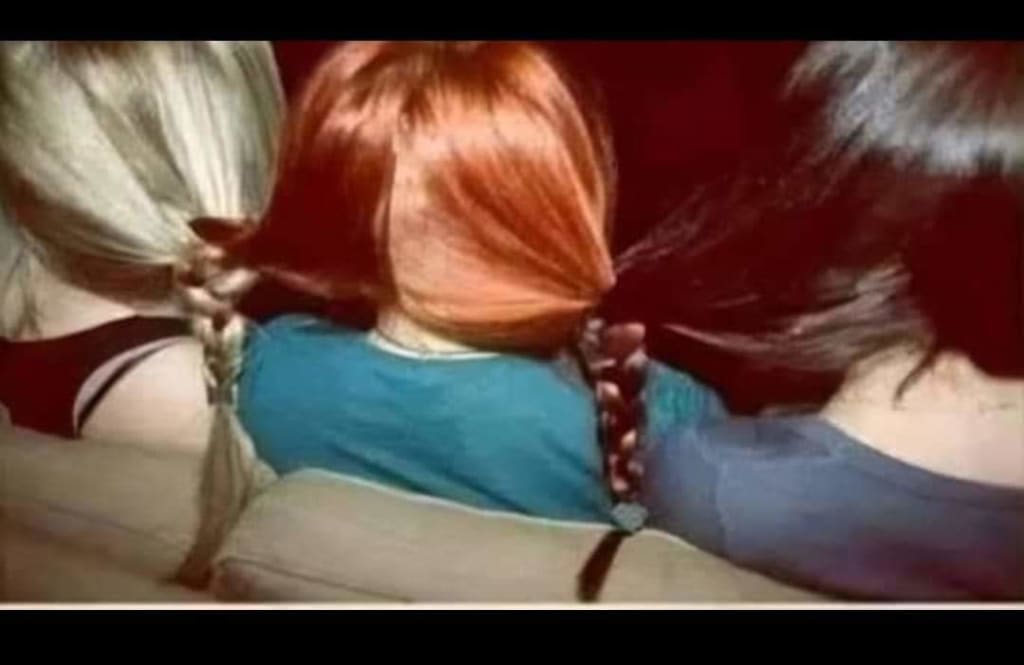
"Go Along Hair Ties" – A Unique Punishment to Mend Relationships
In the old days, a fascinating tradition was practised in some Spanish families to resolve fights between siblings, especially sisters. This simple yet creative method helped them learn to get along better. Let us dive into the details of this unique tradition, its purpose, and how it worked.
What Was the Punishment?
When sisters fought or argued with each other, the mother would take an unusual approach to settle their disputes. She would braid their hair into long plaits and then tie their braids together, forcing them to stay connected physically. This way, they had no choice but to sit together and work out their differences.
This practice, called "go along hair ties," was not meant to hurt or embarrass them. Instead, it encouraged the sisters to communicate and understand each other better.
How Did It Work?
1. The Mother’s Role:
Whenever sisters would quarrel or hit each other, the mother would step in as the mediator. Instead of scolding or punishing them harshly, she used a method that required teamwork.
2. Braiding and Tying:
She would braid their hair into neat plaits and tie the ends of their braids together, creating a physical bond between them.
3. Staying Together:
While their hair was tied, the sisters were forced to sit next to each other. They couldn’t move far apart or ignore one another.
4. Resolving Conflicts:
The mother would not untie their hair until she could hear them laughing, talking, or enjoying each other’s company again. This ensured that the punishment ended only when the quarrel turned into reconciliation.
Purpose of the Punishment
The purpose of this unique method was not to humiliate or make the sisters feel bad. Instead, it was a way to:
Encourage Communication: The tied hair made it impossible for the sisters to avoid one another. They had to talk, share their feelings, and understand each other’s perspective.
Strengthen Bonds: By resolving their differences, the sisters developed a stronger connection and learned the importance of maintaining a peaceful relationship.
Promote Forgiveness: This approach taught the sisters that fights and disagreements are a natural part of relationships but can be resolved through patience and understanding.
When Did the Mother Untie Their Hair?
The punishment didn’t last forever. The mother kept a close watch on her daughters. She would listen for the sound of laughter or happy conversations between them. Only when she felt they had genuinely resolved their issues and were enjoying each other’s company again did she untie their hair.
This ensured that the punishment had a positive outcome and left the sisters in a better mood than before.
The Moral Behind the Tradition
The "go along hair ties" technique holds an important lesson for all of us:
1. Relationships Require Effort: Whether it’s between siblings, friends, or anyone else, relationships need time, communication, and forgiveness to grow stronger.
2. Creative Solutions Work: Instead of using harsh words or punishments, sometimes a simple, thoughtful approach can be more effective in resolving conflicts.
3. Family Unity Matters: The tradition highlights the importance of keeping family bonds strong, even during disagreements.
Why Was This Tradition Special?
This unique Spanish custom is a reminder of the wisdom of older generations. They knew how to handle conflicts in ways that didn’t create further resentment. Instead of punishing children harshly, they used methods that encouraged love and understanding.
Even though such traditions may seem old-fashioned today, their essence remains relevant. The idea of solving disputes with patience, creativity, and kindness is something we can all learn from.
Conclusion
The "go along hair ties" tradition may sound amusing at first, but it carries a deep and meaningful lesson about family, forgiveness, and strengthening relationships. It shows that even simple methods can bring about big changes in how we understand and care for each other.
In a world full of conflicts, perhaps we can revisit such thoughtful and creative practices to build harmony in our own relationships.
About the Creator
Muhammad Waseem
Be the part of what I write !
Be the part of what I envision!
Appreciate the writ-ups , not me !
Love you all 😊
Keep reading
More stories from Muhammad Waseem and writers in History and other communities.
The Mystery of the Pingyan Giant Footprint: Fact or Fiction?
For centuries, people have been fascinated by stories of giants. Different cultures have shared legends about huge human-like beings, like the Titans in Greek myths or the Nephilim in the Bible. These stories have sparked our imagination and curiosity. But finding real evidence of giants has always been challenging and controversial. This changed for some people when a massive footprint was discovered in the remote village of Pingyan, China, sparking debates about whether it could be proof of giants.
By Muhammad Waseem about a year ago in History
The Hijaz Railway: Why the Ottoman Empire’s Grand Vision to Unite Muslims Was Left Abandoned
In the early twentieth century, the Ottoman Empire launched one of the most ambitious infrastructure projects in the Muslim world: the Hijaz Railway. Conceived as both a symbol of Islamic unity and a practical solution to improve travel for pilgrims heading to Mecca, the railway represented the Ottoman Sultan’s vision of connecting distant Muslim lands. Yet, despite its promise and initial success, the project was ultimately left abandoned due to war, rebellion, and the collapse of the empire itself.
By Irshad Abbasi 3 days ago in History



Comments (1)
Beautifully written💣❤️