
Ghazi Aman Ullah Khan The Liberator of Afghanistan
Ghazi Aman Ullah Khan the hero of independence and Promotion..

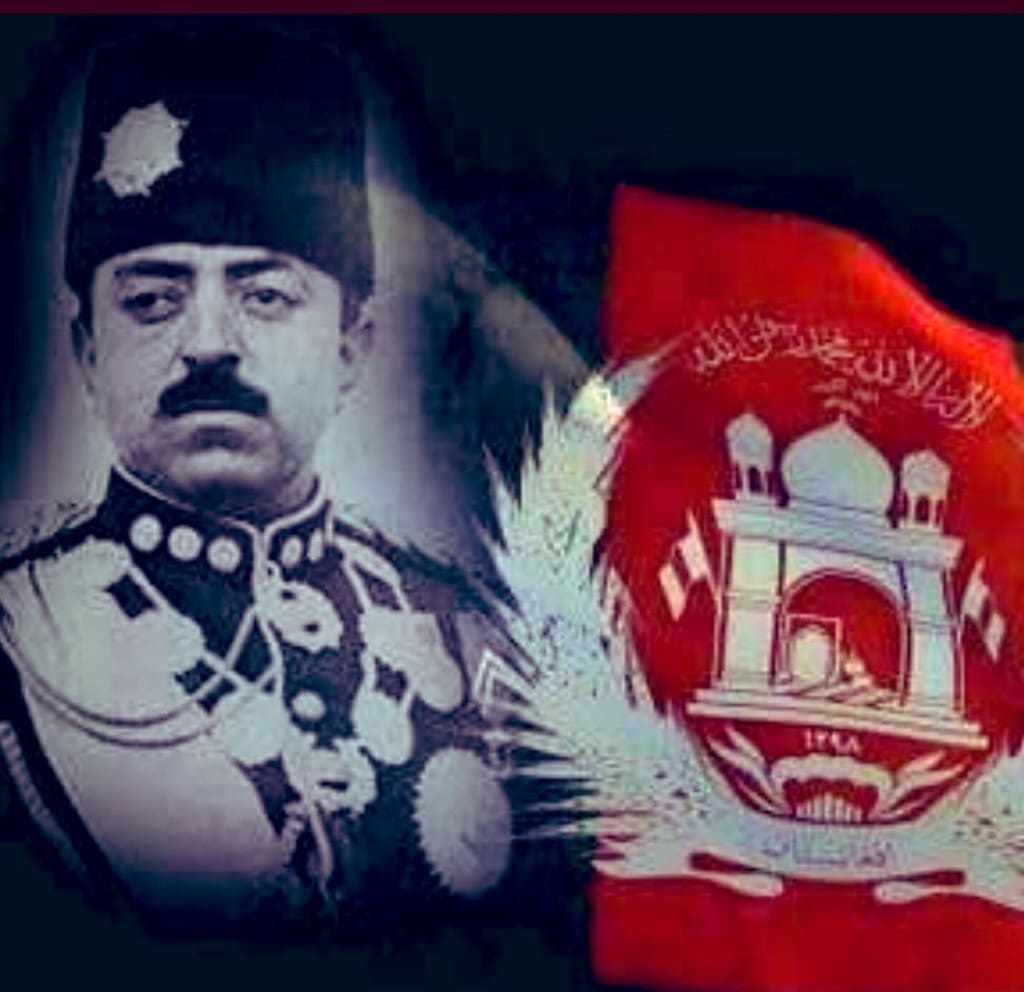
The Story of Ghazi Amanullah Khan – The Liberator of Afghanistan
Let me tell you the inspiring story of Ghazi Amanullah Khan, the man who dared to dream of a free and modern Afghanistan—a king, a warrior, and a reformer whose legacy still echoes in Afghan history.
Amanullah Khan was born in 1892 in Paghman, near Kabul, into the royal family of Afghanistan. His father, Amir Habibullah Khan, was the ruler of the country, and Amanullah was raised in the royal court. From a young age, he was passionate about education, freedom, and justice. He studied Afghan culture, Islamic teachings, and the Western world, and he began to develop a vision for an independent and strong Afghanistan.
When his father was assassinated in 1919, Amanullah seized power in Kabul. He was just 27 years old. Almost immediately, he made a bold declaration—Afghanistan is a free and independent nation. At that time, British India still controlled Afghanistan’s foreign affairs. But Amanullah was not afraid. He believed that Afghans deserved full independence. This led to the famous Third Anglo-Afghan War.
In 1919, Ghazi Amanullah Khan led Afghan forces against the British Empire. It was a short but fierce war. Though outgunned and outnumbered, Afghan warriors showed great courage. And finally, after just a few months of fighting, the British signed the Treaty of Rawalpindi, officially recognizing Afghanistan’s independence. That’s why we call him "Ghazi"—a title of honor for a warrior who defends his nation and faith.
But Amanullah Khan didn’t stop there. With freedom achieved, he turned to reform. He wanted to modernize Afghanistan, just like Turkey under Atatürk and Iran under Reza Shah. He traveled to Europe with his queen, Soraya, visiting countries like France, Germany, and Italy. When he returned, he began a bold mission of change.
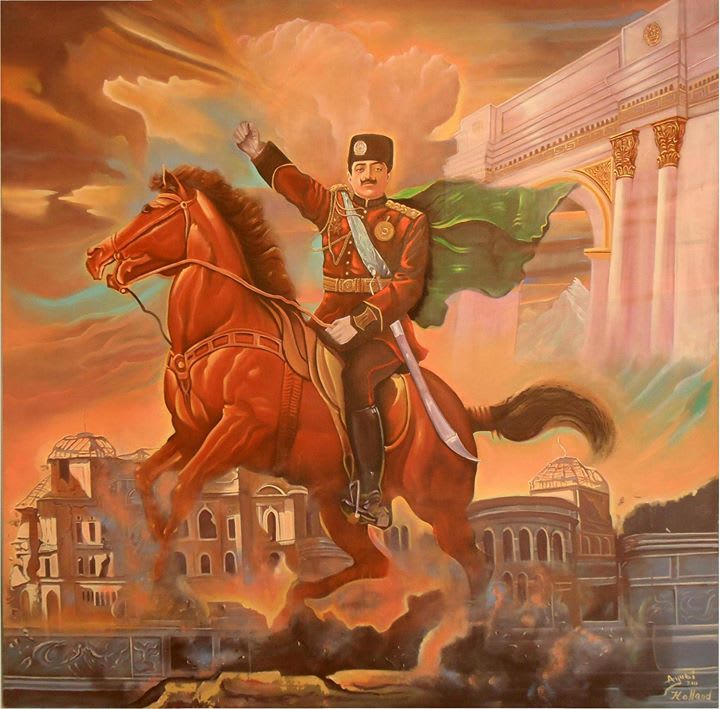
He opened schools for boys and girls. He promoted education, women’s rights, and legal reforms. He built new roads, introduced a constitution, and limited the power of tribal chiefs and religious leaders. He dreamed of a united, educated, and advanced Afghanistan.
But change came too fast for some. Many tribal leaders and conservative scholars saw his reforms as a threat to traditional values. His queen, Soraya, who appeared in public without a veil and supported women’s education, became a symbol of the cultural shift. Resistance began to grow, especially in the rural areas.
In 1924, a major rebellion broke out in Khost province. Amanullah crushed it, but unrest didn’t stop. Enemies spread propaganda, and the British, fearing a powerful Afghanistan, may have supported some of the resistance. Finally, in 1929, a rebel leader named Habibullah Kalakani, also known as Bacha-e-Saqao, marched into Kabul. Amanullah Khan tried to fight back but eventually stepped down to prevent more bloodshed. He handed power to his brother and left the country.
Amanullah Khan spent the rest of his life in exile, mostly in Italy and Switzerland. He never gave up on his dream for Afghanistan. He passed away in 1960 in Zurich, and his body was brought back to Afghanistan, where he was buried in Jalalabad.
Even though his reign was short, from 1919 to 1929, his legacy remains powerful. He gave Afghans their independence. He introduced a constitution. He pushed for justice, education, and unity. And most of all, he taught us that a nation can stand tall with courage and vision.
Today, many Afghans honor Ghazi Amanullah Khan as a national hero—a symbol of pride, progress, and patriotism. His palace, Darul Aman, still stands near Kabul as a reminder of his dream: an Afghanistan that is free, educated, and respected in the world....
About the Creator
Ihsas Feeling
I'm a writer writing information about technology. Discovery. history .Etc....Sta
Keep reading
More stories from Ihsas Feeling and writers in History and other communities.
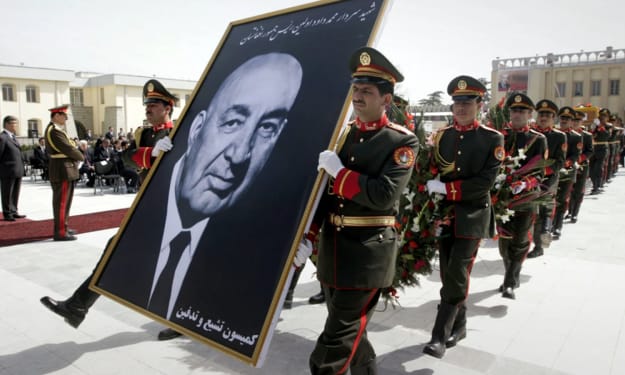
Sardar Mohammed Daoud Khan: The Visionary President of Afghanistan
Sardar Mohammed Daoud Khan: The Visionary President of Afghanistan Sardar Mohammed Daoud Khan, born on July 18, 1909, in Kabul, was a bold and visionary leader who played a key role in shaping modern Afghanistan. Belonging to the royal Barakzai dynasty, he was the cousin and brother-in-law of King Mohammed Zahir Shah. Educated in Kabul and trained in military science, Daoud Khan began his political career in the 1930s and quickly rose through the ranks due to his strong leadership skills and determination.
By Ihsas Feeling 10 months ago in History
Birthplace of the Buddha Threatened by Rising Air Pollution
Lumbini, located in the southern plains of Nepal near the border with India, is one of the most sacred sites in the world for Buddhists. It is widely recognized as the birthplace of Gautama Buddha, the founder of Buddhism who lived more than 2,500 years ago. The site, centered around the Maya Devi Temple and its surrounding sacred garden, attracts hundreds of thousands of pilgrims and tourists every year. However, this historically and spiritually significant location is now facing an alarming threat: increasing air pollution.
By Irshad Abbasi a day ago in History
The Forsyth House Fire
Since 1851, Forsyth House has stood on the corner of Union Street and Gordon Street in the heart of Glasgow. Its iconic, or was... because on Sunday 8th of March, 2026, a fire broke out in a small, seemingly un-named shop in the building and tore all that history down. As I write, the rubble is still unsettled and the street is still blocked off. Central Station is quiet on the upper level, and around 30 small businesses have quite literally gone up in smoke.
By S. A. Crawford2 days ago in The Swamp


Comments
There are no comments for this story
Be the first to respond and start the conversation.