
George Washington: The Founding Father who Forged a Nation
The Indispensable Leadership and Enduring Legacy of America's First President
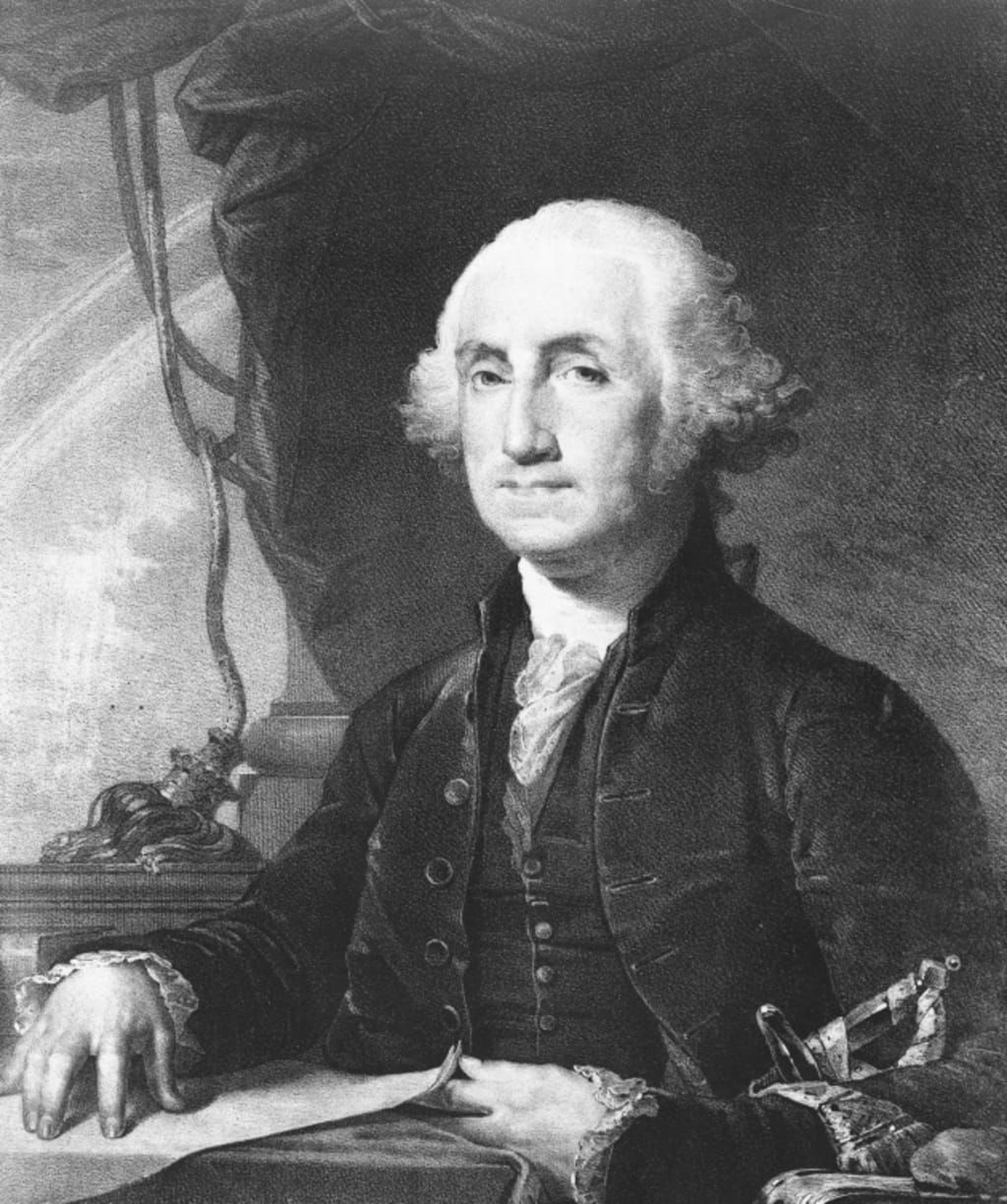
Introduction:
George Washington, often referred to as the "Father of His Country," played a pivotal role in shaping the United States of America as we know it today. Serving as the nation's first president from 1789 to 1797, Washington's leadership, integrity, and unwavering commitment to democratic principles set a standard that subsequent leaders would strive to emulate. This article delves into the life and accomplishments of George Washington, highlighting his pivotal role in the American Revolution, his contributions as president, and his enduring legacy.
Early Life and Military Career:
Born on February 22, 1732, in Westmoreland County, Virginia, George Washington's early life was marked by modest circumstances and a strong sense of duty. He received a basic education and developed a passion for land surveying. Washington's military career began during the French and Indian War, where he gained valuable experience and emerged as a respected leader.
The Revolutionary War and Leadership:
Washington's pivotal role in the American Revolution solidified his place in history. In 1775, he was appointed commander-in-chief of the Continental Army, leading the colonies in their fight for independence against the British Empire. Despite facing numerous challenges, including supply shortages and a poorly equipped army, Washington's leadership, strategic brilliance, and ability to rally his troops proved instrumental in securing victory.
Washington's perseverance during the harsh winter at Valley Forge and his pivotal victories at Trenton and Yorktown bolstered the morale of the American forces. His decision to step down as commander-in-chief after the war was won further demonstrated his commitment to a civilian-led government, setting a precedent for future leaders.
Presidency and Founding Principles:
In 1787, Washington presided over the Constitutional Convention, where the United States Constitution was drafted. His influence and guidance were crucial in shaping the structure of the new government. Elected as the nation's first president in 1789, Washington set important precedents for the executive branch's functioning.
During his presidency, Washington prioritized national unity, economic stability, and the establishment of a strong federal government. He faced numerous challenges, including the Whiskey Rebellion, which he deftly handled, demonstrating his commitment to upholding the rule of law and the authority of the federal government.
Washington's Farewell Address, delivered at the end of his second term, emphasized the importance of maintaining unity, avoiding political factions, and steering clear of foreign entanglements. His wise counsel and emphasis on civic virtue continue to resonate in American political discourse.
Legacy and Influence:
George Washington's legacy is unparalleled in American history. His leadership during the American Revolution and his principled governance as president set a high standard for future leaders. Washington's decision to voluntarily step down after two terms established a peaceful transition of power and solidified the principle of presidential term limits.
His character and integrity became the bedrock of the American presidency, and his face adorns the one-dollar bill and Mount Rushmore, further immortalizing his contribution to the nation's history. Washington's commitment to the ideals of liberty, democracy, and the rule of law remains an enduring inspiration for generations to come.
Introduction:
George Washington, often referred to as the "Father of His Country," played a pivotal role in shaping the United States of America as we know it today. Serving as the nation's first president from 1789 to 1797, Washington's leadership, integrity, and unwavering commitment to democratic principles set a standard that subsequent leaders would strive to emulate. This article delves into the life and accomplishments of George Washington, highlighting his pivotal role in the American Revolution, his contributions as president, and his enduring legacy.
Early Life and Military Career:
Born on February 22, 1732, in Westmoreland County, Virginia, George Washington's early life was marked by modest circumstances and a strong sense of duty. He received a basic education and developed a passion for land surveying. Washington's military career began during the French and Indian War, where he gained valuable experience and emerged as a respected leader.
The Revolutionary War and Leadership:
Washington's pivotal role in the American Revolution solidified his place in history. In 1775, he was appointed commander-in-chief of the Continental Army, leading the colonies in their fight for independence against the British Empire. Despite facing numerous challenges, including supply shortages and a poorly equipped army, Washington's leadership, strategic brilliance, and ability to rally his troops proved instrumental in securing victory.
Washington's perseverance during the harsh winter at Valley Forge and his pivotal victories at Trenton and Yorktown bolstered the morale of the American forces. His decision to step down as commander-in-chief after the war was won further demonstrated his commitment to a civilian-led government, setting a precedent for future leaders.
Presidency and Founding Principles:
In 1787, Washington presided over the Constitutional Convention, where the United States Constitution was drafted. His influence and guidance were crucial in shaping the structure of the new government. Elected as the nation's first president in 1789, Washington set important precedents for the executive branch's functioning.
During his presidency, Washington prioritized national unity, economic stability, and the establishment of a strong federal government. He faced numerous challenges, including the Whiskey Rebellion, which he deftly handled, demonstrating his commitment to upholding the rule of law and the authority of the federal government.
Washington's Farewell Address, delivered at the end of his second term, emphasized the importance of maintaining unity, avoiding political factions, and steering clear of foreign entanglements. His wise counsel and emphasis on civic virtue continue to resonate in American political discourse.
Legacy and Influence:
George Washington's legacy is unparalleled in American history. His leadership during the American Revolution and his principled governance as president set a high standard for future leaders. Washington's decision to voluntarily step down after two terms established a peaceful transition of power and solidified the principle of presidential term limits.
His character and integrity became the bedrock of the American presidency, and his face adorns the one-dollar bill and Mount Rushmore, further immortalizing his contribution to the nation's history. Washington's commitment to the ideals of liberty, democracy, and the rule of law remains an enduring inspiration for generations to come.
About the Creator
Why Early Aircraft Designs Failed Before They Ever Flew
Long before airplanes became symbols of speed and global connection, flight was an idea filled with uncertainty, ambition, and repeated disappointment. Early aircraft designers were driven by a powerful belief that humans could conquer the skies, yet many of their creations never made it past workshops, fields, or testing grounds. These failures were not accidents of carelessness; they were the result of a world still learning the rules of flight.
By Beckett Dowhan5 days ago in History
3 Times Ordinary Objects Did Something Deeply Unsettling
Objects surround us every day. They make life easier, more comfortable, or more entertaining. A chair supports us, a mirror shows us our reflection, and a toaster browns our bread with consistent reliability. Most of the time, they behave exactly as expected.
By Enoch Sagini3 days ago in History




Comments
There are no comments for this story
Be the first to respond and start the conversation.