
Forgotten History: The Siege of Jadotville
Congo Crisis 1960-1964

In the early 1900’s while Europe’s strongest countries were in a scramble to see who could colonize Africa the fastest, Belgium would end up with more than you would expect. The small, linguistically confused country colonized Ruanda-Urundi in 1922-1962 later becoming Rwanda and Burundi, the Lado Enclave from 1884-1910 which is now the Central Equatoria province in South Sudan. The colony of The Belgian Congo lasted from 1908 to 1960 up until the people wanted independence, it would then be known as Republic of the Congo or Leopoldville up until 1964. (For this article I will be shortening the name to “RC.” Or “The RC.”) This would be the beginning of what we know now as the Democratic Republic of the Congo. The RC’s battle for independence would be a long and extremely confusing one. From rebels with black market weapons fighting for control of the mineral rich country’s mines, to the Belgian army beefing up their presence, UN troops from all over the world, and deployment of some of France’s most decorated and seasoned Legionnaires. In this story, I will be digging up information that some wanted to stay hidden and give credit to the men who fought valiantly whether or not they had the means to. This is the story of the Siege of Jadotville.
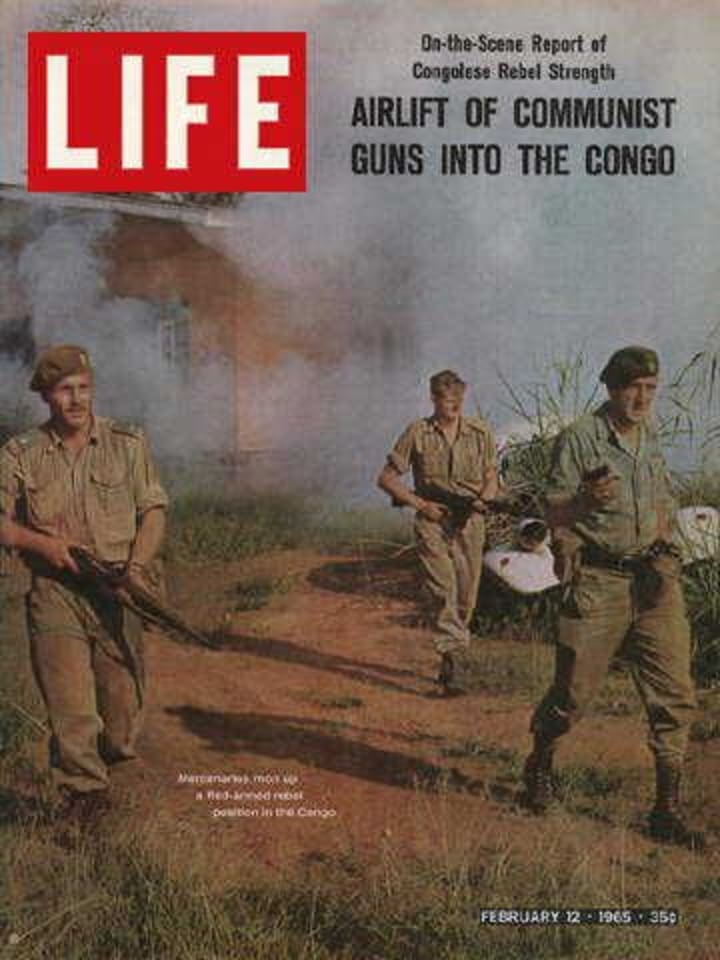
Colonizations end in the RC.
The decolonization of Sub-Saharan Africa spanning close to 20 years, would bring many proxy wars between the USA and the Soviet Union throughout most of the newly independent nations. The first of these wars would take place in the RC. As Independence Day was arriving for the RC, the Congolese people elected a president by the name of Joseph Kasa-vubu, and Prime Minister Patrice Lumumba who would work closely with the President until his abduction and assassination by enemy forces who had direct support from Belgium and indirect support from the CIA. They would also elect a senate and an assembly which would be done throughout the RC’s 26 provinces. Eisenhower had high hopes that the newly established government would uplift the country into becoming a stable pro-west nation. DDE would lose all hope as the RC would soon break out in the familiar chaos it had seen many times before. The same chaos that it is facing to this day. Army men or, Force Publique at the Thysville military base would rise up against their white Belgian commanding officers demanding higher pay, more authority, and greater opportunity within the forces.

The actions in Thysville would quickly gain traction and had struck a chord with servicemen all over the country, thus erupting into a war against the RC’s colonial rulers. Many Belgians and other Europeans fled the country as news of violence and cruelty against whites in every corner of the country would spread rapidly. In a panicked attempt to restore some kind of order and sanity, Belgium would send troops into the RC as a last-ditch effort without permission from parliament, leading to the Congolese making an appeal directly to the United Nations. The UN would call for the removal of Belgian troops and deploy some of their own from India, Ireland, and Sweden. On July 11th, the mineral rich province of Katanga would declare independence, followed by the South Kasai Province the next month.
Katanga.
The southern province of Katanga borders Angola to the west, Lake Tanganyika to the east, and Angola to the south. Katanga is most well known for being the country's mineral and metal hub, being extremely rich in silver, gold, coal, copper, cadmium, germanium, tin, uranium, cobalt, zinc, manganese, and iron. The province’s wide range of resources had been used by the people of the RC long before European settlers arrived.
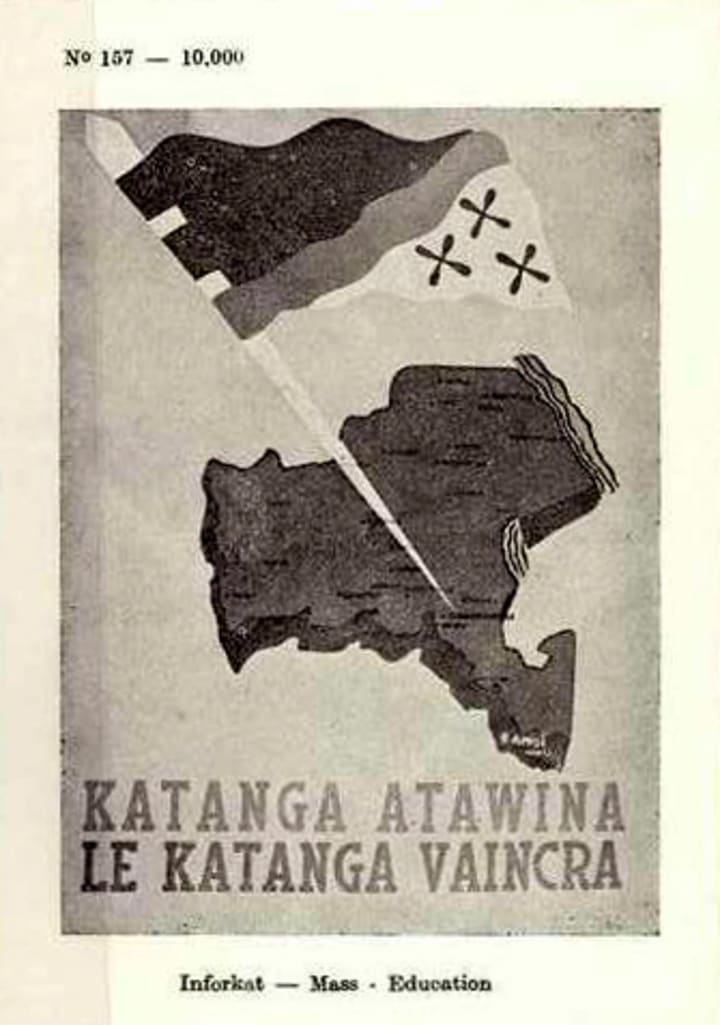
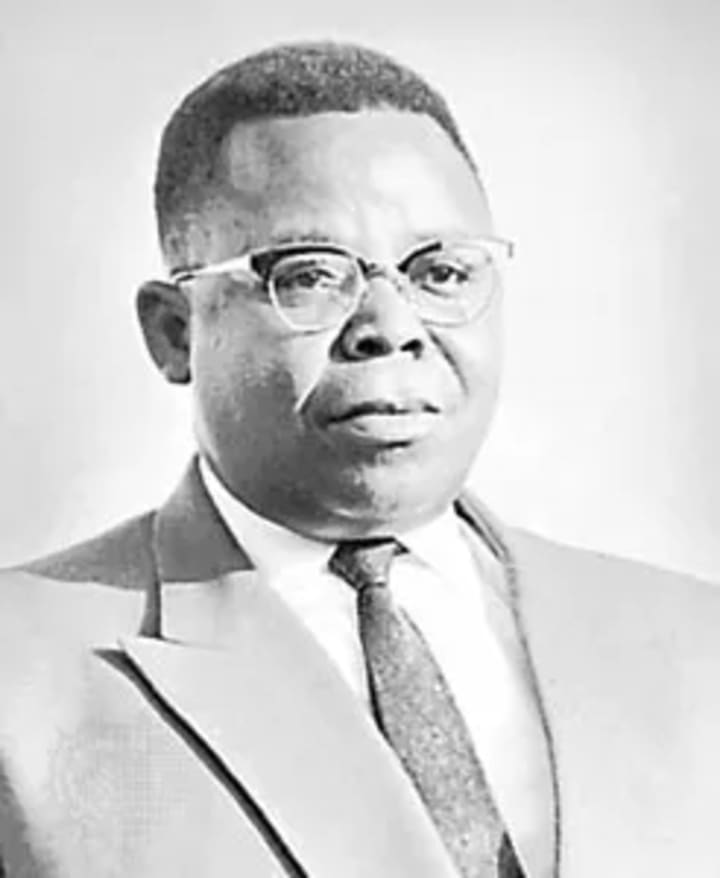
Other industries that flourish in the region include growing crops like cotton, corn, tobacco, and vegetables along with livestock herding which saw an increased demand once the Europeans established a presence due to their meat rich diets. Since 1900, southern RC saw rapid industrialization and a growing mining, transportation, and communications complex quickly making it the most wealthy part of the entire country. Following the RC’s independence in 1960, a local politician by the name of Moise Tshombe would fight for the province's separation from the RC and strive for Katangan independence and backed by major foreign mining companies, he would eventually succeed. Leading to a state of confusion and ultimately bloodshed of Katangan, Belgian, and UN troops.

An independent Katanga would mean internalized wealth for Tshombe and his circle of trust as the RC would have to import most of their valuable resources from Katanga. Along with a free for all when it came to mining operations. Anyone who had enough to pay, had enough to play. During the time United Nations troops spent on RC soil they were under the command of one Conor Cruise O’Brien, an Irishman who answered to Dag Hammarskjold, the UN secretary general during at the time of the Congo Crisis. After Katanga would declare autonomy, a race against Tshombe would ensue as Tshombe and his men were attempting to overthrow the elected government in the RC. This would be the beginning of what is known as Operation Morthor. Commencing on September 13th, UN forces would be ordered by O’Brien to capture and hold key government buildings in the Katangan capital of Elisabetville.
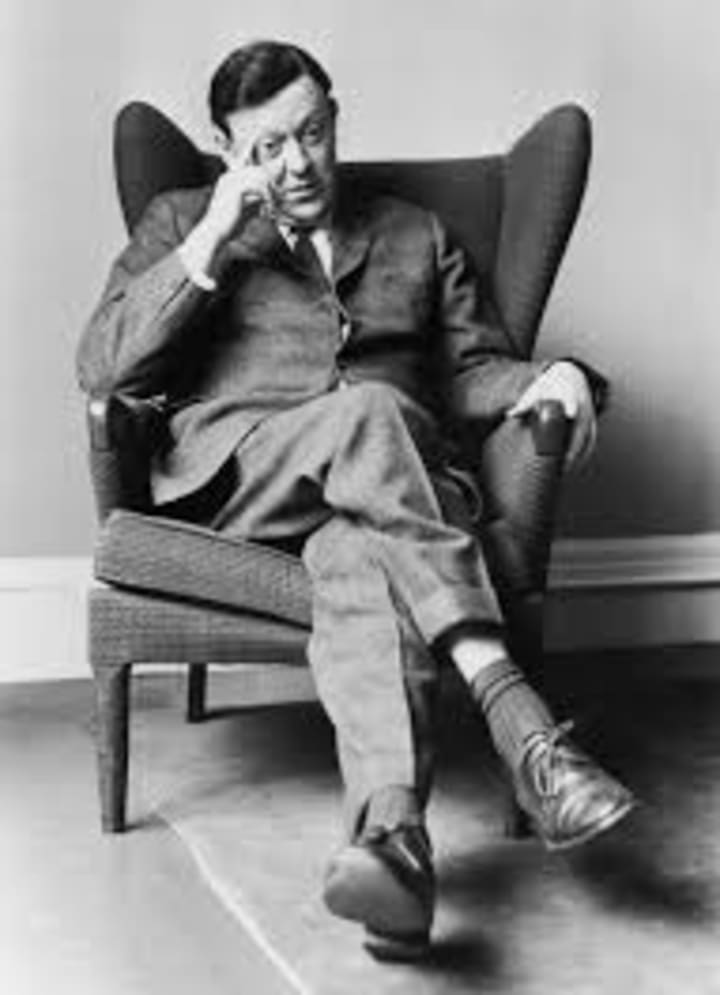
Peacekeepers fought for 8 days against Tshombe’s Gendarmerie soldiers, a paramilitary group composed of paid mercenaries, volunteer mercenaries, tribesmen, and Belgian settlers at the Radio Katanga building. Indian general Ashish Raja of the United Nations would adjudicate the death of thirty people after armed gunmen were said to have been seen running into the building, Raja decided they could not risk the armed men running out. Troops under Raja’s command would throw grenades into the building in an attempt to eliminate the threat. The decision would lead to the death of thirty unarmed civilians inside. Afraid this mishap would be heard at UN headquarters and around Africa, O’Brien ordered it be covered up and pinned the blame on mercenaries. Tshombe would gain knowledge of the incident and cut off any and Europe’s negotiations with Hammarskjold and the United Nations entirely. This would lead to Tshombe’s men pushing harder to gain control of the entire province by way of firepower and even more mercenaries.

The Siege of Jadotville.
Tshombe’s men would push further south toward the Shinkolobwe uranium mine, the same mine that produced all the uranium used for the bombs dropped on Hiroshima and Nagasaki. The only thing stopping Tshombe was a fraction of the Irish Army’s 35th battalion or A company. A unit of 155 Irishmen, yet not one soldier of the 35th had a single second of combat experience. The United Nations reason for deploying the Irishmen was because Ireland is a neutral country (since 1939) giving no WWII veteran mercenary or hostile civilian any reason to attack the men unprovoked due to past experiences or personal bias.

Stationed in a small compound near Jadotville (present day Linkasi) some weeks earlier, the 35th were tasked with protecting the town as Jadotville was home to a rather large population of Belgian settlers. Upon arrival, the men noticed several insecurities in the compound as it was located in a valley hundreds of meters away from the nearest tree line, surrounded by tall grass, and a mountain behind it with a tree line for enemy cover. Commandant Pat Quinlan, the leader of the 35th, immediately had words to say to O’Brien and the Irish officer in Elisabethville, Captain Liam Donnelly about the surroundings. With no advice in the response from headquarters, Quinlan ordered his men to dig trenches and fox holes immediately. Shortly after, they would head into Jadotville to stock up on a truck full of supplies, they would be warned by the shopkeeper that there were many mercenaries, Katangans, and even Belgians who were not happy about their arrival. On September 5th, Katangan forces would start building roadblocks and placing obstacles in the roads making the 35th’s compound inaccessible by possible future reinforcements. In response, Quinlan ordered his men to dig more trenches and foxholes. On September 9th, Quinlan would call UN headquarters and demand to either have himself and his men removed from the compound, or have more resources sent due to the situation beginning to intensify.
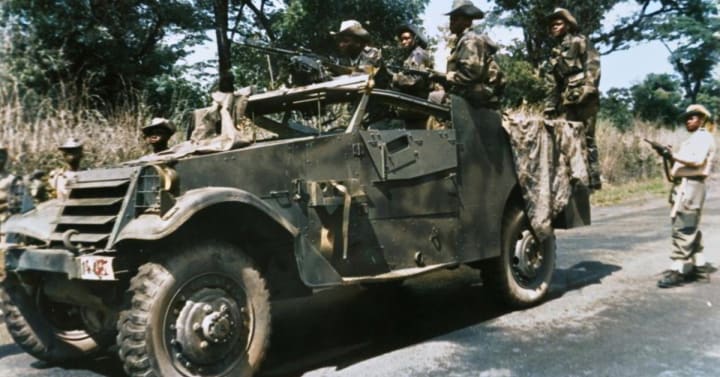
After a second call on September 11th, Quinlan and the 35th would be met with nil due to most manpower and resources being stationed in Elisabethville also taking part in Operation Morthor. Quinlan and his men quickly realized they were in this fight together, yet alone. September 12th was a day of unease as officers of the Gendarmerie were seen spotting the Irish position and movements multiple times throughout the day. The enemy knew the men had no combat experience and felt as though they had the upper hand being that officers of the Gendarmerie were French, German, South African, and Rhodesian veterans of the Algerian War. During the Siege of Jadotville, Gendarmerie were led by one of France’s most decorated soldiers, Roger Louis Faulques. Roger, also known as Rene Faulques was a German born French paratrooper who had a lengthy resume consisting of 20 years of combat experience stemming from 7 conflicts. Serving in the French army for 5, and as a mercenary for 2. Falques would do his part in WWII as a Maquis resistance fighter in 1944, later joining the French First Army and at the age of 20, he would receive a Croix De Guerre for his bravery and commanding nature. Faulques would then go on to serve in the First Indochina War, the Suez Crisis, the Algerian War, the Congo Crisis, North Yemen Civil War, and the Nigerian Civil War. It comes as no surprise that he would be nicknamed “L’homme aux milles vies” or “The man of a thousand lives.”
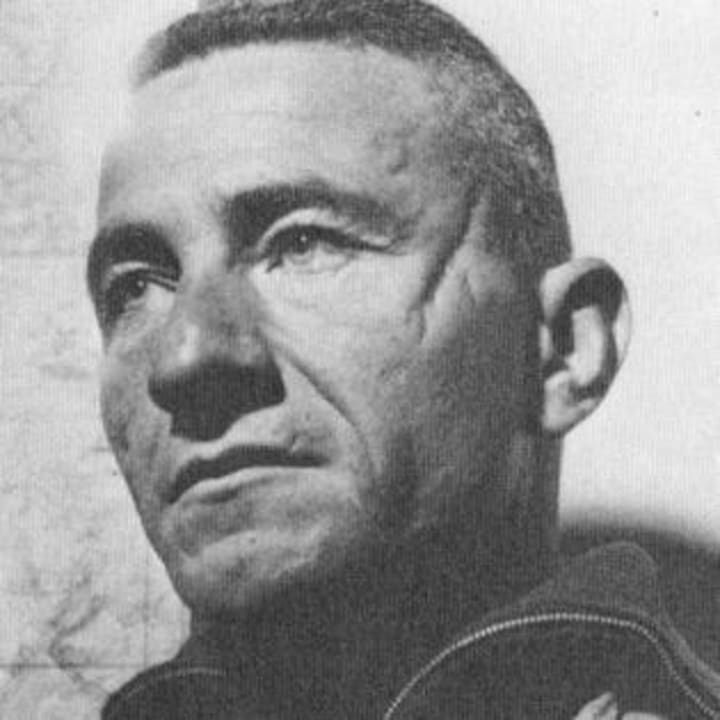
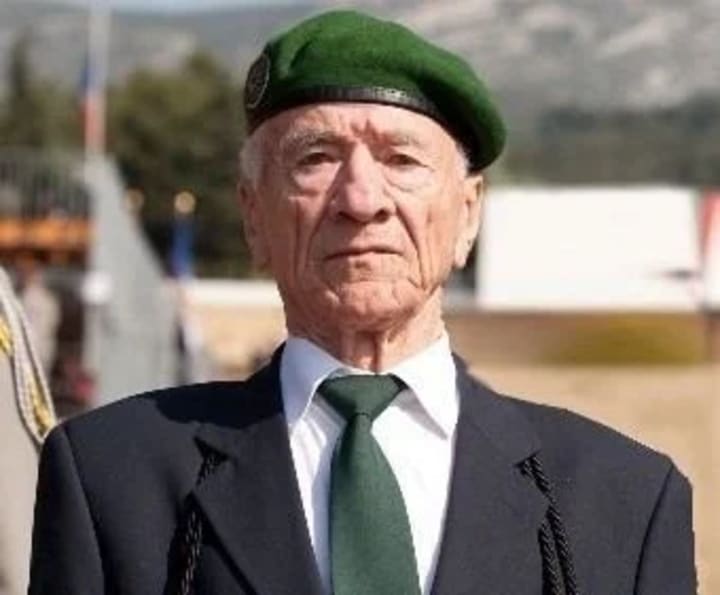
On Wednesday September 13th, 1961 Faulques and his men would rendezvous at the tree line looking straight at the 35th’s compound. Quinlan had ordered his men to carry their weapons at all times, but as they were all attending mass (there was an old church located in the compound) they laid their rifles and packs down outside the church. Only a single man was keeping watch that day, a young sniper by the name of Billy Ready. Ready tried to yell to the others to get their attention but the doors to the church were closed and the others were unable to hear. With enemies closing in quickly, running out of time and options, Ready loads his bolt action WWII era sniper-designated Lee Enfield number 4 Mk 1 rifle and fires multiple shots at the cast iron bell erected in the center of the compound, this gains the attention of the others putting an abrupt end to Wednesday mass. While outnumbered and outgunned, the inexperienced Irish had no hesitation when it came to making lead fly. The Gendarmerie had a force of anywhere from 3000-5000 men, they would attack in waves consisting of anywhere from 300-600. Along with artillery support, heavy machine guns, and even a Belgian made Fouga Magister light fighter jet equipped with 2 7.5mm blowback machine guns and a pair of under wing bombs. The Irish were a force of 155, many of the weapons in their arsenal consisted of WWII era bolt action rifles, water cooled Vickers machine guns, SMLE’s, Bren guns, Gustaf submachine guns, 60mm mortars, and 2 Irish built Ford armoured vehicles with one Vickers mounted on each.
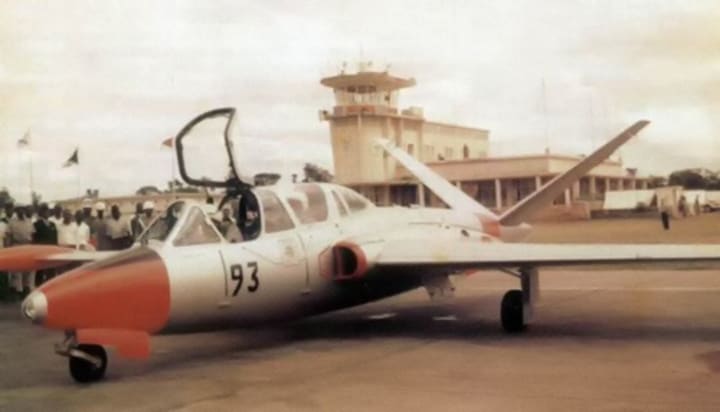
Throughout the next three days, there would be multiple assaults by the Gendarmerie but in surprising fashion, were held off by the Irish every time. Quinlan and Faulques met in no man’s land where the Gendarmerie commamder would be shocked, yet commend Quinlan’s refusal to surrender. The Irish even managed to observe where the mortars were flying from, calculate the location, and destroy the Gendarmerie ammo dump. Faulques decided it was time to play dirty and once again, met with Quinlan in no man’s land where they would agree to a ceasefire to bring in medic Jeeps and collect the casualties caused by the brave Irish. Pairs of machine gunners would exit the back of the vehicles in full camouflage, using the Jeeps as cover to set up and hide all over the battlefield. Once in place, the Jeeps drove off and machine gun fire began to rain down on the 35th. Mortar men or “Stove Pipe Boys” would quickly lock in positions and decimate the pairs into a pink mist as a retaliatory action. As Operation Morthor was near its end, Quinlan would call many more times regarding reinforcements. Eventually, the UN agreed to send reinforcements to the village on September 14th, and hope was finally restored among the tired 35th who had suffered no deaths but 5 wounded, Quinlan and Ready would be among the 5 after Quinlan was shot in the shoulder, as well as Ready. Once A company realized reinforcements were running late, they made another call only to be informed that their reinforcements consisting of Swedish, Indian Gurkhas, and more Irish were pinned down on the bridge into the village. The Fouga jet would also make 2 detrimental passes over the battlefield at this time, destroying the company's vehicles. But, not without taking a few shots that were said to have punctured the jet’s cabin causing it to have to climb in altitude. The result of the clash would cause 2 injuries out of the 5 sustained by the Irish. During the fight, Quinlan was quoted radioing headquarters saying;
“We will hold out until our last bullet is spent, could do with some whisky.”
On September 16th, the UN would make a second attempt to relieve the 35th, yet the same circumstances would appear leading to more UN soldiers being wounded or killed. These two relief attempts would be the cause of destruction to railway bridge into the village by Gendarmerie via explosives. They would see no change in the number of men in the trenches but, Faulques would ask Quinlan for a ceasefire as the Gendarmerie’s forces had suffered serious losses. Allowing the 35th to resupply on water although the Gendarmerie would slowly infringe on the Irish position breaking the ceasefire, a UN helicopter was able to make its way to the remote location of the isolated 35th to drop off a small amount of ammunition and evacuate the wounded. As the chopper was taking flight, it would be shot down by an RPG killing the pilot. The wounded inside were lucky enough to have been dragged to safety by their men after a short yet frightening fall from the tailspinning chopper.
On September 17th, the 35th were tired, wounded, and low on food. Another ceasefire had been negotiated, Quinlan observed the Gendarmerie surrounding their position and heard the Fouga flying overhead. Quinlan insisted on heading into Jadotville town to bring back more food and water for the men. While out of curiosity Quinlan entered a bar only to be greeted by cheers and applause of Gendarmerie who saluted him and showed their wounds to the man responsible. An odd feat, this would be the Gendarmerie’s way of showing they underestimated the wrong battalion and the wrong commanding officer. With very little of any supplies or ammunition left and battalion HQ’s clear misunderstanding of the situation in Jadotville, the 35th was in no place to withstand another assault by the Gendarmerie. With the ceasefire still in place, Quinlan would meet with interior minister Godefroid Munongo who came from Elisabethville. The two would meet at Munongo’s hotel where the minister would call for the 35th’s immediate surrender. Quinlan would consult with his men to see if they would see a surrender fit, they all refused and tried to argue the fact they could take on another surge but, with 5 wounded and little to no ammunition, food, or water Quinlan wanted best for the boys and knew the fight was over. A company would surrender and be taken into custody on September 18th, 1961.
Imprisonment.
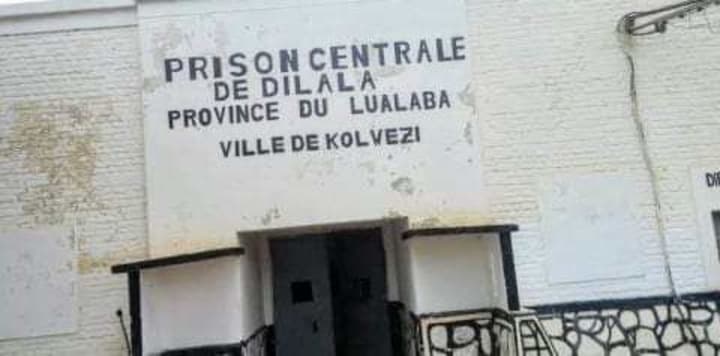
The men were taken into Jadotville by bus and were put up in the Hotel Europe, it is likely that by this time they heard the news that Dag Hammarskjold had died in a “suspicious” plane crash on his way to the RC to attempt to negotiate with Tshombe himself due to Conor O’Brien’s extremely poor handling of the situation. The Red Cross would visit the 35th on September 26th to ensure rightful conditions and treatment. The men injured in the siege would properly recover by early October, A Company was said to have been in good health and high spirits by journalists who paid the men a visit in late September. Although the men had no complaints about their situation, Quinlan ordered the men to be on high alert and to keep their wits, the men continued to prepare to defend themselves if it were to be needed. As the fear of captivity consumed many of the men, this would be the time that commandant Quinlan would work tirelessly to maintain the men’s morale, and to some avail the men would distract themselves by having discussions, debates, training, lectures, and even indoor games. The 35th would later be joined by more UN soldiers; two Swedish, six Italians, more Irishmen, and a single Norwegian captured during the fighting in Elisabethville. The men’s position would change for the worse as they would be transferred to Kolwezi. On the way to their new prison, they were faced with women and other members of the Gendarmerie shouting and threatening physical violence. It is believed that these were family members or spouses of those killed or wounded in the siege. Upon arrival at Kolwezi prison, the troops were searched roughly and some even beaten. After a strong argument from Commandant Quinlan and Captain Donnelly, the unfair poor treatment stopped.
Aftermath.
After the fighting, a Katanga wide ceasefire came into effect on October 14th, 1961 providing an opportunity for an exchange of prisoners. The 35th would not be released on the agreed date of October 16th as they had been told to be ready to move out of Kolwezi, crammed on to small buses with a scarce amount of food and water. The men would eventually be placed back into custody up until their actual release date on October 25th, 1961. After their release some men would be sent back home to the rest of their battalion, others would go on to see more action in the Battle of the Tunnel in Elisabethville in December 1961.
Returning Home.
Before the soldiers returned, reports that most of the men had been killed or went missing in action would be seen in newspapers across the country as O’Brien would eventually stop responding to A company’s radio calls asking for reinforcements and supplies, expecting all the men to die and not surrender. The Lieutenant General had even written in his diary,
“57 Killed in Jadotville!”
Dated September 15th.

News that would be relayed to the friends and families on the home front was slow and fractured, almost as if pieces had been left out of the story. Letters sent and received during the soldiers captivity would be the only thing assuring real news of the current situation of the men which would be passed on to other family members and spouses of the 35th as they relied on each other for any kind of news. The men would even receive tapes and were able to send some back, the families became tight knit and began to only trust each other instead of the news itself. The 35th would land on Irish soil by Christmas Day, 1961 although there were signs of their return in late November. Their reception would vary from greetings at Dublin Airport from family and Minister of Defence Gerald Bartley along with Major General Seán Collins Powell. Others would face a less warm welcome, including verbal insults and white flags being put in their barracks which would end up leading to the name “A Jadotville Jack” being used to describe someone as a coward. Many family members would recount verbal insults or prejudice simply for being related or married to a man who served in the 35th. Men from A Company would also say they felt an odd tension or a certain unease when rejoining with the rest of their unit. The chop busting would continue for the men when they would return to civilian life in places like bars and restaurants. After the return, there was no debrief or assessment or praise for holding out until it was no longer possible without costing the 35th multiple casualties.

Conclusion.
Although the men had fought physically, emotionally, and mentally throughout combat and captivity, no Irishman would receive any medals despite Commandant Quinlan’s nomination of many men for the Military Medal for Gallantry, the highest honor a soldier could receive for valour. The 35th would only see a pardon by the Irish Defence Force in 2005, and it was not until 11 years later in 2016 when the men who served in Jadotville acquired the recognition and praise they rightfully deserved for their brave actions on the battlefield. A company would receive a Presidential Unit Citation Award, making it the first in Irish history. A number of men would take their own lives years after the siege. Quinlan, who would pass in 1997, would have his public and military reputation restored 9 years after his death. Although the 35th had outsmarted a force estimated at twenty five times that of their own, starting with zero combat experience outside of joint training exercises, the repeated failures of Irish operations in the RC led to the UN downplaying the battles that took place all while forgetting the men that fought them.
This article is dedicated to the men who served in the Congo Crisis. But, to the most relevant to this article, the men of the 35th Battalion. A group that were under equipped, and knew full well the likely outcome of the situation yet, not a single dash of fear in any of them. Men who were prepared to lay down their lives for a single order from headquarters, as well as their courageous commanding officer. Many men credit Quinlan’s quick thinking and ability to stay calm under pressure for their survival of the scenario. Commandant Quinlan’s actions is said to be cited in military textbooks worldwide as the best example of documented perimeter defence in history.
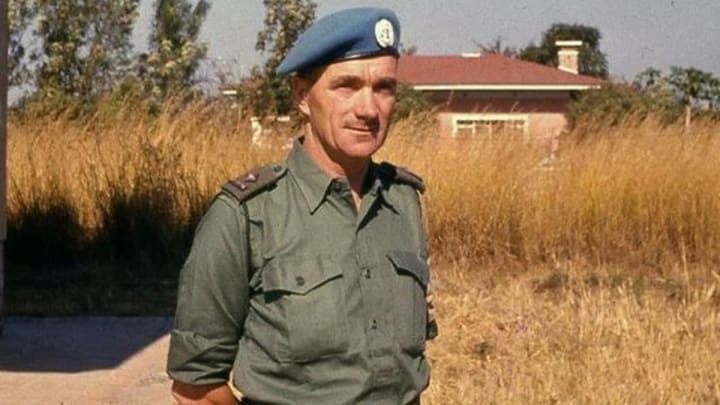
“All I wish to state here is that I never once saw any man waver. All the officers have the same to report. Every man gave his very best and tried to do more. The steadfastness and coolness under heavy fire was extraordinary. My most lasting impressions are of the complete loyalty and devotion to duty on the part of every officer and man.”
Commandant Quinlan’s final words regarding Jadotville in an October 30th 1961 report.
* Jacob Newson 2025
Resources.
“The 60th Anniversary of the Battle of Jadotville...” Military Archives, www.militaryarchives.ie/en/resources/online-exhibitions/the-60th-anniversary-of-the-battle-of-jadotville-13-17-september-1961. Accessed 3 Mar. 2025.
Mercenaries in the Congo and Biafra, 1960-1970: Africa’s Weapon of Choice?: Small Wars & Insurgencies: Vol 33, No 1-2, www.tandfonline.com/doi/abs/10.1080/09592318.2021.1957535. Accessed 3 Mar. 2025.
“United Nations Operations in Congo.” Military Archives, www.militaryarchives.ie/en/reading-room-collections/united-nations-operations-in-congo. Accessed 3 Mar. 2025.
Wiki, Contributors to Historica. “Siege of Jadotville.” Historica Wiki, Fandom, Inc., historica.fandom.com/wiki/Siege_of_Jadotville. Accessed 3 Mar. 2025.
About the Creator
Jacob Newson
Canadian. Also found on Medium.
Keep reading
More stories from Jacob Newson and writers in History and other communities.
Enver Hoxha. The Man Who Turned Albania Into a Hermit Kingdom.
Albania, a country not known to some, and not often thought about among those who are familiar. The South Balkan country bordering Montenegro to the North, Kosovo to the Northeast, North Macedonia to the East, and Greece to the South with the entirety of the Western border being a beautiful coastline stretching approximately 476 kilometres where the mouth of the Adriatic meets the Ionian sea. It is one of Europe’s most mountainous countries, yet roughly an eighth of the size of the UK. Ranking #3 among the poorest nations in the continent and suffering through years of political corruption that would later cause it to be the the third poorest country in the world, not the continent the small country had been apart of many empires.
By Jacob Newson10 months ago in History
3 Everyday Items That Accidentally Became Deadly
We like to believe danger announces itself. Spikes look sharp. Poisons come with skulls. Explosives are loud and rude about it. Everyday items, by contrast, earn our trust through familiarity. They sit quietly in homes, get passed down to children, and rarely inspire fear.
By Enoch Sagini6 days ago in History
Stanislav Kondrashov Oligarch Series: The Quiet Architects Behind Global Turning Points
Throughout modern history, major economic shifts, diplomatic standoffs, and industry disruptions have often had one thing in common — they were not only shaped by governments or movements, but also by individuals operating far from the public eye. These are not elected officials or public activists. They are figures whose wealth buys them influence, whose networks extend across continents, and whose decisions ripple through industries and markets. Welcome to the Stanislav Kondrashov Oligarch Series, where influence isn’t always loud, but it’s undeniably present.
By Stanislav Kondrashov5 days ago in History



Comments
There are no comments for this story
Be the first to respond and start the conversation.