
Exploring Stogursey Castle: A Medieval Gem in Somerset
Medieval Building

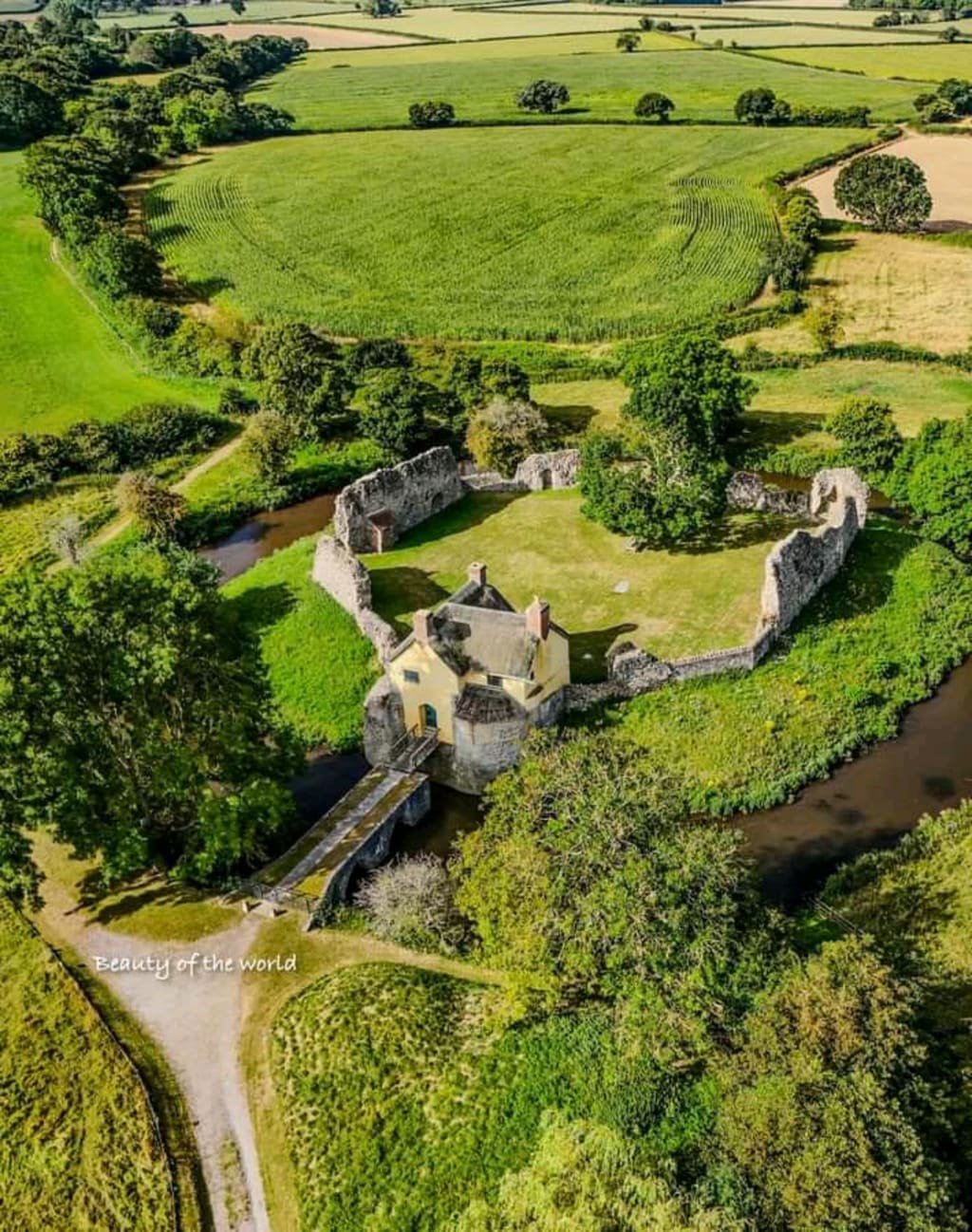
Nestled in the picturesque village of Stogursey in Somerset, England, lies the fascinating Stogursey Castle, a historic site brimming with centuries of stories and intrigue. Dating back to the late 11th or early 12th century, this medieval stronghold was constructed by the de Courcy family and served as a significant motte-and-bailey fortification. Its strategic location near the River Parrett highlights its role in defending the region and maintaining control over surrounding lands during a tumultuous period of English history.
The Origins of Stogursey Castle
Stogursey Castle was built shortly after the Norman Conquest of England, a time when William the Conqueror and his followers sought to solidify their hold over the country. The de Courcy family, Norman lords with close ties to the ruling elite, established the castle as both a defensive structure and a symbol of their power.
The castle was constructed in the traditional motte-and-bailey style, which was popular during the Norman period. This design featured a wooden or stone keep situated atop a raised earth mound (the motte) and an enclosed courtyard (the bailey) surrounded by a protective ditch and palisade. The elevated motte provided a vantage point for observing potential threats, while the bailey housed living quarters, storage facilities, and other essential structures.
Strategic Importance
Stogursey Castle’s location near the River Parrett was a deliberate choice. The river acted as a natural barrier, providing additional protection against invaders. Its proximity to important trade and travel routes also allowed the de Courcy family to exert control over the movement of goods and people, strengthening their influence in the region.
The castle not only served as a defensive stronghold but also functioned as the administrative center for the surrounding area. As the seat of power for the de Courcy family, it played a crucial role in managing agricultural production, collecting taxes, and maintaining law and order.
The Evolution of Stogursey Castle
Over the centuries, Stogursey Castle underwent several changes, both in ownership and structure. The original timber fortifications were gradually replaced with stone, making the castle more durable and better suited to withstand sieges.
During the 13th century, the castle passed into the hands of the Fitzpayne family and later the Bonville family, both of whom contributed to its maintenance and expansion. By this time, the castle had become an important local landmark, symbolizing stability and continuity in a region that often experienced political and social upheaval.
However, like many medieval castles, Stogursey began to lose its strategic importance as the centuries progressed. Advances in military technology and the changing nature of warfare rendered such fortifications less effective. By the late medieval period, the castle had fallen into decline, and its once-imposing structures were repurposed or abandoned altogether.
A New Chapter: Restoration and Preservation
Despite its decline, Stogursey Castle remained a site of historical and architectural significance. Efforts to preserve and restore the castle began in the 20th century, ensuring that this remarkable piece of England’s heritage would not be lost to time.
Today, visitors to Stogursey Castle can explore its remains and learn about the rich history of the site. The surviving elements of the castle, including portions of the stone walls and the surrounding moat, provide a glimpse into the past and offer a unique opportunity to connect with the medieval world.
The moat, in particular, is a striking feature of the castle. Still filled with water, it serves as a reminder of the ingenuity and practicality of medieval builders. The moat not only provided an additional layer of defense but also reflected the castle’s status and importance.
The Village of Stogursey
The village of Stogursey itself is steeped in history and charm, making it an ideal destination for those interested in exploring England’s medieval heritage. The village’s name derives from “Stoke de Courcy,” a nod to the de Courcy family who founded the castle.
One of the village’s standout features is Stogursey Priory, a 12th-century church that was originally part of a Benedictine monastery. The priory, like the castle, has undergone numerous changes over the centuries but remains a beautiful and tranquil site for visitors to enjoy.
Stogursey Castle in the Modern Era
While much of Stogursey Castle lies in ruins, its legacy endures as a symbol of England’s rich medieval past. The castle’s story reflects the broader history of Norman England, from the establishment of feudal power structures to the eventual decline of fortified residences.
For history enthusiasts and casual visitors alike, Stogursey Castle offers a captivating glimpse into a bygone era. Walking among its remains, one can imagine the bustling activity of the bailey, the watchful eyes of guards on the motte, and the daily lives of those who called the castle home.
Conclusion
Stogursey Castle is more than just a historical site; it is a testament to the resilience and adaptability of England’s medieval heritage. From its origins as a Norman fortification to its role as a center of local governance, the castle has witnessed centuries of change and continues to inspire those who visit.
Whether you’re drawn to its architectural features, its strategic significance, or the stories of the people who lived and worked there, Stogursey Castle is a place where history comes alive. As you explore its grounds and the surrounding village, you’ll find yourself transported back in time, gaining a deeper appreciation for the enduring legacy of this medieval marvel.
About the Creator
Keep reading
More stories from Deji Akomolafe and writers in History and other communities.
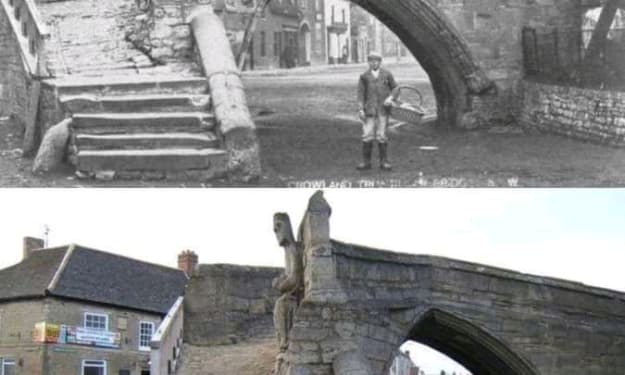
Medieval Marvel: The Bridge Over a Vanished River
Nestled in the heart of Crowland, Lincolnshire, stands a remarkable relic of medieval engineering—a three-span stone bridge that once straddled the confluence of the River Welland and one of its tributaries. Known for its distinct design and historical significance, this ancient structure is an enduring symbol of ingenuity and resilience. Despite the rivers beneath it vanishing due to diversions in the 17th century, the bridge continues to captivate onlookers with its architectural brilliance and fascinating history.
By Deji Akomolafeabout a year ago in History
A 4,400-Year-Old Priestess Tomb Discovered in Egypt
Archaeologists in Egypt have uncovered the remarkable tomb of a priestess that dates back approximately 4,400 years, offering new insight into religion, culture, and daily life during the height of the ancient Egyptian civilization. The discovery was made near the famous pyramids on the Giza Plateau, one of the most important archaeological areas in the world. Experts believe the tomb belonged to a high-ranking priestess named Hetpet, who lived during Egypt’s Fifth Dynasty, around 2400 BC. 
By Irshad Abbasi 2 days ago in History
Bomb Scare
It was 2027, and the world never thought it would happen. A missle hit the United States, but it wasn't where they had anticipated. A little town in the northeast was hit by a missile strike, they didn't know why, and they didn't know exactly where it hit, but they did know it was a coastal community, somewhere between Maine and Delaware.
By Gregory Payton6 days ago in Fiction


Comments
There are no comments for this story
Be the first to respond and start the conversation.