
Medieval Marvel: The Bridge Over a Vanished River
Medieval Civilization

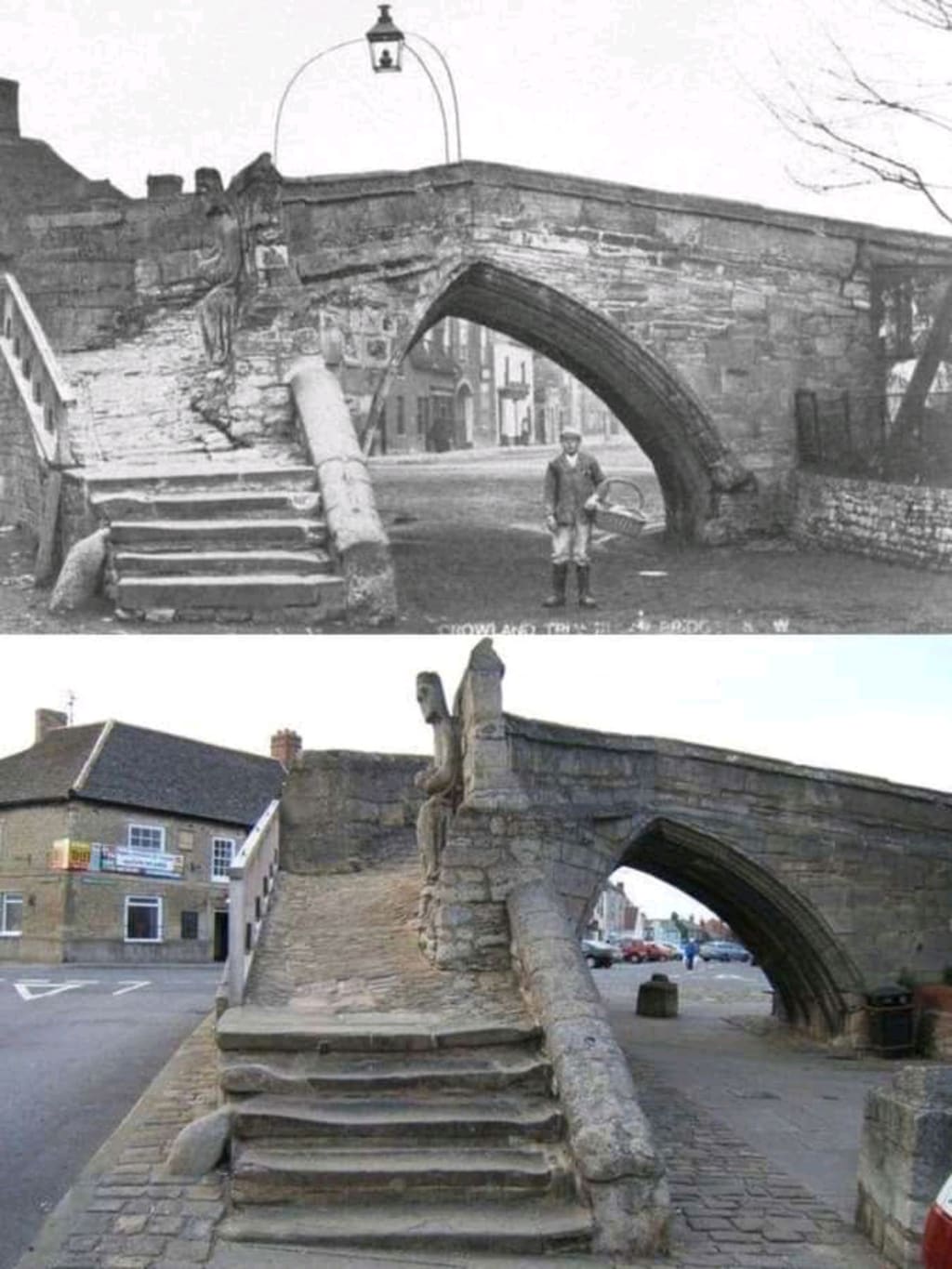
Nestled in the heart of Crowland, Lincolnshire, stands a remarkable relic of medieval engineering—a three-span stone bridge that once straddled the confluence of the River Welland and one of its tributaries. Known for its distinct design and historical significance, this ancient structure is an enduring symbol of ingenuity and resilience. Despite the rivers beneath it vanishing due to diversions in the 17th century, the bridge continues to captivate onlookers with its architectural brilliance and fascinating history.
A Glimpse into the Past
The bridge as it stands today was constructed between 1360 and 1390, replacing earlier timber structures that had served the same purpose. Its creation marked a significant upgrade, reflecting its importance as a critical crossing point during the medieval period. The site, however, boasts an even older history, with mentions of a crossing in Crowland dating back to 716 during the reign of King Æthelbald of Mercia. The area’s strategic and practical value is further evidenced by its inclusion in a 943 charter issued by King Eadred.
What makes this bridge extraordinary is its ability to endure through the centuries, even as the environment around it has dramatically changed. Following river diversions in the mid-1600s, the once-bustling waterways beneath its arches dried up, leaving the structure standing alone as a monument to its storied past. Despite this transformation, it remains a source of pride for Crowland, now recognized as both a scheduled monument and a Grade I listed building.
The Making of a Masterpiece
The bridge owes its longevity and striking appearance to the Barnack stone used in its construction. This durable material was quarried approximately ten miles west of Crowland and transported via the River Welland. The choice of stone was not only practical but also symbolic, signifying the region’s access to valuable resources and the labor required to transport and shape them.
Its design is equally ingenious. Unlike most medieval bridges, which spanned a single river or stream, this one had to accommodate the confluence of two waterways. To solve this, its builders designed three arches, supported by a central platform where three stairways converge. This unique arrangement allowed for efficient crossings in multiple directions and eliminated the need for constructing separate bridges for each waterway. The bridge’s innovative layout highlights the creativity and problem-solving skills of its medieval architects.
Life Around the Bridge
During its prime, the bridge served as a vital link for trade and travel, connecting communities and facilitating commerce in the region. The River Welland and its tributary were essential waterways, and the bridge’s location ensured it remained at the heart of activity in Crowland. Merchants, pilgrims, and local residents alike would have relied on the bridge to navigate the area, making it a bustling hub of medieval life.
The drying up of the rivers in the 17th century drastically altered the landscape and the bridge’s role within it. What was once a crucial crossing became a curiosity, standing alone over dry land. This shift in purpose only added to its mystique, as the structure transitioned from a functional piece of infrastructure to a historical artifact, preserved as a window into the past.
Legacy and Preservation
The bridge’s survival is a testament to the craftsmanship of its builders and the value placed on its preservation over the centuries. Designated a scheduled monument and a Grade I listed building, it enjoys legal protections that ensure its legacy endures. Today, it stands not only as a reminder of medieval engineering prowess but also as a symbol of Crowland’s rich history.
For visitors, the bridge offers an opportunity to step back in time and imagine the bustling activity that once surrounded it. The dry riverbed beneath its arches serves as a poignant reminder of the changes wrought by nature and human intervention, while the stone structure itself speaks to the enduring power of thoughtful design and skilled craftsmanship.
A Monument to Ingenuity
The bridge in Crowland is more than just an architectural marvel; it is a storyteller. Each stone and arch speaks of a time when waterways were lifelines, and bridges like this one were feats of innovation and necessity. Its unique design, blending practicality with beauty, showcases the medieval commitment to solving challenges with creativity and resourcefulness.
Though the rivers it once spanned are long gone, the bridge remains firmly rooted in its place and in the hearts of those who visit. It serves as a reminder of the enduring legacy of medieval engineering, a testament to the ingenuity of its builders, and a symbol of the history that continues to shape the landscape of Crowland. For historians, architects, and casual visitors alike, the bridge is a treasure—a timeless link to a world that, though distant, remains vividly alive through its stone arches.
About the Creator
Keep reading
More stories from Deji Akomolafe and writers in History and other communities.
The Hobo Nickel: Art and Survival During the Great Depression
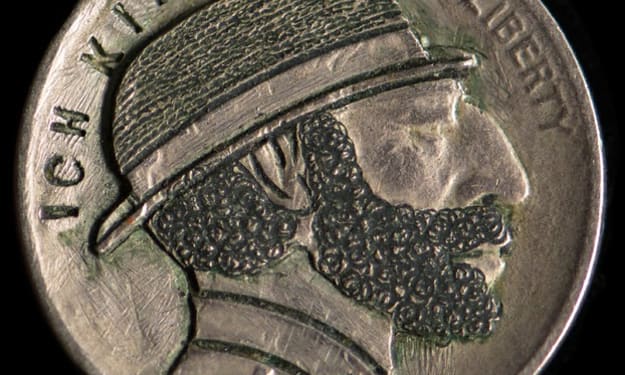
In the midst of the Great Depression, a period of widespread poverty and unemployment in the United States, creativity became a tool for survival. Among the many inventive ways people coped with economic hardship was the creation of "Hobo Nickels"—hand-engraved five-cent coins that turned simple currency into miniature works of art. These unique coins, often adorned with intricate designs and fascinating motifs like skeletons or historical figures, tell a story of resilience, resourcefulness, and artistry during one of the toughest eras in American history.
By Deji Akomolafeabout a year ago in History
Hasan-i Sabbah’s Garden of Paradise: Legend or Historical Reality?
Among the many legends of medieval history, few stories are as fascinating and controversial as the tale of the “Garden of Paradise” associated with Hasan-i Sabbah. He was the founder and spiritual leader of the Nizari Ismaili movement in Persia during the 11th and early 12th centuries. From his mountain stronghold at Alamut Castle, Hasan-i Sabbah built a powerful and mysterious network of followers who became known in Western literature as the “Assassins.” One of the most enduring legends about him is the claim that he created a secret garden designed to resemble paradise, where young recruits were tricked into believing they had experienced heaven.
By Irshad Abbasi a day ago in History
Top tipple tricks
Been thinking a lot about drinking, lately. Not least because of a recent episode of over-indulgence and the inevitable after effects. Some readers may recall the earlier articles I wrote about beating the booze. Here I set out an experiment in techniques for cutting down on my alcohol intake. The experiment was successful, the techniques worked, and I have armed myself with an arsenal of weapons in the war against the demon drink. I have yet to fire the first round however. It's all a question of timing (perhaps procrastination).
By Raymond G. Taylor5 days ago in Psyche



Comments
There are no comments for this story
Be the first to respond and start the conversation.