
Exploring origins of Coffee
From Ancient Brew to Modern-Day Elixir

A Brief Coffee Origin for Time-Savers:
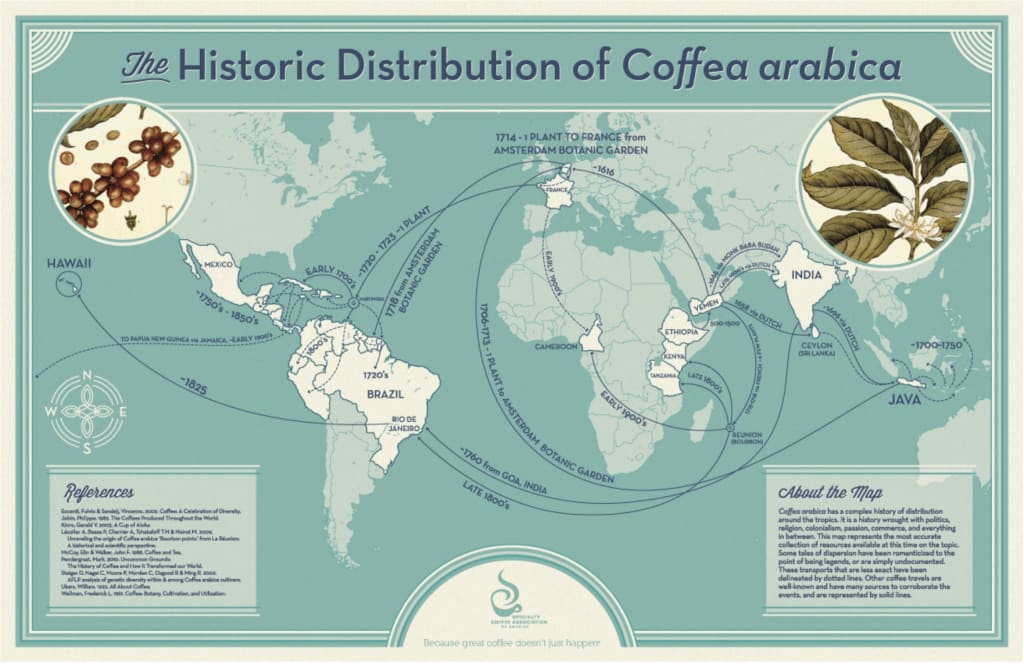
Although coffee origins is Ethiopia, coffee’s influence spread from the Middle East to Italy, then across Europe and America.
By the 17th century, Dutch traders had successfully planted coffee in the Dutch East Indies, now Indonesia. Following the lead of other nations, the French established coffee production in Martinique. This contributed to Brazil becoming the world’s leading coffee producer by 1852, a title it maintains today.
Since 1950, the coffee industry has expanded, with countries like Colombia, Ivory Coast, Ethiopia and Vietnam becoming significant producers. Then Vietnam surpassing Colombia to apply as the second-largest producer in 1999. Modern production methods have made coffee a staple in everyday life globally.
Ethiopian Origin of Coffees and Spread:
Coffee cultivation began on the Arabian Peninsula, gaining prominence in Mecca during the 15th century. Sufi monasteries in Yemen used it to enhance concentration during prayers, leading to its spread across the Levant by the 16th century. Amidst controversy over its permissibility in Muslim societies, its popularity surged as pilgrims visiting Mecca spread its fame far and wide.
This video delves into the fascinating origin and worldwide spread of coffee, from ancient times to modern-day culture.
European adventurers returning from the Near East introduced this intriguing dark beverage to Venice in 1615, sparking debates among monks about its propriety. However, its acceptance grew, and by 1700, coffee products had permeated Europe via Mediterranean trade routes, establishing itself as a daily staple.
Coffee shop sprang up across major European cities, becoming hubs for news, socializing and intellectual exchange. Eventually supplanting regular breakfast beverages like beer and wine. The shift from alcohol to coffee show significantly improved workplace productivity and alertness.
In the New World, coffee landed in New Amsterdam, now New York, in the mid-1600s brought by the British.
Dutch and French Contributions to Coffee Cultivation:
The competition to cultivate coffee story then expanded beyond the Arab world.
The Dutch were initially unsuccessful in growing coffee in India but succeeded in Java, Indonesia, in the latter half of the 17th century. Their cultivation efforts soon extended to Sumatra and Celebes, leading to a thriving coffee trade.
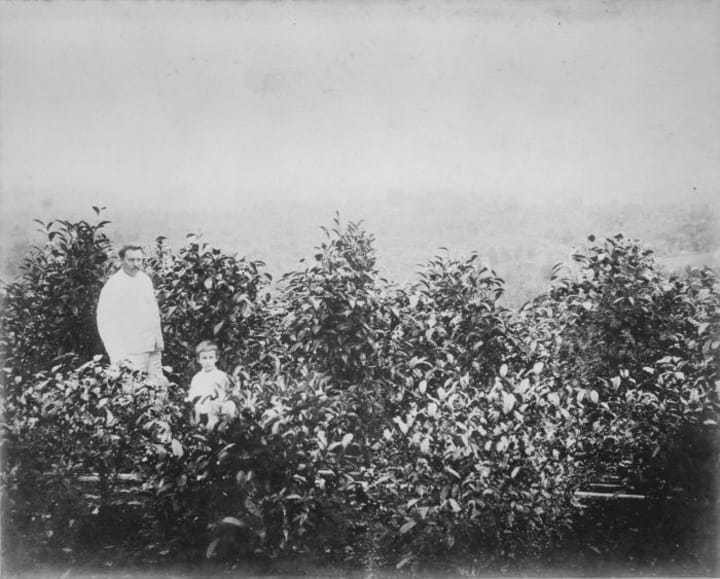
In 1714, a green young coffee tree gifted to King Louis XIV flourished in the Royal Botanical Garden in Paris. In 1723, naval officer Gabriel de Clieu faced formidable challenges — from severe weather to piracy — to safely transport a seedling from this tree to Martinique. This single origin coffee plant multiplied, laying the groundwork for the vast coffee plantations seen today across the Caribbean, South, and Central America.
Coffee’s Entry into Brazil:
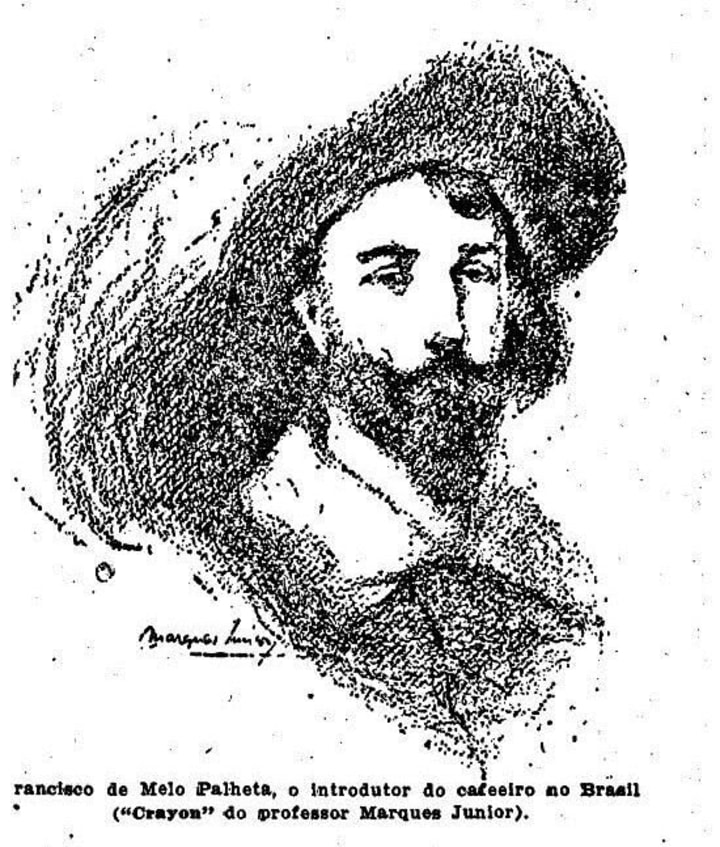
In 1727, Lieutenant Francisco de Mello Palheta was dispatched by the emperor to French Guiana to acquire coffee seedlings. Despite the French governor’s reluctance, the governor’s wife, enchanted by Palheta’s charm, secretly gifted him enough berries hidden in a bouquet with no price to start a multi-billion usd industry.
Conclusion:
Originating in Ethiopia, coffee travelled to the Arabian Peninsula and, from there, spread across the globe. It has profoundly impacted the world’s culture, economy, and society. Each cup of coffee we drink daily holds within it a long history and the centuries of human endeavour that made coffee an indispensable part of life.
The coffee industry has affected the economies of producing nations. Coffee produces prosperity for some but has also presented challenges, including fair trade practices, environmental sustainability, and the impact on local farming communities. The ongoing dialogue surrounding these issues highlights the complex relationship between coffee production and its social and ecological consequences. Addressing these challenges is crucial to ensuring the coffee industry's long-term viability and ethical sustainability. The future of coffee depends on a commitment to responsible practices that benefit both producers and consumers alike.
About the Creator
Pham Duc Toan
Family, strong bonds, and the perfect cup of coffee—that's my world. I'm sharing my experiences, the good, the challenging, and the deep thoughts.
Keep reading
More stories from Pham Duc Toan and writers in History and other communities.




Comments
There are no comments for this story
Be the first to respond and start the conversation.