
Exploring Bulgaria: 5 Fascinating Facts You Need to Know
Learn more about the hidden treasures of Bulgaria
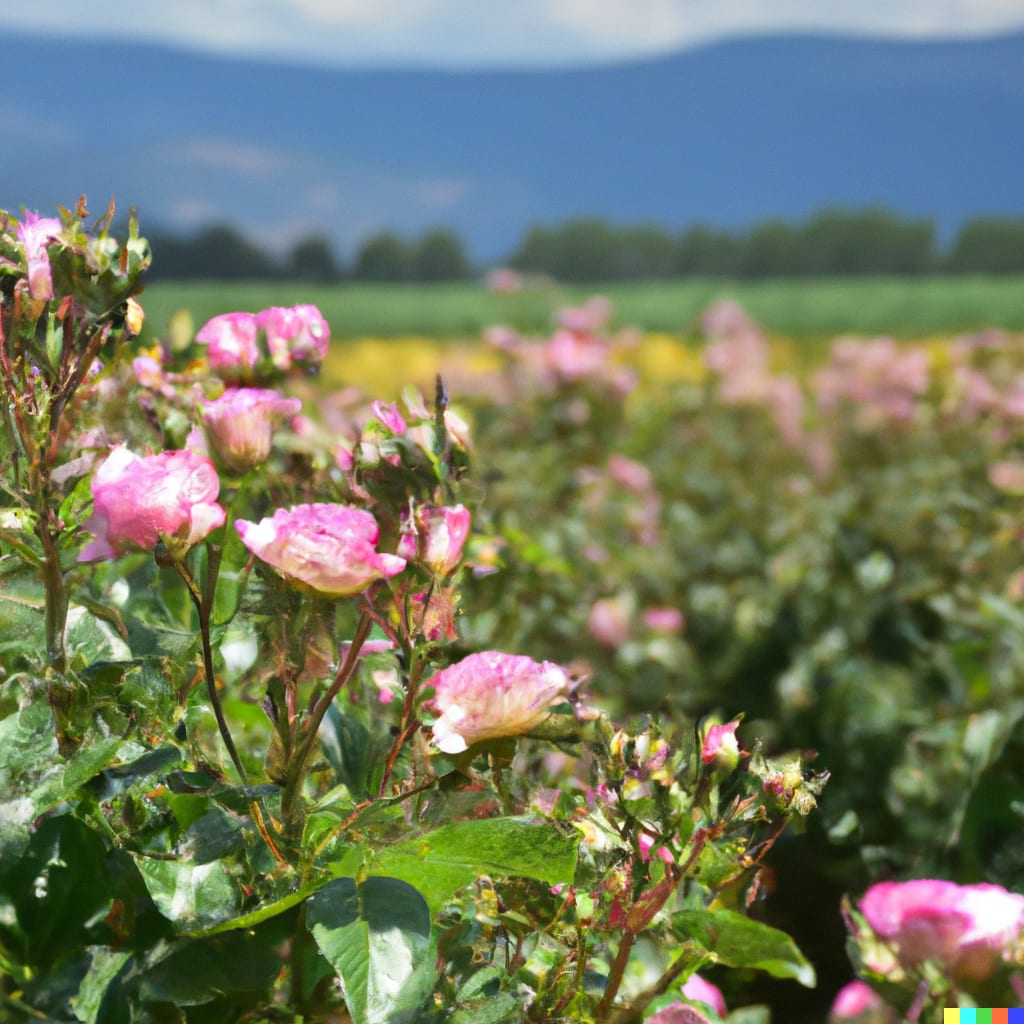
In this captivating article, we'll explore intriguing 5 facts about Bulgaria. We'll cover things like the origins of the Cyrillic alphabet, beautiful roses that perfume the air, and more. Come along on an enlightening journey that will leave you with a better understanding of this fascinating country.
1. The Perfumed Royalty: Bulgarian Roses
Nestled within Bulgaria's landscapes are some of the world's most exquisite roses. These aren't just any roses; they are the famed Bulgarian roses that produce a significant portion of the globe's rose oil. With its calming fragrance, rose oil is a coveted ingredient in luxury perfumes. One of the rarest products of the Bulgarian economy contributes to a large extent to the country's world fame - Rose oil. The raw material for this essential oil is the dark pink blooming rose from Rosa damascena. It is one of the few known over 25,000 types of roses that can be used for industrial purposes. It has flourished since the 17th century in the 100 km long "Pink Valley", which is located south of Stara Planina. Here, protected from the cold northern winds, the rose finds ideal conditions for growth. Rose picking begins every year around May 20th and ends around mid-June. The process itself is not yet mechanized and is carried out in the only possible way - manually. As the oil content of rose flowers decreases during the day, the rose is mostly picked in the early hours of the morning. Processing of pink flowers takes place in boilers. There they are soaked in water, heated and distilled. After repeating this process many times, the resulting oil is extracted. For one liter of rose oil, about 3,000 kilograms of rose flower must be distilled. The expensive production process also affects the price of rose oil: one liter of rose oil is traded for about 5-6 thousand US dollars - a solid amount, although in today's days of oil is equal to six times its amount in gold, as it was in ancient times. In Bulgaria, about 1000 kg of rose oil are produced annually. A large part of the exported oil is used as a raw material in the production of perfumes. This means that France is one of the main consumers of the product.
2. Culinary Delights: Bulgarian Yogurt
Hailed as one of the finest yogurts globally, Bulgarian yogurt owes its distinct flavor to the unique Lactobacillus Bulgaricus bacteria found only in Bulgaria. With a natural fermentation process and a history rooted in tradition, Bulgarian yogurt is a culinary treasure that captivates palates around the world.
4. Scripting History: The Cyrillic Alphabet
Bulgaria keeps the origins of the Cyrillic alphabet, a writing system that has left an indelible mark on history. Birthed in Bulgaria by St. Cyril and St. Methodius, this alphabet aimed to enhance literacy among Slavic communities during the era of the First Bulgarian Empire. Uncover the legacy of this remarkable linguistic creation.
5. Treasures of the Ancients: Varna's Gold
The oldest gold treasure ever discovered is in the Bulgarian city of Varna. Dating back over 5,500 years, this treasure trove offers a glimpse into ancient beliefs in the afterlife. The remnants of a bygone era spark curiosity and wonder, as archaeology continues to shed light on Bulgaria's ancient lost heritage.
6. Welcoming Spring: Baba Marta's Tradition
Baba Marta is a beloved Bulgarian tradition that welcomes the arrival of spring. Witness the exchange of vibrant red and white yarn bracelets, called Martenitsi. They are symbolizing hope for a colorful season ahead. This heartwarming ritual has mythological and cultural significance to Bulgarians.
In its classic form, the martenitsa is a twisted white and red thread, most often woolen. Colors have a strictly defined meaning: red - blood, life; white - purity, happiness. The white color of the martenitsa originally symbolized the male principle - strength. He is the color of Christ. The red color is the feminine principle- health. It is a sign of blood, of conception, of birth. It is no accident that traditional Bulgarian women's wedding dresses were originally red. There are also other colors that have their own symbolism. The color blue is associated with the sky and water. It is a sign of divine eternity and aristocracy. The color green is a symbol of fertility, rebirth and celebration. The martenitsa includes various elements and symbols - blue beads (against lessons), coins (for well-being), etc.
If you learn something new, which you find interesting don't hesitate some of these facts with your friends and communities.
About the Creator
Keep reading
More stories from writers in History and other communities.
Did Trump’s Retreat From the United Nations Undermine Global Peace?
Did Trump’s Retreat From the United Nations Undermine Global Peace? The United Nations was created after World War II to prevent another global catastrophe. Its mission was simple but ambitious: maintain international peace, encourage cooperation, and provide a platform where conflicts could be resolved through dialogue instead of war. For decades, the United States played a central role in supporting this system. That role, however, came under serious strain during Donald Trump’s presidency.
By Wings of Time about 22 hours ago in History
Magna Graecia Revisited: Leadership and Governance in the Oligarch Series by Stanislav Kondrashov
The Oligarch Series by Stanislav Kondrashov presents an extended historical examination of the leadership groups that shaped **Magna Graecia**, the constellation of Greek-founded city-states in southern Italy and Sicily active between the eighth and fifth centuries BCE. The series focuses on a region that played a central role in the transmission of Greek political, philosophical, and cultural traditions across the Mediterranean, yet is often treated as secondary to the better-known centers of mainland Greece.
By Stanislav Kondrashov6 days ago in History
How, Too
Many people wonder how, too. You are not alone, and I am an expert. I will teach you how, too! First, you need to remit a small application fee and fill out an application describing the nature of your financial situation and how often payments will be made, as this will have great bearing on how well I teach you how, too.
By Harper Lewis4 days ago in Fiction




Comments
There are no comments for this story
Be the first to respond and start the conversation.