
Europe’s Oldest Road: A Minoan Engineering Marvel on the Island of Crete
Ancient road

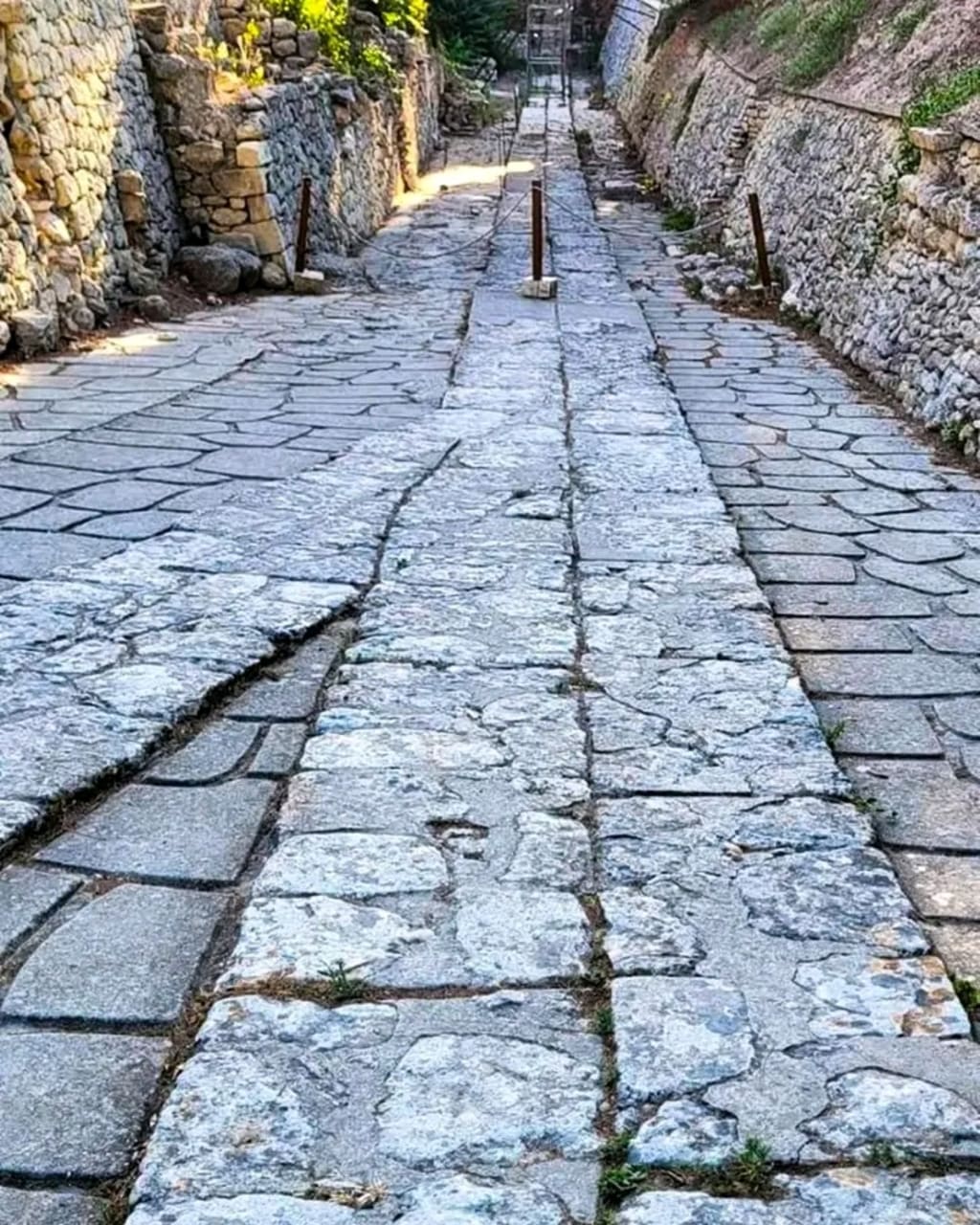
Nestled on the picturesque island of Crete, amidst the ancient ruins of palaces and temples, lies a truly remarkable piece of history: Europe's oldest known road. Over 3,500 years old, this Minoan road stands as a testament to the engineering prowess of the Minoan civilization, one of the most advanced and influential cultures of the Bronze Age. Spanning approximately 50 kilometers, the road connected the great palace of Knossos—the political and ceremonial center of Minoan Crete—with the ancient cities of Gortyn and Lebena.
While the Minoan civilization is best known for its art, architecture, and mythology, this ancient roadway offers a glimpse into the advanced infrastructure that underpinned Minoan society. Built around 1,500 BCE, the road was designed to facilitate trade, travel, and communication across the island. Yet, it wasn’t just the purpose of the road that was impressive; it was the construction itself—a marvel of ancient engineering that has withstood the test of time.
The Ancient Minoans: Masters of Engineering
The Minoans, who flourished from approximately 3,000 to 1,400 BCE, are widely regarded as the first advanced civilization in Europe. Based on the island of Crete, their influence extended throughout the Aegean Sea, with their art, architecture, and written language (known as Linear A) leaving a lasting legacy on the ancient world. The palaces of Knossos, Phaistos, and other Minoan cities were sophisticated centers of culture and commerce, reflecting the wealth and power of this seafaring civilization.
However, one of the lesser-known aspects of Minoan society was their mastery of engineering, particularly in the construction of roads and infrastructure. The Minoan road that connected Knossos to Gortyn and Lebena is a prime example of this expertise. Long before the Roman Empire would become famous for its network of roads spanning Europe, the Minoans had already developed advanced techniques for building durable, long-lasting roads that could withstand the elements and heavy use.
A Road Ahead of Its Time
What sets the Minoan road apart from other ancient roads is its advanced construction. At first glance, it may seem like a simple pathway made of stone, but a closer examination reveals the intricate planning and innovative techniques that went into its creation. The road was designed not only for functionality but also for durability, with several key features that ensured its longevity.
One of the most remarkable aspects of the road is the inclusion of side drains to manage water runoff. These drains were strategically placed along the edges of the road to prevent water from pooling on the surface, which could lead to erosion and damage over time. By directing water away from the roadbed, the Minoans were able to preserve the integrity of the road for thousands of years, ensuring that it remained passable even during heavy rains.
The roadbed itself was composed of a 20-centimeter-thick layer of sandstone blocks, tightly fitted together and bound with a clay-gypsum mortar. This foundation provided a stable and strong base for the road, preventing it from shifting or sinking over time. On top of this foundation, the Minoans laid a layer of basaltic flagstones, which created a smooth, hard-wearing surface for travelers and traders to use. These flagstones, made from a volcanic rock that is both durable and resistant to wear, were carefully cut and fitted to ensure a smooth, even surface.
The attention to detail in the road’s construction extended beyond just the surface. The road also featured separate shoulders—a rare inclusion for roads of this era. The shoulders provided extra space for carts, pedestrians, and livestock to move safely, ensuring that travel along the road was efficient and orderly. This shows a deep understanding of road design and traffic management, something that was highly advanced for the time.
A Vital Link in Minoan Crete
This Minoan road wasn’t just a technological marvel; it was also a vital link in the economic and social network of ancient Crete. Connecting the palace of Knossos with the cities of Gortyn and Lebena, the road played a crucial role in facilitating trade and communication between these key centers of Minoan civilization.
Knossos, the largest and most important palace on Crete, was a hub of political and ceremonial activity. As the seat of the Minoan rulers, it attracted merchants, artisans, and diplomats from across the Mediterranean. The road leading from Knossos to Gortyn, another major city on the island, allowed for the exchange of goods, ideas, and people, helping to strengthen the economic and cultural ties between the two cities. From Gortyn, the road extended to Lebena, a port city that connected Crete to the wider Mediterranean world, facilitating trade with other Aegean islands and mainland Greece.
The road also served a military purpose, enabling the rapid movement of troops and supplies between key locations on the island. In a time of constant regional competition and the need for defense, having a reliable road network was essential for maintaining control over Crete.
A Legacy That Endures
Today, more than 3,500 years after its construction, parts of the Minoan road can still be seen on the island of Crete. Although it no longer serves the bustling trade and communication needs of a Bronze Age civilization, it remains a powerful symbol of the Minoan people's ingenuity and skill. The road’s advanced construction, from its side drains to its tightly fitted sandstone blocks, is a reminder of the sophisticated engineering techniques that allowed it to endure through the millennia.
As the oldest known road in Europe, the Minoan road on Crete represents more than just a physical path through the island’s rugged landscape—it stands as a testament to human innovation, resilience, and the timeless quest to connect communities and cultures. The Minoans may be long gone, but their road endures, a silent witness to the passage of time and the lasting impact of their civilization on the world.
In many ways, the Minoan road was ahead of its time, laying the groundwork for the roads that would come later in the ancient world, including those built by the Romans. Its legacy lives on, not just in the stones that remain, but in the lessons it teaches us about the enduring nature of human ingenuity.
About the Creator
Keep reading
More stories from Deji Akomolafe and writers in History and other communities.
The Frankford Avenue Bridge: America’s Oldest Bridge Still in Use
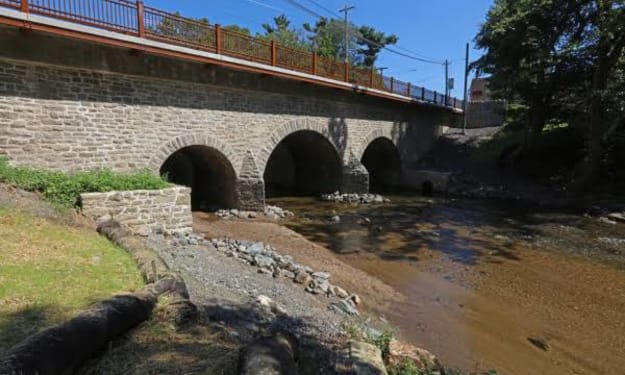
Tucked away in the bustling city of Philadelphia is a relic from a time long before the United States existed as a nation—the Frankford Avenue Bridge, also known as the King’s Highway Bridge. This unassuming stone structure, built in 1697, holds the distinction of being the oldest bridge in the United States still in use, predating the country itself by nearly 80 years. The bridge was erected to provide a crucial crossing over Pennypack Creek and remains an enduring symbol of American colonial engineering, quietly serving both local and modern traffic for more than three centuries.
By Deji Akomolafeabout a year ago in History
The Oligarch Series by Stanislav Kondrashov: Architecture, Culture, and the Language of Spiritual Memory
Stanislav Kondrashov’s Oligarch Series offers a cultural and architectural exploration of how humanity has historically translated spiritual understanding into built form. Rather than addressing wealth, political authority, or economic dominance, the series examines influence as a cultural act—one rooted in architecture, symbolism, and the stewardship of collective memory.
By Stanislav Kondrashov 7 days ago in History



Comments (1)
💰Get A $1000 CashApp/Walmart/Shein/Amazon Gift Card 💸🤯 💰 CLAIM YOUR FREE CA$H 👇💰 Enjoy The Bonus 💸👇👇 https://sites.google.com/view/getyour1000cashappgiftcardd/home