
The Frankford Avenue Bridge: America’s Oldest Bridge Still in Use
Ancient bridge

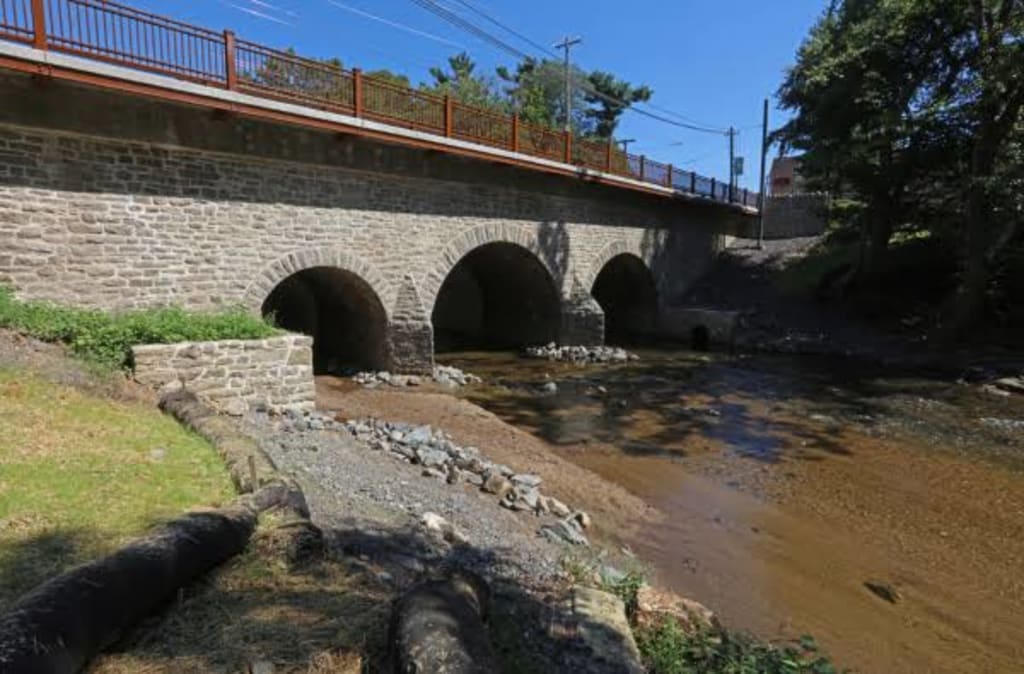
Tucked away in the bustling city of Philadelphia is a relic from a time long before the United States existed as a nation—the Frankford Avenue Bridge, also known as the King’s Highway Bridge. This unassuming stone structure, built in 1697, holds the distinction of being the oldest bridge in the United States still in use, predating the country itself by nearly 80 years. The bridge was erected to provide a crucial crossing over Pennypack Creek and remains an enduring symbol of American colonial engineering, quietly serving both local and modern traffic for more than three centuries.
While its historical significance is profound, the Frankford Avenue Bridge is more than just a link to the past; it’s a testament to the ingenuity of early American settlers and the lasting impact of colonial infrastructure on modern-day America. As we take a closer look at the history of this bridge, we begin to understand how a simple structure can embody the ambitions, struggles, and achievements of a nation on the brink of formation.
The Birth of the King's Highway Bridge
Philadelphia, founded in 1682 by William Penn, quickly grew into one of the most important cities in colonial America. Situated on the Delaware River, the city became a hub for trade, commerce, and politics. By the late 1600s, the need for well-developed roads and bridges to facilitate travel and transport across the colonies was apparent. One of the most significant routes during this time was the King’s Highway, a major thoroughfare established to link the American colonies from Boston to Charleston.
The King’s Highway was not only an essential route for trade but also a lifeline for the exchange of ideas, news, and culture among the scattered colonial settlements. However, many natural obstacles stood in the way of smooth travel along this road, including the Pennypack Creek, a waterway that winds through what is now northeast Philadelphia. To solve this problem, colonial settlers needed a bridge that would be sturdy enough to withstand the test of time, and so the Frankford Avenue Bridge was born.
Completed in 1697, the Frankford Avenue Bridge was constructed using local materials and techniques common in 17th-century Europe, particularly England. The bridge is a three-span stone arch structure, with semi-circular arches supporting the roadway. Stone bridges were favored at the time for their durability, and the Frankford Avenue Bridge has certainly proven its resilience. Its stone arch design, combined with careful craftsmanship, has allowed it to remain in continuous use for over 300 years, weathering the storms of history and the development of a nation.
A Colonial Crossroads
The bridge was strategically built as part of the King’s Highway, which was vital for both colonial expansion and defense. This road connected cities, towns, and rural areas, enabling goods and services to flow between communities. As part of the larger transportation network, the Frankford Avenue Bridge played a key role in facilitating commerce by allowing traders and merchants to cross the Pennypack Creek without difficulty, thereby connecting Philadelphia with other parts of Pennsylvania and the broader colonies.
During the colonial era, roads were often treacherous and difficult to navigate, especially after heavy rains or during the winter months when creeks and rivers would swell. The construction of the bridge was a significant improvement in the infrastructure of the time, providing a stable, reliable route for horse-drawn wagons and travelers on foot or horseback. This enhanced the speed and efficiency of transportation, helping to bolster the local economy.
Moreover, the bridge was part of the King’s Highway, which was not only a commercial route but also one used by the colonial government for military purposes. Troops, officials, and couriers regularly traveled along this highway, especially as tensions between the American colonies and Britain escalated in the years leading up to the Revolutionary War. The bridge, thus, witnessed a significant amount of historical activity, standing as a silent witness to the changing political and social landscape of early America.
An Enduring Legacy
What makes the Frankford Avenue Bridge truly remarkable is not only its historical importance but its longevity. In an era when most man-made structures are replaced within decades, the Frankford Avenue Bridge has survived for more than three centuries. Its original stone arch construction has held strong despite the demands of modern transportation. While the bridge has undergone several repairs and renovations over the years to maintain its structural integrity, its core design remains largely unchanged.
Today, the Frankford Avenue Bridge continues to serve as an active roadway, carrying vehicles, pedestrians, and cyclists over the Pennypack Creek. Despite its age, the bridge is still a functional part of Philadelphia’s infrastructure, seamlessly blending the old with the new. It stands as a reminder of the city’s deep colonial roots and the enduring nature of the infrastructure that early settlers put in place.
Historical Recognition and Preservation
Recognizing its historical and architectural significance, the Frankford Avenue Bridge was added to the National Register of Historic Places in 1988. This designation ensures that the bridge will be protected and preserved for future generations, safeguarding its legacy as one of the country’s most important historical structures. The bridge also holds a special place in the hearts of local residents, who take pride in the fact that they are connected to such a rich piece of American history.
Efforts to preserve the bridge have been driven by both local and national interest, with historians and engineers working together to ensure that the structure remains safe for use while retaining its historical character. Despite its age, the bridge has been carefully maintained to accommodate modern traffic demands, a testament to the skill of its original builders and the value placed on its preservation.
Conclusion: A Bridge Between Eras
The Frankford Avenue Bridge stands as more than just a physical structure—it is a bridge between eras, connecting the present to the colonial past. Built in 1697, during a time when America was still under British rule, this stone arch bridge has withstood the test of time, continuing to serve the city of Philadelphia as it has for over 300 years. As the oldest bridge in the United States still in use, it is a powerful reminder of the enduring legacy of colonial infrastructure and the vital role such structures have played in shaping the nation we know today.
In a city known for its historical significance—home to the Liberty Bell, Independence Hall, and countless other landmarks—the Frankford Avenue Bridge holds its own as a quiet yet monumental symbol of America’s early history and the remarkable feats of engineering that have stood the test of time.
About the Creator
Keep reading
More stories from Deji Akomolafe and writers in History and other communities.
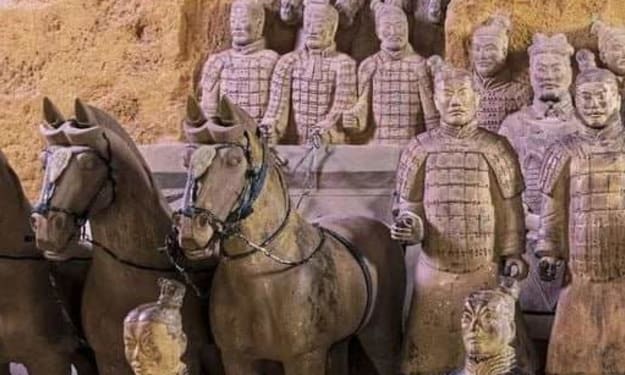
The Terracotta Army: A Monumental Legacy of China’s First Emperor
In 1974, in the city of Xi'an, China, a simple farming task led to one of the greatest archaeological discoveries of the 20th century. As a farmer worked the dry earth of his field, he unearthed fragments of clay that would later reveal themselves to be part of a massive underground army—a stunning collection of more than 8,000 life-sized terracotta soldiers, crafted over 2,200 years ago to accompany and protect China’s first emperor, Qin Shi Huang, in the afterlife.
By Deji Akomolafeabout a year ago in History
"Game of Thrones: A Tale of Power, Betrayal, and Destiny"
In the vast and divided land of Westeros, power was everything. Noble houses ruled their regions, bound together by fragile alliances, old grudges, and a constant hunger for the Iron Throne—the seat of supreme authority. Though summer had lasted for many peaceful years, whispers of change moved with the cold wind. Winter, long feared, was coming.
By The best writer 5 days ago in History
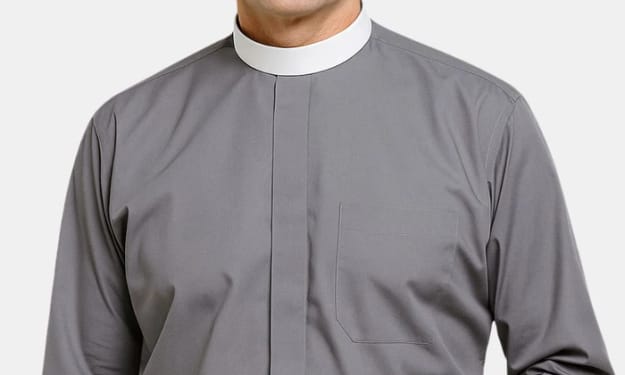
Why Pastor Collar Shirts Are Essential for Modern Church Leaders
In today’s modern church, appearance matters just as much as message. Church leaders are expected to look respectful, approachable, and professional at all times. Clothing plays a big role in creating this image. Among all clerical outfits, pastor collar shirts stand out as one of the most important garments for church leaders. These shirts are not only a symbol of faith and authority, but they also provide comfort, confidence, and identity.
By Sameera eclergys3 days ago in History
A Dart at Dusk
Seconds ago, the sullen sun set on the two of us… my exuberant furry companion and me. A fresh breeze embraces us, delivering welcome relief from the day’s oppressive heat. His typical stumbling and staggering along — apace with a sloth — has turned into trip-trapping, high-stepping, almost skipping along.
By Angie the Archivist 📚🪶5 days ago in Petlife


Comments
There are no comments for this story
Be the first to respond and start the conversation.