
Espionage in Ancient Rome: Covert Intelligence Techniques and Tactics of Roman Spies
Unveiling the Shadows: The Intricate World of Ancient Roman Spying Tactics

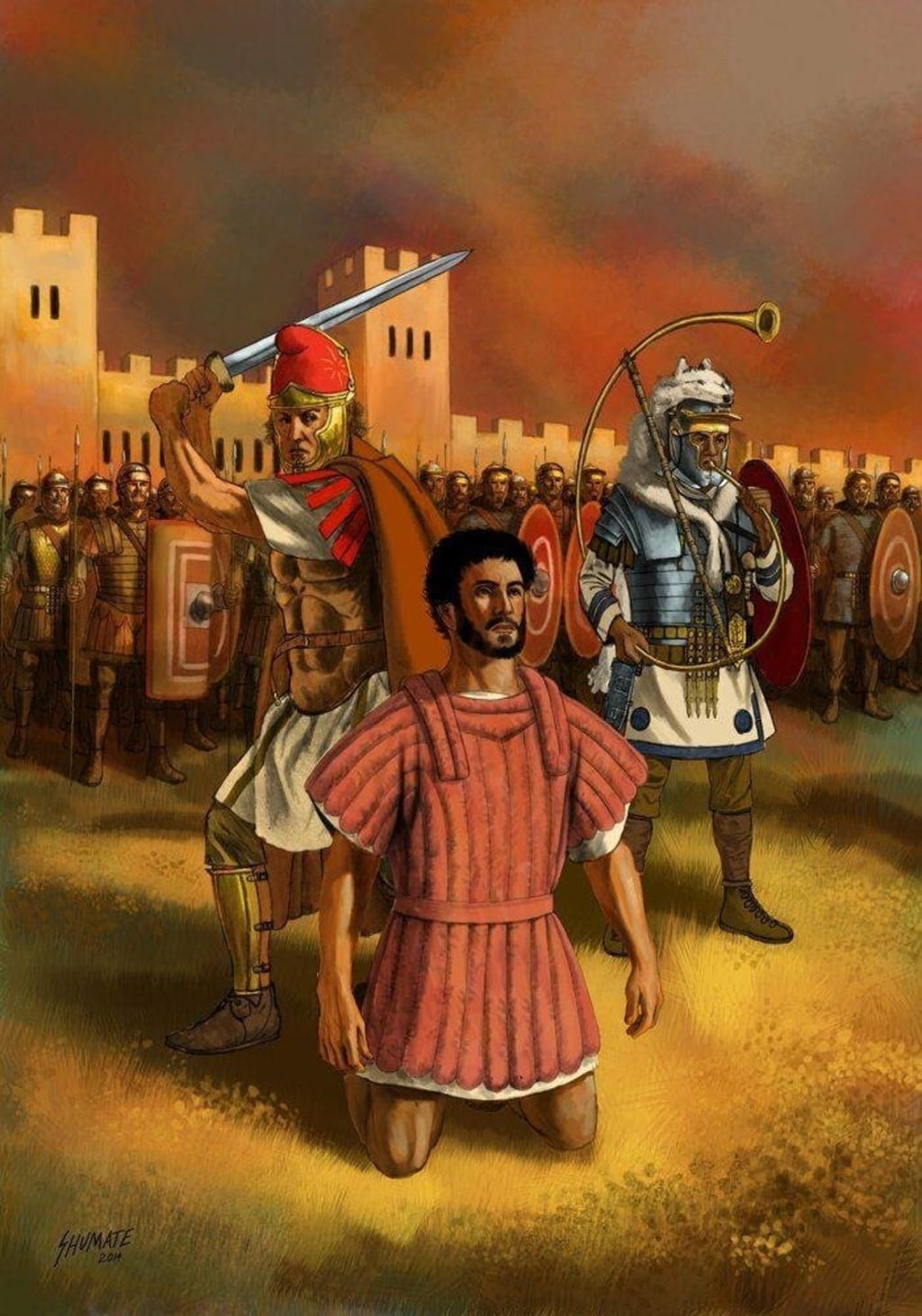
The ancient Romans, known for their formidable military and political dominance, were not just warriors of brute force but also masters of covert intelligence. Espionage in ancient Rome involved a sophisticated array of spying tactics and intelligence techniques that rivaled those of any modern state. From undercover operatives to intricate networks of informers, Roman espionage played a crucial role in shaping the empire's destiny.

The Need for Espionage in Ancient Rome
Romans prided themselves on their military prowess, often claiming victories through superior force and strategic brilliance. However, the need for espionage was ever-present in their relentless quest for expansion and control. Spies provided critical information that helped preempt threats, devise strategies, and secure victories. This blend of brute force and covert intelligence made Rome a formidable power in the ancient world.
Early Intelligence Techniques and Operations
Early Roman espionage primarily involved scouts and informers who gathered information on neighboring tribes. These early efforts were crucial in Rome's wars against the Aequi, Volsci, and Etruscans. For instance, during the Etruscan wars around 300 BC, Consul Q. Fabius Maximus sent his brother, disguised as an Etruscan peasant, to gather intelligence and win over local Umbrians to the Roman cause. This mission's success underscored the value of espionage in achieving military objectives.
Spies and Informants: The Backbone of Roman Intelligence
The Roman state employed various types of spies, including the frumentarii and speculatores, who collected intelligence and conducted covert operations. These agents were essential in both military and political spheres.
- Frumentarii: Originally involved in logistical tasks like grain collection, they evolved into intelligence officers, spying on military and political activities, and even participating in political assassinations.
- Speculatores: These military scouts also acted as couriers and undercover agents, performing a range of duties from delivering messages to executing covert operations.
Notable Espionage Missions in Roman History
Hannibal's Spies
During the Second Punic War (218-201 BC), the Carthaginian general Hannibal was renowned for his use of spies. Hannibal placed spies in Roman camps and even within Rome itself. His ability to disguise himself, forge documents, and send secret communications was legendary. One captured spy had his hands cut off and was released as a warning to others, illustrating the high stakes of ancient espionage.
Scipio Africanus and the Siege of Utica
Roman general Scipio Africanus used espionage effectively during the siege of Utica. Disguised centurions gathered intelligence on the Numidian and Carthaginian camps, which enabled a successful night attack. This operation highlighted the strategic importance of detailed reconnaissance and the clever use of covert operatives.
Intelligence Failures and Lessons Learned
Despite their sophisticated intelligence networks, the Romans experienced notable failures. A significant example is the assassination of Julius Caesar. Caesar received a warning list of conspirators shortly before his assassination, but he failed to act on it. This incident underscores the importance of timely action on intelligence and the limitations of espionage when decision-makers do not heed warnings.
The Evolution of Roman Espionage: From Republic to Empire
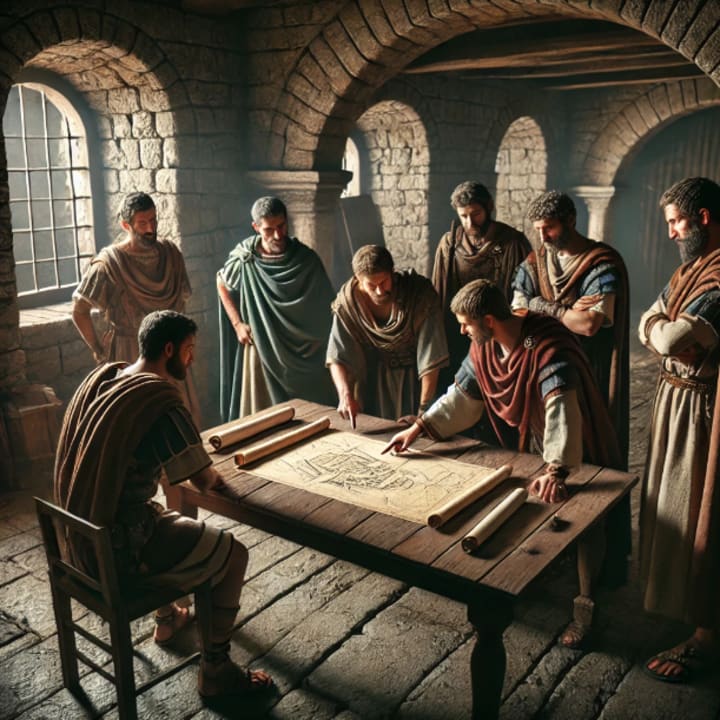
As Rome transitioned from a republic to an empire, its espionage techniques evolved. Augustus, Caesar’s successor, established the cursus publicus, a state-run postal and courier service, which enhanced communication and intelligence dissemination across the empire. This system laid the groundwork for more structured and centralized intelligence operations.
The Role of the Cursus Publicus
The cursus publicus provided a reliable means of transmitting important intelligence. However, the security of this communication depended on the integrity of those involved. For instance, Emperor Caracalla's failure to read a critical warning led to his assassination by his successor Macrinus.
Frumentarii and Agentes in Rebus
Under Augustus and subsequent emperors, the frumentarii were replaced by the agentes in rebus, or "agents of affairs." These civilian agents reported directly to the master of offices, a role that evolved into a de facto minister of information. This system ensured a broader and more organized approach to intelligence gathering and internal security.
Comparison with Modern Espionage Techniques
Though lacking modern technology, Roman espionage shared many similarities with contemporary methods. The use of undercover agents, secret codes, and strategic reconnaissance were as vital then as they are today. Roman techniques like the use of disguised operatives and systematic intelligence collection laid the foundation for modern espionage practices.
Conclusion
Roman espionage was a critical component of the empire's military and political strategy. The covert intelligence techniques and spying tactics developed by the Romans laid the groundwork for modern espionage. Understanding these ancient methods offers valuable insights into the art of intelligence and the enduring legacy of Roman innovation. By blending superior military force with sophisticated espionage, Rome secured its place as one of history's greatest empires.
References and Further Reading
For a more in-depth exploration of Roman espionage, consider the following resources:
- Livy's "History of Rome"
- Polybius' "Histories"
- "The History of Rome" by Theodor Mommsen
- "Espionage and Intelligence Gathering in the Roman World" by Rose Mary Sheldon
About the Creator
Keep reading
More stories from Marveline Merab and writers in History and other communities.
Can We Trust Ancient Texts? Unveiling the Truth Behind Historical Manuscripts
Introduction The trustworthiness of ancient texts has long been a subject of debate among historians, scholars, and enthusiasts. With advancements in technology and archaeology, our ability to scrutinize and verify these texts has improved significantly. But can we really trust these ancient manuscripts? This article explores the methods used to validate historical documents, highlights some notable case studies, and discusses the challenges and controversies surrounding their authenticity.
By Marveline Merababout a year ago in History
Is the U.S. Preparing to Attack Iran?
Is the U.S. Preparing to Attack Iran? Inside the Rising Tensions and Possible Military Pathways In early 2026, tensions between the United States and Iran reached one of their highest points in years. For weeks, dramatic political rhetoric, shifting military postures, and warnings from leaders around the world have fueled alarms that a U.S. military strike against Iran may be imminent. Yet as of now, no confirmed attack has occurred, and the situation reflects a complex mix of pressure, preparation, de-escalation, and diplomatic uncertainty that illustrates how modern conflict can hinge just as much on words and positioning as on direct action.
By Wings of Time 3 days ago in History
No ICE, No KKK, No Fascist USA
"I don't 'do' politics." Politics will do you, regardless. Watching from the sidelines for the last year I can see far too many similarities in the way Trump's ICE Gestapo is to Nazi Germany. Considering the United States just invaded Venezuela and kidnapped their President and his wife I would say we are there.
By Lyvia Jack5 days ago in History



Comments
There are no comments for this story
Be the first to respond and start the conversation.