
Elizabeth I and the Modern Debate on Women in Power
The Virgin Queen’s Legacy

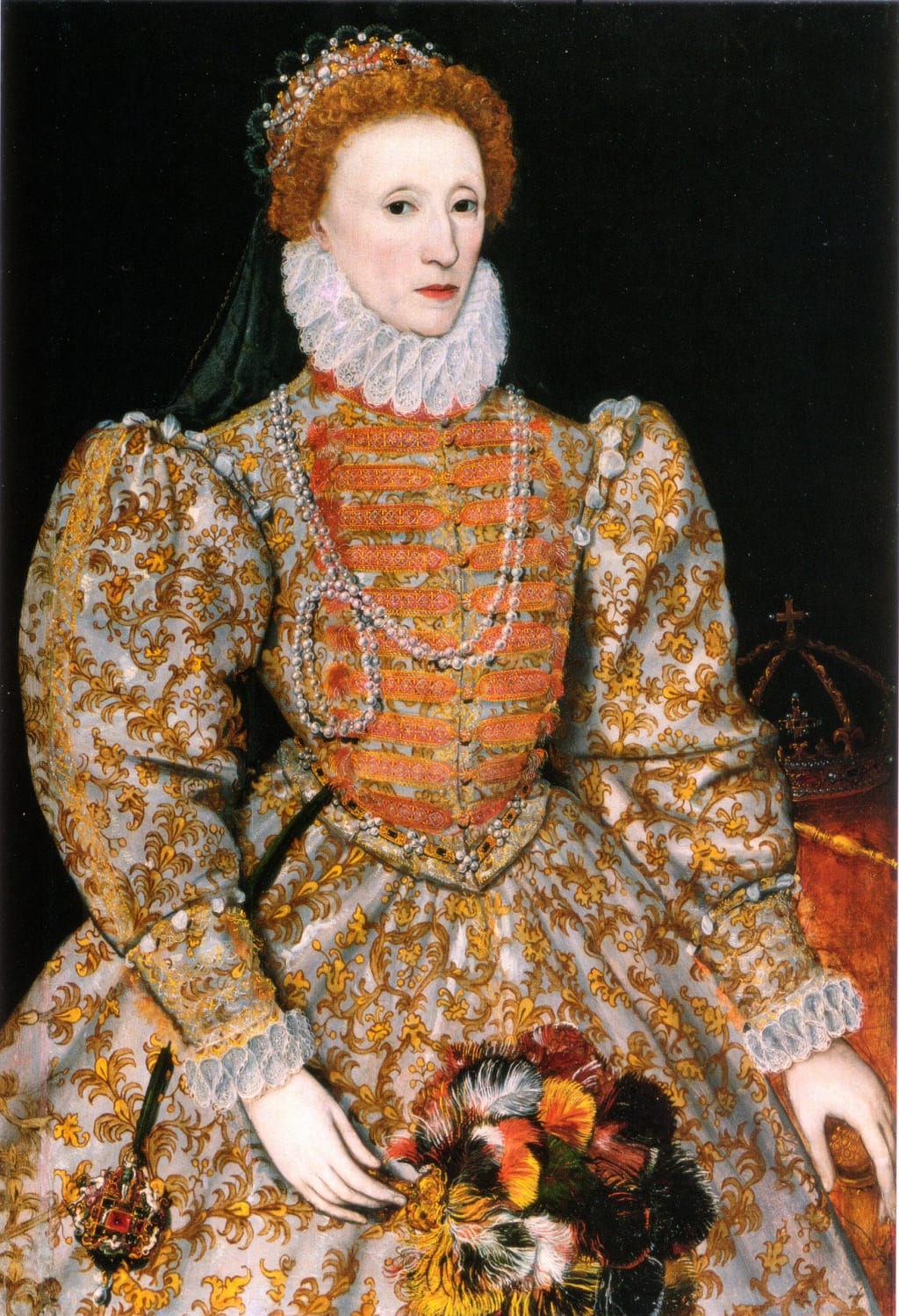
Queen Elizabeth I is one of the most celebrated monarchs in English history, reigning for 45 years and guiding England through a Golden Age of political stability and cultural flourishing. The most remarkable thing about her reign would be that she managed to accomplish all this without ever marrying-a thing virtually unheard of for any female ruler in the 16th century. Living in a time when queens were supposed to marry and produce heirs, Elizabeth dodged marriage ingeniously, preserving her independence and solidifying her position as an iconic woman leader of history.
Her decisions speak volumes today, especially in light of contemporary conflicts over women's competence to lead, against those sexist myths that maintain that women are too emotional or unstable to hold high office.
Defying Expectations: The Significance of Remaining Unmarried
Elizabeth's decision not to marry was highly politicized. She knew that marriage was a danger to her state, all the more so if she had married some foreign prince. Indeed, both her sister, Queen Mary I, and her cousin, Mary, Queen of Scots, each made marriages of strategic alliance that proved weakening to their positions. Queen Mary I married Philip II of Spain, alloying England too closely with Spanish interests. This marriage disturbed her subjects, who were apprehensive that England would be engulfed into Spain's political and religious turmoil. Meanwhile, her cousin Mary, Queen of Scots, married French and Scottish nobles to which she contributed to political instability and her eventual downfall .
Elizabeth, upon witnessing such events, made sure not to commit the same mistake. She recognised also that the foreign husband could undermine her power over English affairs in that she may well be relegated to a secondary status to that of the greater partner. A marriage might also have divided England internally, since factions might have opposed the influence of a foreign consort. By not marrying, she retained control entirely in her own hands and underscored that fact when she referred to herself, proudly, as the "Virgin Queen," wedded to her domain .
Conquering Gendered Criticisms
Elizabeth was a woman, and most expected her to act like one. She had her detractors, of course, who believed that a woman could not rule effectively without a male to support her, and several opponents lashed out at her character using words that were derogatory against her gender, calling her immoral and even less than a woman because of it. Still, Elizabeth could also manipulate such notions. She largely adopted a maternal attitude towards the nation, but simultaneously took on the role of an omnipotent, almost divine monarch who could detect and hear everything, as she indicated through portraiture and public persona.
The juggling between being nurturing and authoritative kept her respectable and in control. Even against military threats, such as the Spanish Armada, Elizabeth rallied her troops with the renowned claim that, though she had "the body of a weak and feeble woman," she possessed "the heart and stomach of a king." By doing this, she denied the belief that women were inherently unapt for leadership.
A Legacy of Female Leadership
Elizabeth's reign set a standard for modern women in leadership positions. While sexist stereotypes say that women are too emotional or unstable-myths used to argue against women taking political positions-the reign of Elizabeth showed the opposite: that she was composed under pressure, able to work her way out of political crises, and that she made some key decisions that would shape the future of England as a world power.
These are criticisms that certainly still echo now, as leaders even in this day and age fall under similar styles of attack regarding their emotional stability or type of leadership. But just as Elizabeth's successful reign proved, women are more than capable of leading with intelligence, strength, and resilience-be it in the 16th century or in the 21st .
Lessons for Modern Leadership
Queen Elizabeth I's calculated avoidance of marriage and her capacity to command authority in a man's world provide critical lessons for today's conversations about women in positions of authority. She dispelled various illusions regarding the capacity of women and proved that emotional restraint and effective governance were not a male monopoly. In the modern-day context, wherein women in politics still have to contend with gendered criticisms, Elizabeth's reign remains to remind one that women can and do lead countries with strength and wisdom.
Her story dares society to question outdated ideas that surround women in leadership and break free from the stereotypes that have them often thinking that leadership is defined not by gender, but by skill, intelligence, and will.
About the Creator
Amanda H
Passionater dreamer, David Bowie fan | Former Dietary Aide, now a multi-tasking, Laundry Operator/Receptionist
Unlocking the Adult Life Lessons of Jim Henson's Labyrinth
1. Believe in Yourself The well known quote “Believe in yourself” is what Sarah in Labyrinth learns at the beginning of Sarah’s journey of self-realization and the path to proving her strength and capabilities in the face of difficult obstacles. By believing in her own unique capabilities, Sarah eventually defeats the Goblin King and takes back her brother. This is an important lesson for everyone—to believe in their own strength and abilities and never give up on the things they care about most.
By Amanda H3 years ago in Motivation
3 Everyday Rules That Exist Because Someone Once Did Something Very Stupid
Everywhere you go, you are surrounded by rules that feel oddly specific. Do not touch. No running. Contents hot. Do not insert body parts. These warnings aren’t theoretical. They weren’t written by pessimists or lawyers with too much free time. They exist because at some point in history, a real human being looked at a situation and thought, “This will probably be fine.”
By Enoch Sagini4 days ago in History
Nanchang: A Modern Symbol of China’s Naval Power
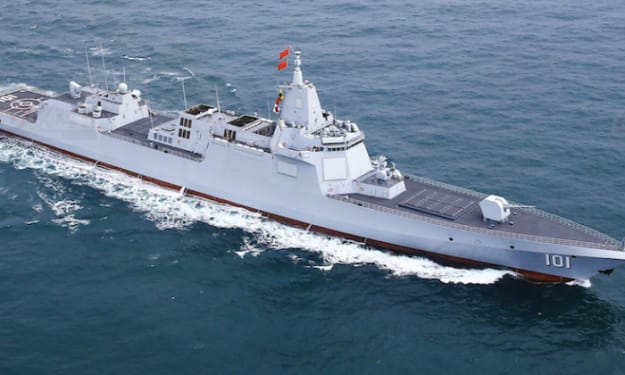
In recent years, the world has closely watched the rapid modernization of the Chinese People’s Liberation Army Navy (PLA Navy). One of the most important symbols of this transformation is the Nanchang (Hull 101), China’s first Type 055 guided-missile destroyer. Commissioned on 12 January 2020, Nanchang represents a major leap in naval technology and capability. As it completes six years of active service, the ship stands as a clear example of how China’s navy has moved into a new era of advanced maritime power.
By sehzeen fatima6 days ago in History



Comments