
Cricket Chronicles: A Storied Saga of Bats, Balls, and Boundaries
Unveiling the Rich Tapestry of Cricket's Evolution, Triumphs, and Global Impact

I. Introduction
Cricket, a sport with a history spanning centuries, has evolved from its medieval origins and references. Its early forms, rooted in bat-and-ball games, paved the way for a sport that has become a global phenomenon.
II. 18th Century: The Emergence of Cricket
A. Growth in England
1. Influence of Nobility and Gentry
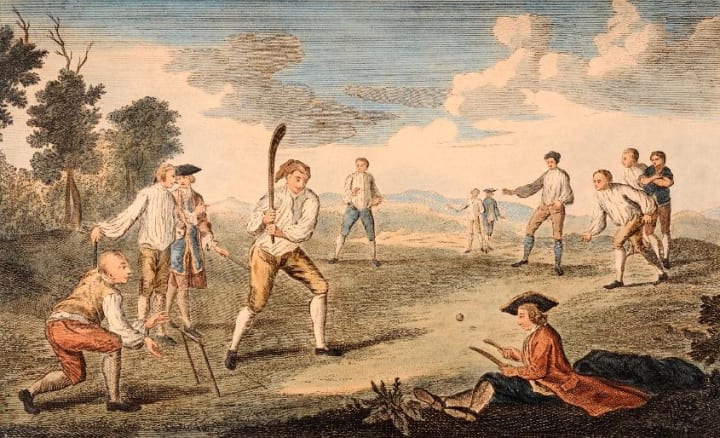
The 18th century witnessed cricket's ascendancy in England, propelled by the patronage of the nobility and gentry. Cricket ceased to be a mere pastime for the masses and became a social event, fostering a sense of camaraderie among the elite. The involvement of the upper classes contributed not only to the popularity of the sport but also to its standardization and organization.
2. Development of Rules and Regulations
At the heart of cricket's growth in the 18th century was the formation of the Marylebone Cricket Club (MCC) in 1787. The MCC became the custodian of the Laws of Cricket, playing a pivotal role in the development and standardization of rules. This era laid the groundwork for a more structured and regulated form of the game.
B. Spread to the British Colonies
1. Introduction to India and the West Indies
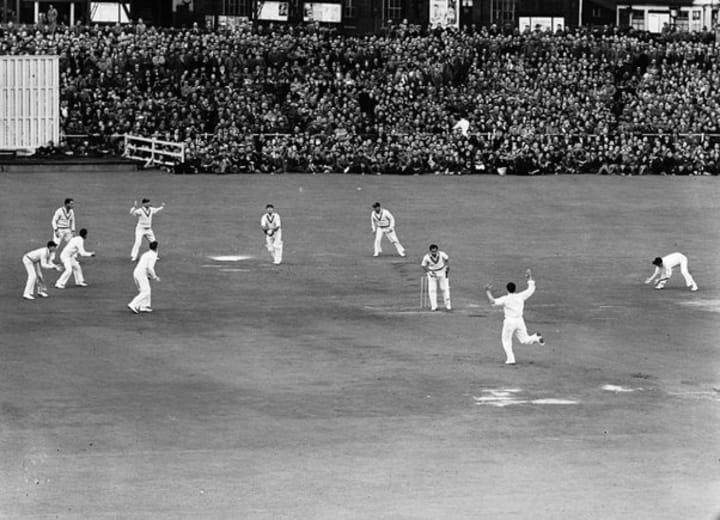
As the British Empire expanded, so did the reach of cricket. In the 18th century, the game made its way to British colonies such as India and the West Indies. British officers and settlers introduced cricket to these regions, where it took root and became an integral part of local cultures.
2. Establishment of Cricket Clubs and Teams
The introduction of cricket to the colonies was accompanied by the establishment of cricket clubs and teams. Local enthusiasts embraced the sport, forming clubs that served as hubs for cricketing activities. This laid the foundation for the global expansion of cricket.
III. 19th Century: The Pioneering Era
A. Formation of the Marylebone Cricket Club (MCC)
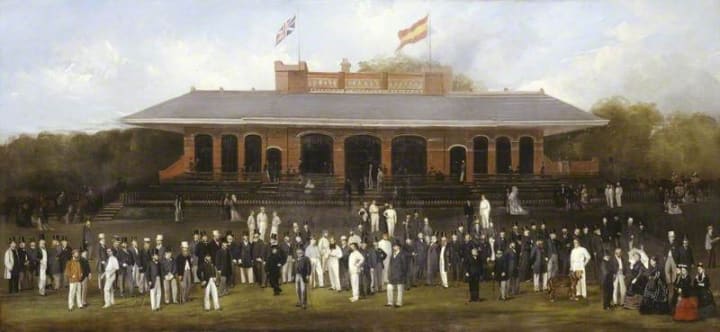
The 19th century saw the MCC continuing to play a central role in cricket's governance, acting as a custodian of the Laws of Cricket and contributing to the sport's formalization.
B. Evolution of Playing Conditions
1. Introduction of Standardized Equipment
The 19th century marked the introduction of standardized equipment, including consistent specifications for bats, balls, and protective gear. This step toward uniformity enhanced fair play and contributed to the technical aspects of the game.
2. Development of Pitches and Playing Surfaces
Playing conditions improved with a focus on developing pitches and playing surfaces. Groundskeepers began to prepare more consistent pitches, influencing the strategic aspects of the game as players adapted to different conditions.
C. International Cricket Begins
1. England versus Australia - The Ashes Series
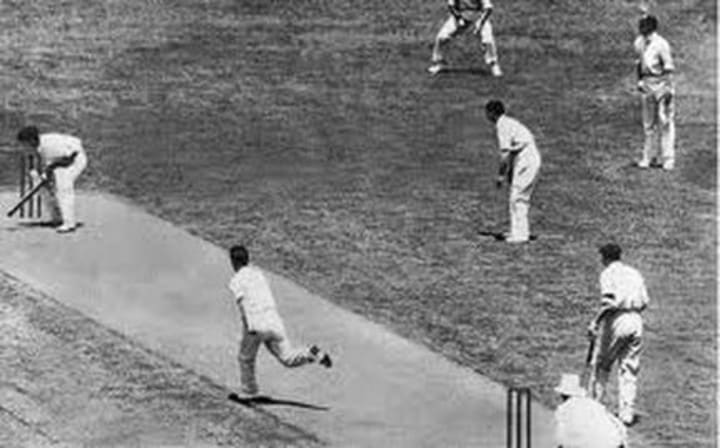
The late 19th century witnessed the birth of international cricket with The Ashes series between England and Australia. The series, originating from a memorable Test match in 1882, became one of the oldest and most celebrated rivalries in cricket.
2. Emergence of Other Cricket-Playing Nations
The late 19th century also saw the emergence of other cricket-playing nations, such as South Africa (1889) and the West Indies (1928). This marked the beginning of a more inclusive era for the sport, setting the stage for a truly global game.
IV. 20th Century: Global Expansion and Modernization
A. The Impact of World Wars
1. Interruptions and Effects on Cricket
The 20th century brought challenges with the impact of World Wars, causing interruptions and significant effects on cricket. Many cricketing nations faced disruptions as players and resources were diverted to wartime efforts.
2. Post-War Revival and Growth
Post-war, cricket experienced a revival and growth. Nations rebuilt their cricketing infrastructure, and the sport regained momentum as a form of entertainment and national pride.
B. The Rise of One-Day and T20 Cricket
1. Introduction of Limited-Overs Formats
The latter half of the 20th century witnessed a paradigm shift with the introduction of limited-overs formats, notably One-Day Internationals (ODIs). This innovation brought a faster and more dynamic style of play, appealing to a broader audience.
2. Commercialization and the Advent of T20 Leagues
Commercialization took center stage with the advent of T20 leagues. The format's popularity soared, attracting global audiences and transforming cricket into a lucrative and widely watched sport.
V. 21st Century: Technological Advancements and Globalization
A. Impact of Technology
1. Use of Decision Review System (DRS)
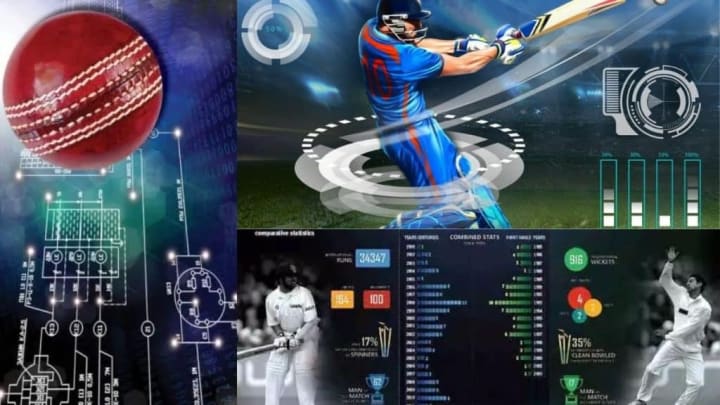
The 21st century saw cricket embrace technology, with the implementation of the Decision Review System (DRS) to ensure fair play. The DRS allows players to challenge on-field decisions, adding a layer of precision to officiating.
2. Role of Analytics and Data in Cricket
Data analytics became integral to cricket, providing teams with insights into player performance, strategy, and game trends. The use of data transformed how teams approach training, tactics, and player selection.
B. Globalization of Cricket
1. Expansion of International Tournaments
International tournaments expanded, providing more opportunities for teams from around the world to compete. Events like the ICC Cricket World Cup and ICC World T20 showcased cricket's global appeal.
2. Growth of Cricket in Non-Traditional Cricketing Nations
Cricket grew in non-traditional cricketing nations, with more countries participating in international competitions. This expansion contributed to the diversity of cricket and widened its global footprint.
VI. Contemporary Challenges and Developments
A. Issues in the Administration of Cricket
1. Governance and Corruption Scandals
The 21st century brought challenges in the administration of cricket, including governance issues and corruption scandals. These incidents raised questions about the transparency and accountability of cricketing bodies.
2. Efforts for Transparency and Accountability
Efforts were made to address these challenges, with a focus on improving transparency and accountability within cricket administration. Reforms and initiatives were introduced to restore confidence in the governance of the sport.
B. Evolution of Playing Styles and Strategies
1. Influence of T20 on Batting and Bowling Techniques
The rise of T20 cricket influenced batting and bowling techniques. Aggressive and innovative approaches became prevalent, as players adapted to the fast-paced nature of T20 matches.
2. The Balance Between Traditional and Modern Cricket
Cricket found itself at a crossroads, balancing traditional techniques with modern innovations. Teams sought the right equilibrium to succeed in different formats while preserving the essence of the game.
VII. Conclusion
A. Cricket as a Global Phenomenon
Cricket has transcended cultural and geographical boundaries, becoming a global phenomenon that unites nations and diverse communities. Its rich history, marked by evolution and innovation, has contributed to its widespread appeal.
B. Future Trends and Developments
1. Technological Innovations
The future of cricket holds exciting possibilities with ongoing technological innovations. Advances in equipment, stadium technologies, and player monitoring systems are expected to shape the game's future.
2. Expansion of Cricket's Footprint Around the World
Cricket's global footprint is poised to expand further, with efforts to introduce the sport in non-traditional cricketing nations. Initiatives aimed at inclusivity and accessibility are likely to make cricket more diverse and accessible worldwide.
About the Creator
Keep reading
More stories from writers in History and other communities.
The Year 1945 in Review: Fun Facts, Trivia, and Historic Highlights
This quick read is a collection of fun facts, trivia, and historic events from the year 1945. Discover the year’s top news stories, most influential people, notable inventions, sports facts, the cost of living, entertainment trivia, and much more.
By Gregory DeVictor7 days ago in History


Comments
There are no comments for this story
Be the first to respond and start the conversation.