
Crail: A Timeless Village in the East Neuk of Fife
Medieval Structure

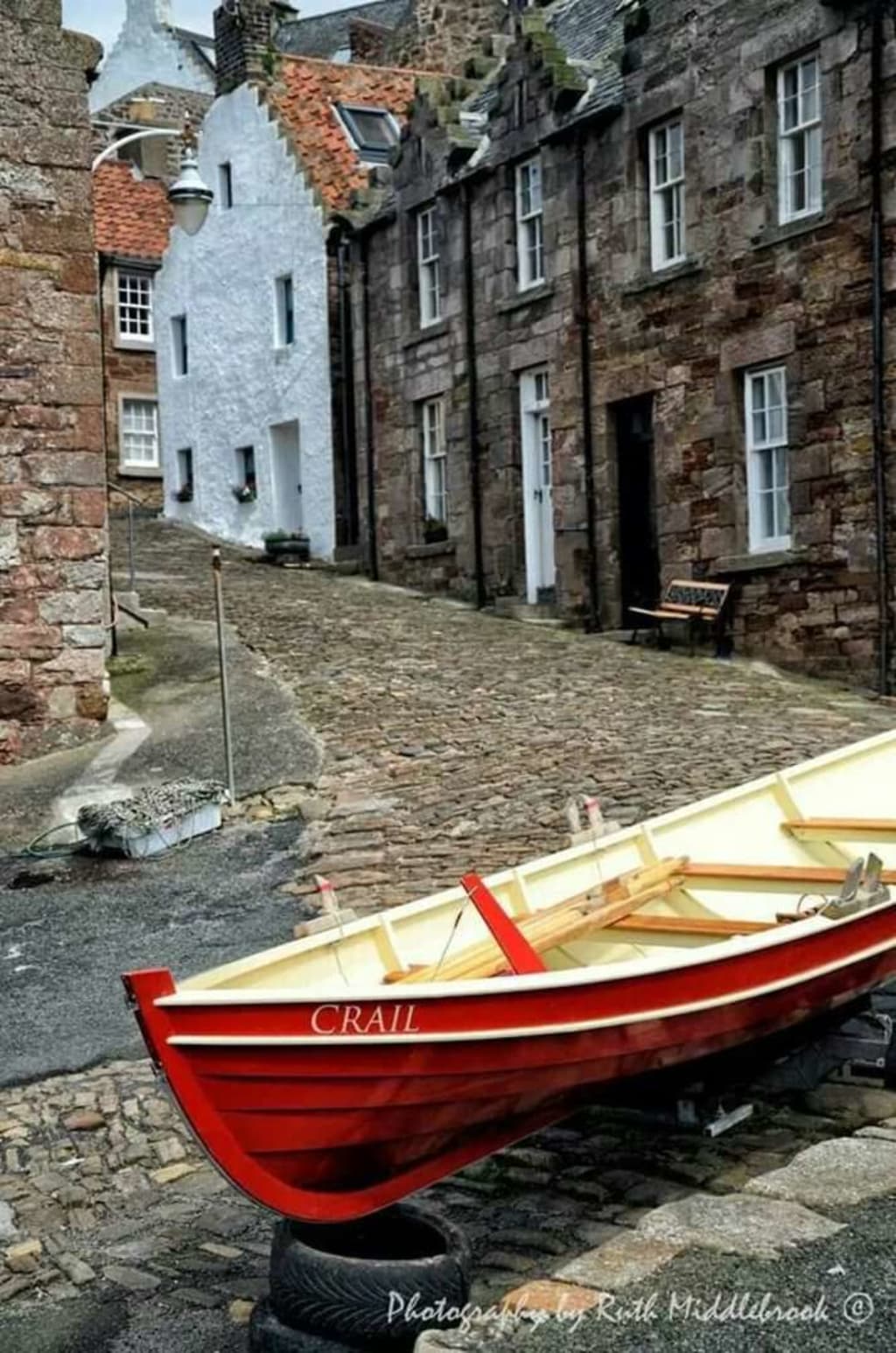
Nestled along the rugged coastline of the East Neuk of Fife, Scotland, lies the enchanting village of Crail, a place steeped in history and charm. With origins tracing back to the Pictish period, this picturesque settlement has evolved over centuries into a haven for history enthusiasts, artists, and travelers seeking a glimpse of Scotland’s rich heritage. From its name derived from the Pictish word caer, meaning "stronghold," to its cobbled streets and 17th-century architecture, Crail is a captivating blend of the past and present.
A Glimpse into Crail’s History
Crail’s roots stretch deep into ancient history, with its Pictish name hinting at its significance as a fortified settlement. The village’s strategic location along the Firth of Forth made it an important hub for trade and defense. During medieval times, Crail flourished as a royal burgh, granted its charter by King David I of Scotland in the 12th century. This status brought prosperity, with merchants trading goods such as fish, wool, and salt.
One of the village’s most notable historical landmarks is the Parish Church of St. Mary the Virgin, a stunning structure that dates back to the 13th century. This church, one of the oldest in Scotland, is a testament to Crail’s enduring significance. Its medieval architecture and beautifully preserved features, including a Norman-style doorway and intricately carved gravestones, provide a window into Scotland’s ecclesiastical history.
The Natural Harbor and Fishing Heritage
Crail’s natural harbor is the heart of the village and has played a central role in its history. Sheltered by rocky cliffs, the harbor has been a vital center for fishing and trade since ancient times. In the 16th century, Crail’s fishermen were renowned for their skills, and the village became famous for its "Crail Capons" — a local term for dried haddock. This delicacy was highly sought after and contributed to Crail’s reputation as a thriving fishing port.
Today, the harbor retains its traditional charm, with brightly colored fishing boats bobbing in the water and the surrounding cottages exuding an old-world charm. Visitors can enjoy fresh seafood at local eateries or simply take in the serene beauty of the harbor, which has inspired countless artists and photographers over the years.
17th-Century Architecture and Restoration Efforts
One of Crail’s defining features is its collection of 17th-century buildings, many of which have been carefully restored to preserve their historical character. The narrow, winding streets are lined with charming cottages, some adorned with red-tiled roofs and whitewashed walls, reflecting the influence of Dutch architecture. These buildings are not only a testament to the village’s rich history but also a reminder of the importance of conservation.
The National Trust for Scotland has played a significant role in restoring and maintaining many of Crail’s historic structures. Through their efforts, visitors can step back in time and experience the village as it might have appeared centuries ago. Walking through Crail feels like exploring a living museum, where every corner reveals a story waiting to be discovered.
Exploring Crail’s Modern-Day Appeal
While Crail is deeply rooted in history, it is also a vibrant community that offers modern-day attractions for visitors. The Crail Museum and Heritage Centre is a must-visit for anyone interested in learning more about the village’s past. From exhibits on its Pictish origins to displays highlighting its maritime history, the museum provides a comprehensive overview of Crail’s development over the centuries.
Art lovers will find inspiration in Crail’s thriving creative scene. The village is home to several galleries showcasing the works of local artists, many of whom draw inspiration from the stunning coastal scenery. During the annual Crail Festival, the village comes alive with music, theater, and art, celebrating its cultural heritage and community spirit.
For those who love the outdoors, Crail offers breathtaking views and opportunities for exploration. The nearby Fife Coastal Path, a long-distance walking trail, provides a chance to discover the East Neuk’s dramatic coastline, dotted with hidden coves and sandy beaches. Golf enthusiasts can also enjoy a round at the Crail Golfing Society, one of the oldest golf clubs in the world, with courses offering spectacular sea views.
Culinary Delights and Local Flavors
No visit to Crail is complete without indulging in its culinary delights. The village’s seafood is a highlight, with freshly caught lobster, crab, and haddock featured prominently on menus. Local cafés and restaurants serve up traditional Scottish fare alongside contemporary dishes, ensuring there is something for every palate.
Visitors can also explore Crail’s charming shops, where they can find everything from handmade crafts to locally produced goods. The Crail Food Festival, held annually, is a celebration of the region’s gastronomic offerings, attracting foodies from near and far.
Conclusion: A Village That Transcends Time
Crail is more than just a village; it is a journey through time. From its Pictish origins and medieval prosperity to its modern-day appeal, Crail encapsulates the essence of Scotland’s rich heritage. Whether you are drawn to its historical landmarks, stunning coastal scenery, or vibrant community spirit, Crail offers an unforgettable experience for every visitor.
As you wander its cobbled streets and gaze out over the North Sea, you can’t help but feel a deep connection to the generations that have called this village home. Crail is a place where history lives on, inviting you to pause, reflect, and immerse yourself in the timeless beauty of Scotland’s East Neuk.
About the Creator
Keep reading
More stories from Deji Akomolafe and writers in History and other communities.
Hellens Manor: A Historic Gem in the Heart of Herefordshire
Nestled amidst the serene countryside of Herefordshire, Hellens Manor is a remarkable testament to England's rich history and cultural heritage. As one of the oldest continually inhabited dwellings in the country, this stately home has witnessed centuries of change, from the medieval period to the present day. With its storied past, architectural beauty, and well-preserved artifacts, Hellens Manor offers visitors a unique window into the lives and times of its many occupants.
By Deji Akomolafeabout a year ago in History
The Catastrophic Aftermath of the Dinosaur-Killing Asteroid
Approximately 66 million years ago, the Earth experienced one of the most dramatic and catastrophic events in its history: a massive asteroid, now identified as the Chicxulub impactor, collided with the planet near what is today the Yucatán Peninsula in Mexico. Measuring roughly 10 kilometers in diameter, this space rock unleashed energy equivalent to billions of atomic bombs, marking the end of the Cretaceous period and triggering a chain of events that wiped out approximately 75% of all species on Earth, including the iconic non-avian dinosaurs.
By Irshad Abbasi a day ago in History


Comments
There are no comments for this story
Be the first to respond and start the conversation.