
China hits back at Trump tariff hike, raises duties on US goods to 125%
China hits back at Trump tariff
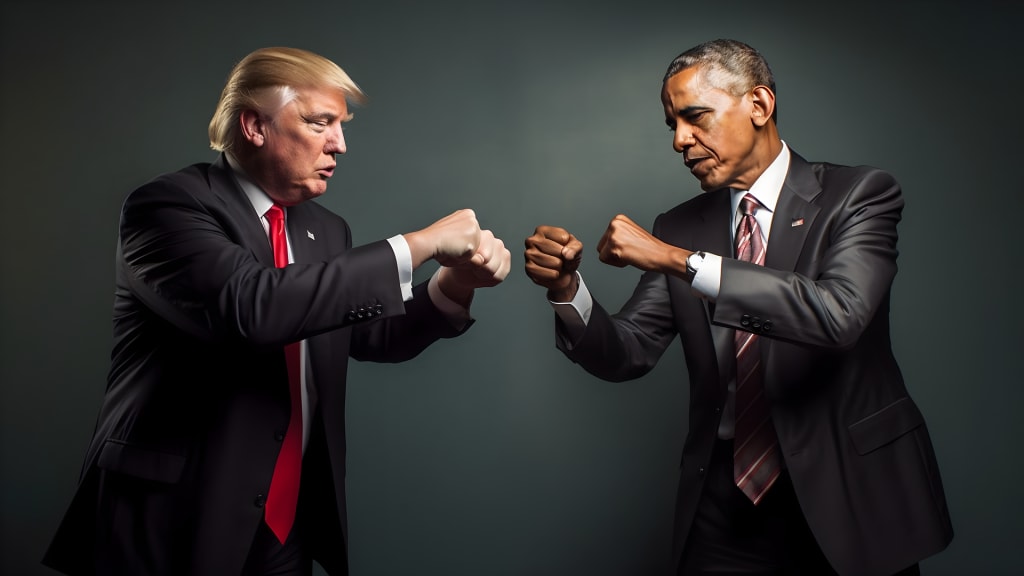
On April 11, 2025, China announced a significant escalation in its trade dispute with the United States by raising tariffs on U.S. imports from 84% to 125%. This move directly retaliates against President Donald Trump's earlier decision to increase tariffs on Chinese goods to 145%
The Chinese Finance Ministry branded the U.S. action as unilateral bullying and coercion as well as a violation of international trade regulations. Chinese officials emphasized that at the current tariff levels, there is no longer a viable market for U.S. products in China and warned of further countermeasures if necessary
The escalation has had immediate effects on global financial markets. Gold prices surged to a new record, the U.S. dollar fell to a multi-year low, and U.S. stock futures fell. European and Asian markets also experienced significant losses, with Japan's Nikkei index dropping over 5%
Chinese e-commerce giant JD.com announced a 200 billion yuan. fund to assist Chinese exporters in shifting their focus to domestic markets in response to the increased tariffs. Additionally, the current tariff uncertainty has caused some international businesses, such as the Character Group, based in the United Kingdom, to withdraw their annual forecasts. China's Finance Ministry said that this would be the last time it would raise tariffs in response to the United States' actions, but it also said that it might take other measures if its interests were still being violated. Potential measures include reducing the number of Hollywood films allowed for release in China and limiting import/export rights for several U.S. companies
This indicates a significant intensification of the ongoing trade war between the two largest economies in the world, which may have implications for the stability of the global economy and supply chains. China Increases American Tariffs Goods Amid Escalating Trade War
What's Going On:
China raised tariffs on a wide range of U.S. goods from 84% to 125% in retaliation to President Trump’s earlier move to hike tariffs on Chinese imports to 145%.
This marks one of the sharpest escalations in the ongoing trade war between the two economic giants since Trump returned to office.
China's Stance:
China’s Finance Ministry called the U.S. actions "unilateral bullying" and accused the U.S. of violating WTO trade rules.
Officials said this hike might be their final tariff increase in this conflict—but they also threatened "other measures" if U.S. aggression continues.
Some additional options include:
• Restricting Hollywood film releases in China.
• Restricting American businesses' access to the Chinese market.
Global Responses:
Across the board, markets plummeted:
• Over 5% of the Nikkei fell.
• Gold hit a new all-time high.
• U.S. dollar sank to a multi-year low.
Companies are adjusting:
• JD.com launched a $200 billion fund to assist Chinese exporters in shifting their focus to domestic markets.
• Character Group (UK toy firm) withdrew financial forecasts due to the uncertainty.
Impact:
• The tariffs are affecting everything from agriculture to tech—key U.S. exports like soybeans, autos, electronics, and aircraft now face an uphill battle in China.
• With these massive duties, many U.S. products are now effectively priced out of the Chinese market.
• Global supply chains are being reshuffled, and companies are exploring alternative markets or considering reshoring operations.
- Global Economic Impact
The trade tensions have disrupted global supply chains, prompting multinational companies to reconsider their manufacturing and sourcing strategies. Some firms are relocating production out of China to mitigate tariff impacts, while others are absorbing increased costs or passing them on to consumers.
The International Monetary Fund (IMF) warns that these trade tensions could reduce global GDP by 0.8% in 2025, with countries heavily reliant on trade, such as Germany and South Korea, feeling the effects most acutely.
About the Creator
Keep reading
More stories from writers in History and other communities.
When the Pyramids Learned to Breathe
The desert was silent in the way only ancient places can be—not empty, but listening. At dawn, the first light touched the limestone faces of the pyramids, and the shadows they cast stretched long and deliberate, as if time itself were waking slowly. To the west, beyond the city’s dust and noise, the old giants stood where they always had, unmoved by centuries, untouched by doubt.
By LUNA EDITH8 days ago in History
Talleyrand: The Master Survivor
Few figures in history embody strategic survival as perfectly as Charles-Maurice de Talleyrand-Périgord. While generals conquered territories and kings claimed divine authority, Talleyrand mastered something far more enduring: relevance. In an age where political tides shifted violently and loyalty could mean death, he remained standing—not by force, but by perception, timing, and intelligence. He did not dominate history. He outlasted it.
By Fred Bradforda day ago in History
10 Times Rotten Tomatoes and I Disagreed
***Disclaimer*** I will be ranking these movies in the following manner: The greater the divide between Rotten Tomatoes and I, the higher up on the list (and I am referring to the critic's score, not the audience score). I will also show Rotten Tomatoes' score on each one in addition to my score. I am curious to know what everyone thinks, please let me know in the comments below!
By Madison "Maddy" Newton2 days ago in Geeks


Comments
There are no comments for this story
Be the first to respond and start the conversation.