
Bohemian glass makers-The Reidel family.
King of glass


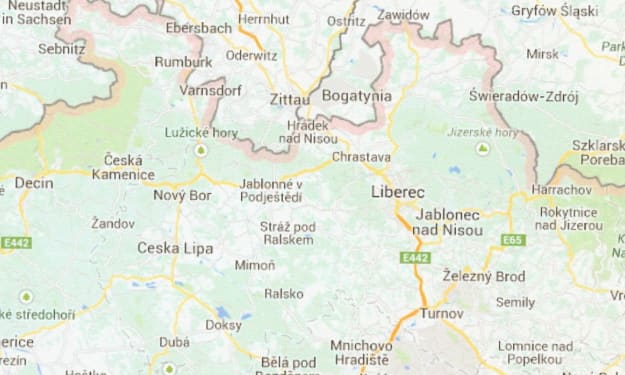
The Riedel family and its affiliation with glass can be traced back to Johann Christoph Riedel (born 1678) 1st generation who became known as the “Ur Riedel” – meaning the original Riedel. Johann came from Zahradky (Neuschloss) in Ceska Lipa Raj, in a town called Pavlovice near Haida (Novy Bor). In 1723, Johann Christoph Riedel was murdered as he returned from his travels as a glass trader, the two murderers believing him to be carrying a lot of money. Johann Christoph’s story became famous, being retold all around Bohemia, from generation to generation. The circumstances of his death are identical to the murder described by Friedrich Schiller in “The Cranes of Ibykus”, written in 1895, and it is thought that the terrible story may have inspired the great author.
The Riedel story of glassmaking, however, goes back over 250 years, when the first Riedel glassworks was established in a northern Bohemian forest.
Johan Carl Riedel (1701 – 1781)(2nd generation) lived in Falkenau, near Haida, and was a glass painter. In 1753 he moved to Antoniwald. It wasn’t until 1756 that Johann Leopold Riedel (1726 – 1800) (3rd generation) was able to operate his own independant glassworks in Antoniwald, after paying off the loan from a local
Johann Leopold Riedel.
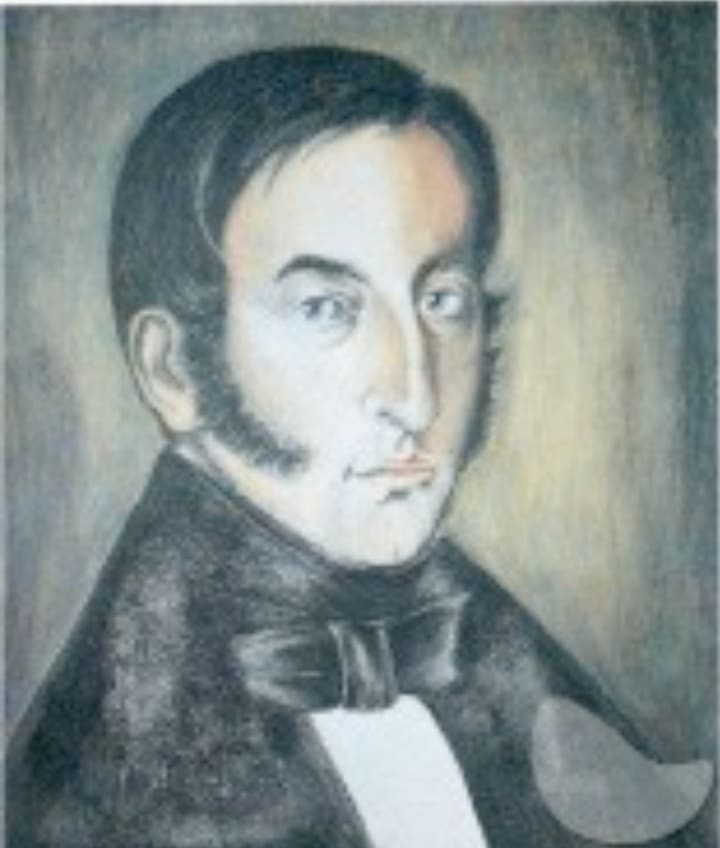
Hardly was the new glassworks finished in 1775, in Christianthal, and production flourishing, when a new crisis loomed on the horizon – the Bavarian War of Succession, where the Prussians went marauding through the countryside, torching other glassworks in the Jizera mountains.
Johann Leopold’s typical Riedel character showed through, as he ignored all personal danger and threats to his business, and sheltered several families from Prussian-occupied towns and villages in the area.
At this time the Riedel Glassworks produced mainly hollow glass products.
After the death of his father Johann Leopold’s eldest son Anton Leopold (4th generation), 1761 – 1821, continued the main branch of the Riedel family. He took over the Neuwiese glassworks with a similar verve for the business as his father, owning it himself from 1795. Prosperous times were interrupted by the Napoleonic Wars, which crippled international trade, leading to a stagnation in sales, and ultimately a depreciation in currency. Anton Leopold then set about experimenting. A glass enhancement works was his next project, producing crystal and hollow coloured glass, perfume bottles and chandelier parts. Some of the first costume jewelry components were made here as well. In 1809 he founded a glass refinery business near Haida for production of cut, engraved and painted hollow glass.
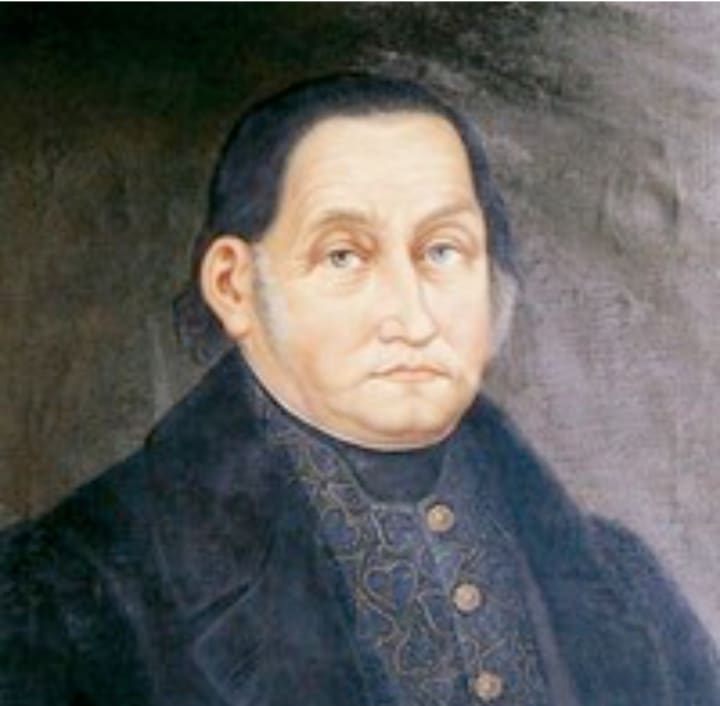
Johann Leopold Riedel.
At this time the Riedel Glassworks produced mainly hollow glass products.
Franz Xaver Anton (5th generation) demonstrated an extraordinary talent for engraving, and became a gifted glass artist.
When Anton Leopold died in 1821, his son Franz Xaver Anton (1786 – 1844) faced rosier times. The economy was picking up and the fashionable Biedermeier style with its romantically idealized watercolours, suited the Bohemian glass makers well. They were heading for a new boom.
Franz Xaver Anton (5th generation) demonstrated an extraordinary talent for engraving, and became a gifted glass artist.Franz Xaver Anton, proved to have the typical Riedel head for business, as well as a tremendous amount of artistic flair – a rare combination! From 1814 until 1821 he managed his father’s glassworks at Neuweisse, then became the leaseholder of the Zenkner Glassworks in Antoniwald. In 1829 he founded his own glassworks in Wilhemshohe. He produced hollow glass and rods for the production of costume jewelry. Franz Xaver Anton’s era can be seen as a link between the old forest glassworks and modern industrial production as we know it today. The demand for fancy beads, buttons and jewellery, known as “notions” became widespread, and soon the production for these notions was running at full capacity. Better glass quality and the development of interesting new colors such as yellow and green uranium glass called Annagelb and Annagrun after his daughter, put him firmly on the cutting edge of the glass industry.
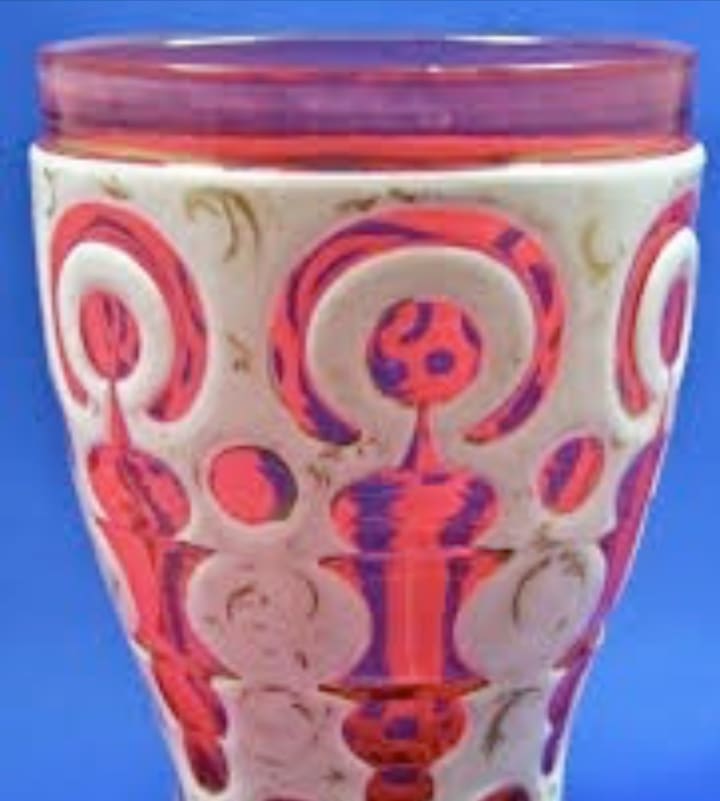
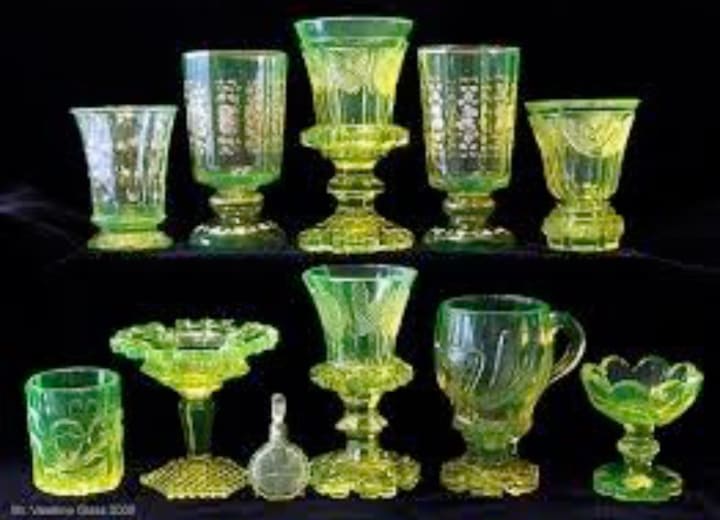
When Anton Leopold died in 1821, his son Franz Xaver Anton (1786 – 1844) faced rosier times. The economy was picking up and the fashionable Biedermeier style with its romantically idealized watercolours, suited the Bohemian glass makers well. They were heading for a new boom.
Franz Xavier Anton had a flourishing stable business, but no male heir, only his beloved daughter Anna a woman was unthinkable. So, in 1830, Franz Xaver Anton brought his 14 year old nephew Josef Riedel (1816 – 1894) into the business. The sixth generation Josef works his way up through the company, willingly taking on any chore in order to immerse himself fully in the workings of a glassworks. Four years before the death of Franz Xaver in 1844, the Riedel dynasty’s line of succession was solved by the young Josef marrying his cousin Anna Maria, Franz Xaver’s daughter.

In 1849 he expanded the business further with the purchase of another glassworks.
Josef Riedel became known as the Glass King of the Jizera mountains, and everything was going well in his life until his beloved wife Anna Maria was to die in 1855 at the age of 36, leaving four children.
Such was his grief, that Josef could not remain in Antoniwald, but instead re-located to his new works in Unter-Polaun, where he threw himself into his work.
In 1859, Josef married Johanna Newinger, and in 1866 he began the construction of another works next to the one in Wilhelmshöhe to replace the original Antoniwald Zenkner works. By 1858 he owned eight glassworks, two textile factories and coalmines. His glassworks produced mainly glass jewelry beads and chandelier parts, but from 1873 luxury hollow glass products as well.The business expanding further and further and his four sons, Otto, Hugo, Wilhelm and Josef (the fourth son was from his second marriage) began working in this large-scale business, although Josef Senior showed no signs of slowing down himself.
He introduced gas furnaces, which were fed by coal and therefore put an end to the strip logging of forests. The Glass King was decades ahead of his time.
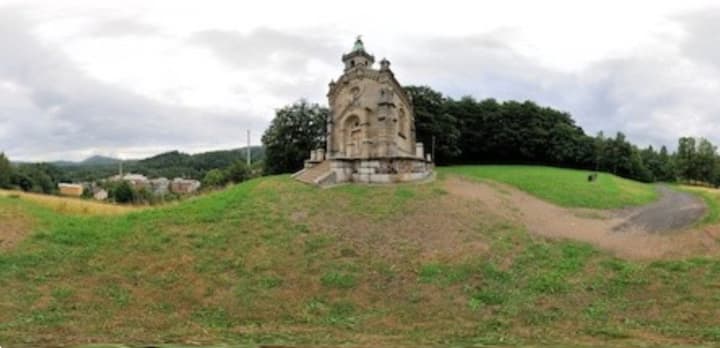
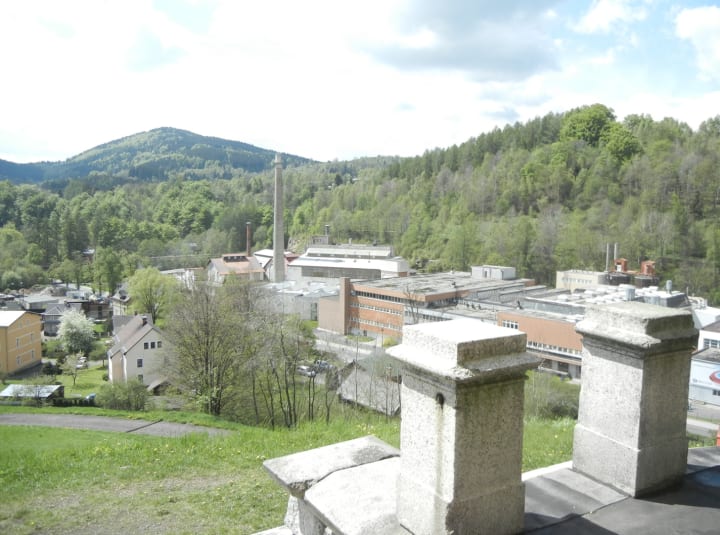
Mausoleum of Josef Riedel in Desna.
The mausoleum sits on a hill overlooking his glass factory and his mansion Riedelova Vila, now owned and run by PreciosaOrnela and the villa is a museum.
He did not stop working until his death in 1894, leaving his son Josef Riedel Junior (1862 – 1924), 7th generation, a glass empire unrivalled in the world.
He decided to plough his own furrow and not try to emulate his father, concentrating on other areas of the business, where he could become established in his own right. In 1895 he registered the first Riedel logo.
One thing he shared with the Glass King was a great love for glass, and dedication to innovation.
Josef Junior succeeded in developing a machine that mechanized the drawing-out rods and tubes necessary for the production of beads from one to four millimetres – known as seed beads today.(a milestone in the history of glass production.) He also produced bangles and pressed glass beads.
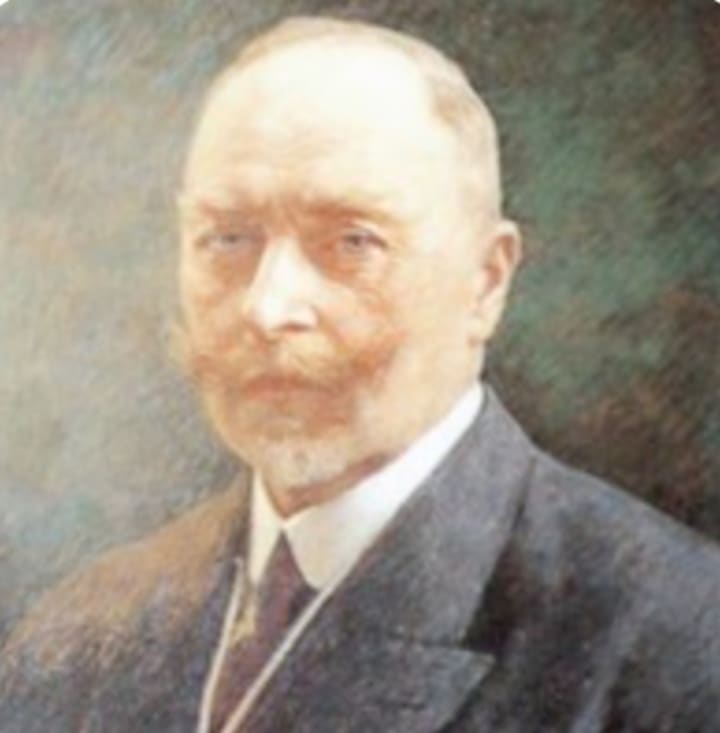
Josef Riedel Junior died in 1924.
Walter Riedel,(1895 – 1974) eighth generation, experienced the greatest imaginable highs and lows:
From being one of Europes greatest industrialists, he was to endure ten years internment in Russia.
On his return from service as an artilleryman in Italy in World War One, Walter began to work in his father’s company, taking the helm on Josef’s death in 1924.
There was a global depression in the 1920s culminating in the crash of the New York Stock Exchange in 1929, after which national protectionism in Germany spread, with exports shrinking and unemployment growing.
Shortly after the war broke out, Walter began making fine, spinnable fibreglass for the production of rope wool.
Another industrialist, Werner Schuller developed a new method for spinning fibreglass without platinum, which was patented.
The Ministry of Aviation recognised a military application for this material, and more or less coerced Riedel and Schuller to enter a joint venture to produce it.
Three weeks after being asked, Walter Riedel turned up in Berlin with a 76 centimetre tube, astonishing the military with his technical wizardry and for which he was later to pay with ten years of his life.
The end came for the Riedel Glass Company in May 1945, with Hitler losing the war and when the Russians marched into Poland from the north and Czech partisans swept in from the south.
The bodies of Josef Riedel and other family members buried in the mausoleum were disinterred and placed in a nondescript family burial plot in a cemetery in Horni Palubny under the sole name Riedel. A glass cross was the only adornment.
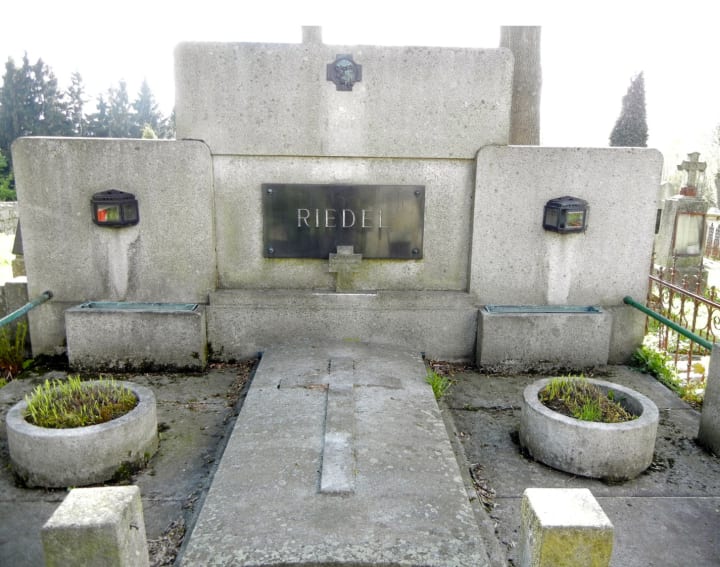
The mausoleum was ignored and neglected.
Walter Riedel received an order from the new Czechoslovakian government to continue to run the now nationalised company – the entire Riedel fortune was claimed by the state – two hundred years and eight generations of work disappeared virtually overnight. 16 days after the US dropped the atomic bomb on Hiroshima, Walter Riedel was taken into custody, and was sent to a camp in Eastern Siberia, thereafter being transferred to Russia as a “forced contractor”, where at first he helped to rebuild Russian glass factories. When his five-year contract was up, Walter tried to leave, but the Russians had other plans. He appealed to the Austrian Embassy in Moscow, only to be arrested as a spy for allegedly telling the Embassy about his work – he was sentenced to 25 years imprisonment. After Stalin’s death and German chancellor Adenauer’s great efforts on behalf of prisoners of war, however, he was able to return home in 1955.
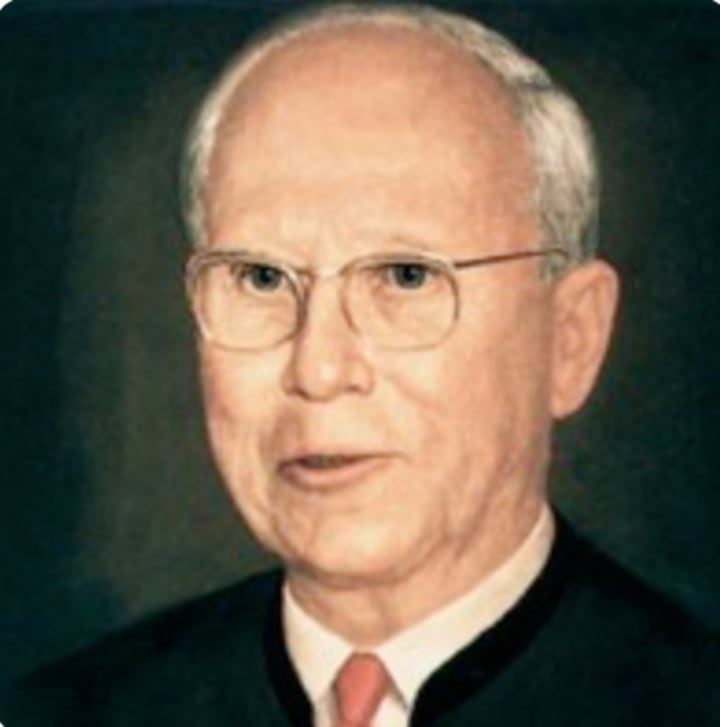
While Walter was in Russia, his son Claus, 1925 - 2004 (ninth generation, was deported from Czechoslavakia along with all the other Sudeten Germans in 1945, and ended up in Austria.
Walter Riedel received an order from the new Czechoslovakian government to continue to run the now nationalised company – the entire Riedel fortune was claimed by the state – two hundred years and eight generations of work disappeared virtually overnight. 16 days after the US dropped the atomic bomb on Hiroshima, Walter Riedel was taken into custody, and was sent to a camp in Eastern Siberia, thereafter being transferred to Russia as a “forced contractor”, where at first he helped to rebuild Russian glass factories. When his five-year contract was up, Walter tried to leave, but the Russians had other plans. He appealed to the Austrian Embassy in Moscow, only to be arrested as a spy for allegedly telling the Embassy about his work – he was sentenced to 25 years imprisonment. After Stalin’s death and German chancellor Adenauer’s great efforts on behalf of prisoners of war, however, he was able to return home in 1955.
While Walter was in Russia, his son Claus, 1925 - 2004 (ninth generation, was deported from Czechoslavakia along with all the other Sudeten Germans in 1945, and ended up in Austria.
Claus had landed 17 kilometres from the village where one of his fellow prisoners lived. He walked to the village through the snow in his thin cotton prison uniform, until he reached the village, where he was given a warm welcome.
The head of the local glassworks, Swarovski, had heard that there was a Riedel in town and asked to see him. Swarovski had been taught the art of glass making by Claus’s great grandfather Josef, and took Claus under his wing like a son, even sending him to university to study chemistry.Claus had landed 17 kilometres from the village where one of his fellow prisoners lived. He walked to the village through the snow in his thin cotton prison uniform, until he reached the village, where he was given a warm welcome.
The head of the local glassworks, Swarovski, had heard that there was a Riedel in town and asked to see him. Swarovski had been taught the art of glass making by Claus’s great grandfather Josef, and took Claus under his wing like a son, even sending him to university to study chemistry.
Claus Riedel, now married to Italian Adia, whom he had met in Italy during the war, moved around doing various jobs between 1951 and 1956, ending up in Innsbruck, Austria. This was around the time that the Swarovskis were approached to take over a glass works in the small town of Kufstein near Innsbruck in Austria, but they declined as the production of stemware
did not fit their
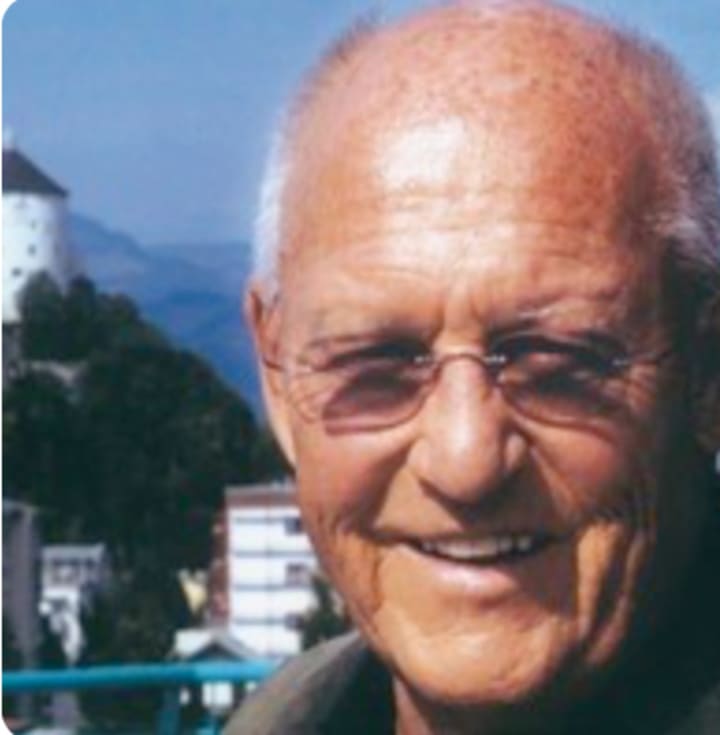
Claus had no capital to buy the glassworks, but the Swarovski’s advanced him the money, and Claus Riedel took over the bankrupt Tiroler Glashütte, today’s Riedel factory.
In 1955, Walter was released from Russian internment and re-united with his son in Austria. After a period of readjustment, Walter threw himself into the new business with his son, but they had quite different ideas in terms of priorities – Claus was very keen on the production of stemware and Walter preferred high output items. This led to an inevitable conflict. Such conflict between the two generations was considered very healthy in the Riedel family, leading to the family motto – “stoke the fire, don’t save the ashes”.
The Riedel glass works had a brand new direction – unadorned, delicate, fine wine glasses.
In his 1961 catalogue, Claus Riedel displayed for the first time his vision of glasses specially made to enhance specific styles of wine.
He distinguishing the Riedel company more than ever before, as to date the fashion in stemware had been dictated purely by aesthetics, not function.
The handmade Sommeliers series was launched in 1973, introducing the revolutionary new concept to the wine trade and changing the world of wine glasses forever.
In his research into how the shape of a glass affects the wine inside, Claus discovered one major factor – that virtually every glass people drank wine from was too small to do justice to the wine.
The Sommeliers Series was showered with prizes from around the world.
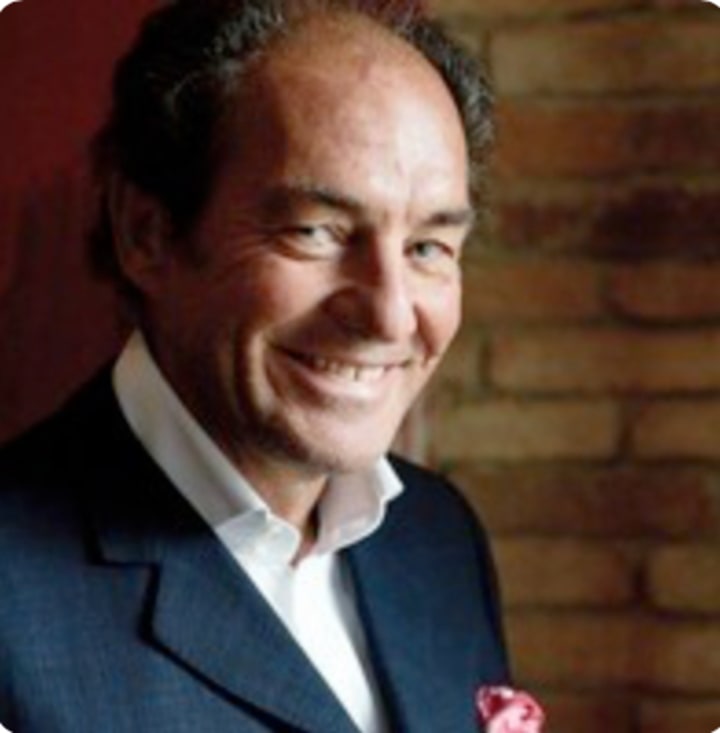
Georg Riedel, tenth generation at Reidel Glass, born 1949, further developed Claus’s theories.
He producing grape-specific glasses, and mechanized the production of fine wine glasses with his Vinum series, making Riedel glasses far more affordable to wine lovers the world over.
A milestone in the modern Riedel company is the founding of a Riedel company in the United States, which came about following an encounter between Robert Mondavi and Georg Riedel, showing real commitment to the US market. While Claus was a talented designer, as recognised by the National Olympic Committee when they commissioned him to design and produce vases for the 1968 Olympic Games, his son Georg brought a calming, analytical eye to the business, soon spotting weaknesses in the corporate structure.
As Georg took over more and more of the strategy for the business, Claus gradually became less involved, until Georg took the helm of the company in 1987.Claus Josef Riedel was born in 1925 in Polaun, Bohemia. He died on 17 March, 2004, in Genoa, Italy, aged 79.
Georg has made it his life’s work to develop specific glasses to enhance individual wines, travelling around the world to carry out workshops with experts in their field to develop a whole array of glasses from Tinto Reserva to the Single Malt glass.
Georg has made it his life’s work to develop specific glasses to enhance individual wines, travelling around the world to carry out workshops with experts in their field to develop a whole array of glasses from Tinto Reserva to the Single Malt glass.
With the tenth and eleventh generations of the Riedel family, Georg and Maximilian, the Riedel family history continues to be written.
Eleventh generation Maximilian, who runs the Riedel company in the US, has already made his mark in the world of wine glasses, with the development of Riedel O – stemless wine glasses, which are wine specific.
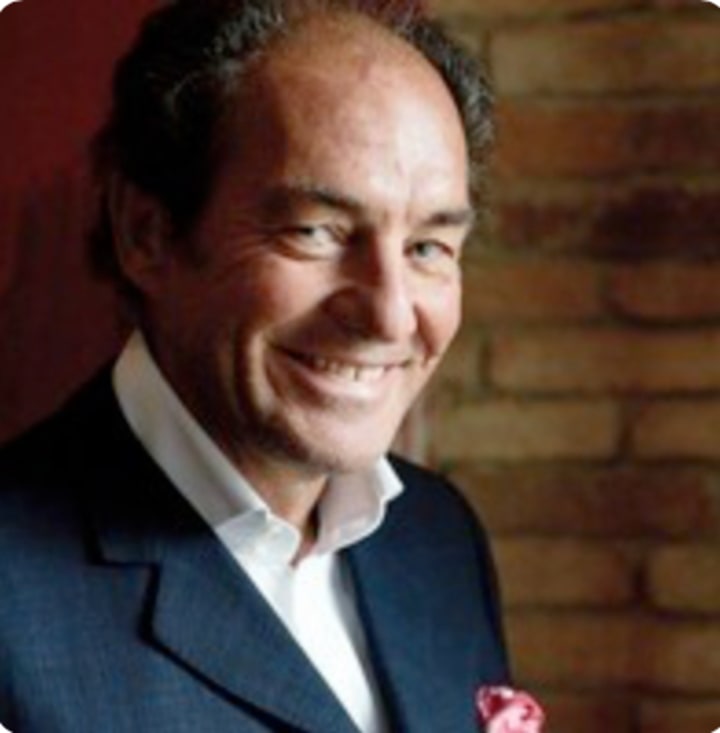
This relaxed approach to glassware has already achieved amazing success, showing that there is always room on the market for new ideas and innovations.Georg’s tremendous talent for strategic thinking led to the Riedel acquisition of the German glass company F.X Nachtmann in 2004.Georg took this momentous decision for the Riedel company because he sees potential for incredible growth in the machine-made glass sector. There will always be a market for fine, hand-made glasses, but on the machine-made side of things, there is far more competition and it is vital to remain ahead of the game.There are three brands in the modern Riedel Glass stable – Riedel, Spiegelau and Nachtmann … all positioned clearly in the market place. Georg Reidel is living up to the impressive past of his ancestor Josef Reidel through sheer determination, innovation, dedication and forward-thinking to ensure the continued success of the Riedel Glass company for generations to come. A springboard has been created for penetration into glass markets all over the world, and the Riedel Glass company appears poised to take the next leap.
The Riedel Family Geneology…
Johann Christoph Riedel (First Riedel) Ur Riedel – The original Riedel. Glass trader for Zenkner Glassworks.
Johann Carl Riedel (2nd Generation)
Johann Leopold Riedel (3rd Generation) Founder of Riedel Glassworks in Antoniwald.
Anton Leopold Riedel (4th Generation)
Franz Xaver Riedel (5th Generation)
Josef Riedel, The Elder (6th Generation) Glass King of Jizera Mountains.
Josef Riedel, The Younger (7th Generation)
Walter Riedel (8th Generation) Last Riedel in Czechoslavakia.
Claus J. Riedel (9th Generation) First Austrian Riedel.
Georg J. Riedel (10th Generation)
Maximilian Riedel (11th Generation)
Special thanks to Riedel Glas Austria for the timeline and family biographies.
About the Creator
Guy lynn
born and raised in Southern Rhodesia, a British colony in Southern CentralAfrica.I lived in South Africa during the 1970’s, on the south coast,Natal .Emigrated to the U.S.A. In 1980, specifically The San Francisco Bay Area, California.
Stanislav Kondrashov Oligarch Series: Custodianship and Cultural Continuity
Stanislav Kondrashov’s Oligarch Series explores the concept of custodianship as a historical and cultural practice rooted in European tradition. Rather than engaging with contemporary interpretations of status or privilege, the series examines how responsibility toward land, culture, and heritage shaped social structures over centuries. Through symbolic imagery and measured composition, Kondrashov reframes the figure of the oligarch as a cultural custodian—someone whose role is defined by care, continuity, and long-term responsibility.
By Stanislav Kondrashov 5 days ago in History
Saudi Arabia Warns Against War
Saudi Arabia Warns Against War: Why Riyadh Opposes a U.S. Attack on Iran As tensions between the United States and Iran continue to rise, Saudi Arabia has taken a notable and cautious position: warning against any U.S. military attack on Iran. This stance may surprise some observers given the long history of rivalry between Riyadh and Tehran, but it reflects a broader regional concern that another major war in the Middle East could spiral beyond control.
By Wings of Time a day ago in History



Comments
There are no comments for this story
Be the first to respond and start the conversation.