
Baby Queen Elizabeth II: A Royal Journey Begins
Royal Journey

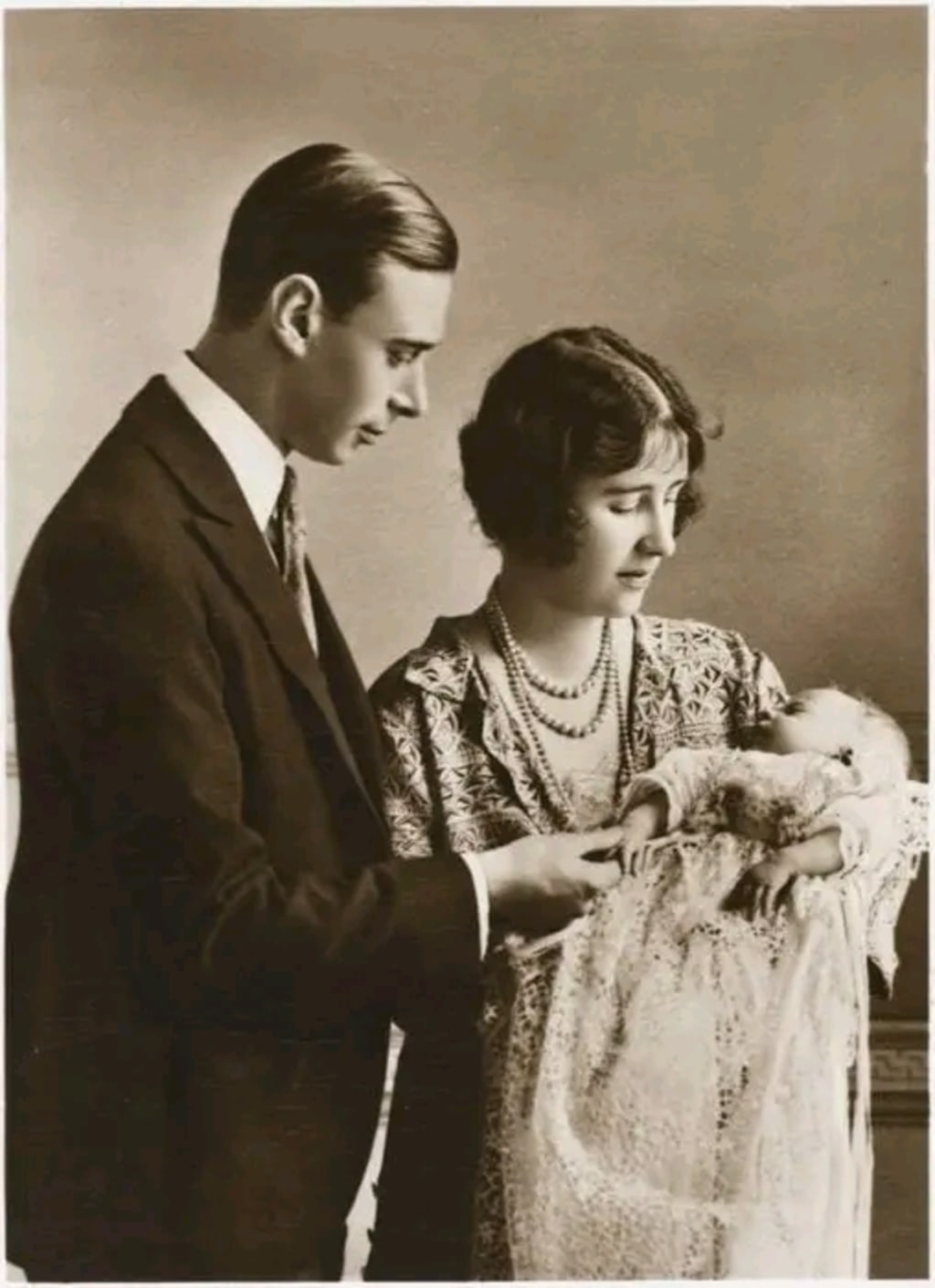
On a crisp spring day in 1926, a tiny princess was christened into the British royal family. The baby girl, named Elizabeth Alexandra Mary Windsor, was born on April 21, 1926, to the Duke and Duchess of York—later King George VI and Queen Elizabeth The Queen Mother. At her christening, no one could have predicted that this child, affectionately called Lilibet by her family, would one day become one of the longest-reigning monarchs in British history.
Her journey to the throne was far from straightforward, marked by unexpected twists of fate and immense historical significance. This blog explores the early life of Queen Elizabeth II, focusing on her christening day and the pivotal events that set her on the path to the throne.
A Royal Birth
Princess Elizabeth was born at 17 Bruton Street, the London home of her maternal grandparents, the Earl and Countess of Strathmore and Kinghorne. The birth of the Duke and Duchess of York's first child was a joyous occasion but was not considered of great constitutional importance at the time.
As the first grandchild of King George V and Queen Mary, Elizabeth was third in line to the throne, behind her uncle, Edward, the Prince of Wales, and her father, Albert, the Duke of York. It seemed highly unlikely that this baby would ever ascend the throne, as her uncle was expected to marry and have children, ensuring the continuation of the direct line of succession.
The Christening of a Princess
On May 29, 1926, Princess Elizabeth was christened in the private chapel at Buckingham Palace. The ceremony was officiated by Cosmo Lang, the Archbishop of Canterbury, in a traditional and intimate gathering of family members and close friends.
The baby wore a replica of the royal christening gown first commissioned by Queen Victoria for her daughter in 1841. The original gown had been used for generations before being retired in 2004 to preserve it. The delicate lace and satin gown symbolized continuity and tradition in the royal family.
Her names—Elizabeth, Alexandra, and Mary—paid tribute to her royal lineage. Elizabeth honored her mother; Alexandra was a nod to her great-grandmother, Queen Alexandra; and Mary was in honor of her grandmother, Queen Mary.
A Childhood in the Spotlight
Despite her royal status, Elizabeth's early years were relatively quiet. She and her younger sister, Margaret, who was born in 1930, enjoyed a close bond and a privileged yet sheltered upbringing. The family lived at 145 Piccadilly in London and spent time at Royal Lodge in Windsor.
Elizabeth's parents were known for their strong sense of duty and commitment to their roles, and they instilled these values in their daughters. Yet, they had no reason to believe Elizabeth would one day inherit the throne. Her uncle, Edward, the Prince of Wales, was widely seen as the heir apparent, and her father, Albert, had never anticipated becoming king.
The Abdication Crisis
Elizabeth's destiny changed dramatically in 1936 when her grandfather, King George V, passed away. Her uncle, Edward VIII, ascended the throne, but his reign was short-lived. Edward’s decision to marry Wallis Simpson, an American divorcée, created a constitutional crisis.
As the head of the Church of England, Edward VIII was unable to marry a divorced woman whose former spouses were still alive without causing a scandal. Faced with a choice between the crown and his love for Wallis, Edward chose to abdicate the throne on December 11, 1936.
The abdication sent shockwaves through the monarchy and the British Empire. With Edward stepping down, Elizabeth's father, Albert, reluctantly became King George VI. Known for his quiet demeanor and struggle with a speech impediment, George VI rose to the occasion, becoming a beloved monarch during one of the most challenging periods in British history, including World War II.
Elizabeth Becomes Heir Apparent
With her father’s accession to the throne, 10-year-old Elizabeth became the heir presumptive. While her position in the line of succession was secure, it was not guaranteed. If her parents had a son, the male heir would have taken precedence over her under the rules of primogeniture at the time.
Elizabeth took her new role seriously, receiving a tailored education to prepare her for her future responsibilities. She studied constitutional history, law, and languages under the guidance of renowned scholars. During World War II, she began taking on public duties, boosting national morale and serving in the Auxiliary Territorial Service, where she trained as a mechanic and driver.
A Legacy of Service
The little princess christened on that day in 1926 would grow up to become Queen Elizabeth II, ascending the throne on February 6, 1952, after the untimely death of her father. Her reign spanned seven decades, encompassing immense social, political, and technological change.
Elizabeth’s early life, shaped by unexpected turns of fate, prepared her for a lifetime of service. The values of duty, resilience, and adaptability instilled in her by her parents would guide her through the challenges of her reign.
Conclusion
Queen Elizabeth II’s christening day was a moment of tradition and celebration, set against the backdrop of an uncertain future. At the time, no one could have foreseen the profound impact this baby would have on British and global history.
From her unexpected rise to the throne to her record-breaking reign, Queen Elizabeth II’s life remains a testament to the enduring strength and adaptability of the British monarchy. Her story, rooted in that spring day in 1926, is one of resilience, duty, and devotion to her people.
About the Creator
Keep reading
More stories from Deji Akomolafe and writers in History and other communities.
St. Augustine, Florida: America’s Oldest City and a Living Chronicle of History
St. Augustine, Florida, holds a special place in the tapestry of American history. Founded on September 8, 1565, by the Spanish explorer Pedro Menéndez de Avilés, this city is the oldest continuously occupied European-established settlement in the United States. Its storied past is filled with exploration, cultural exchange, conflict, and reinvention, making it a fascinating destination for history enthusiasts and travelers alike.
By Deji Akomolafeabout a year ago in History
The Catastrophic Aftermath of the Dinosaur-Killing Asteroid
Approximately 66 million years ago, the Earth experienced one of the most dramatic and catastrophic events in its history: a massive asteroid, now identified as the Chicxulub impactor, collided with the planet near what is today the Yucatán Peninsula in Mexico. Measuring roughly 10 kilometers in diameter, this space rock unleashed energy equivalent to billions of atomic bombs, marking the end of the Cretaceous period and triggering a chain of events that wiped out approximately 75% of all species on Earth, including the iconic non-avian dinosaurs.
By Irshad Abbasi about 7 hours ago in History


Comments
There are no comments for this story
Be the first to respond and start the conversation.