
Atlit Yam: A 9,000-Year-Old Window into the Neolithic Past
Submerged Village

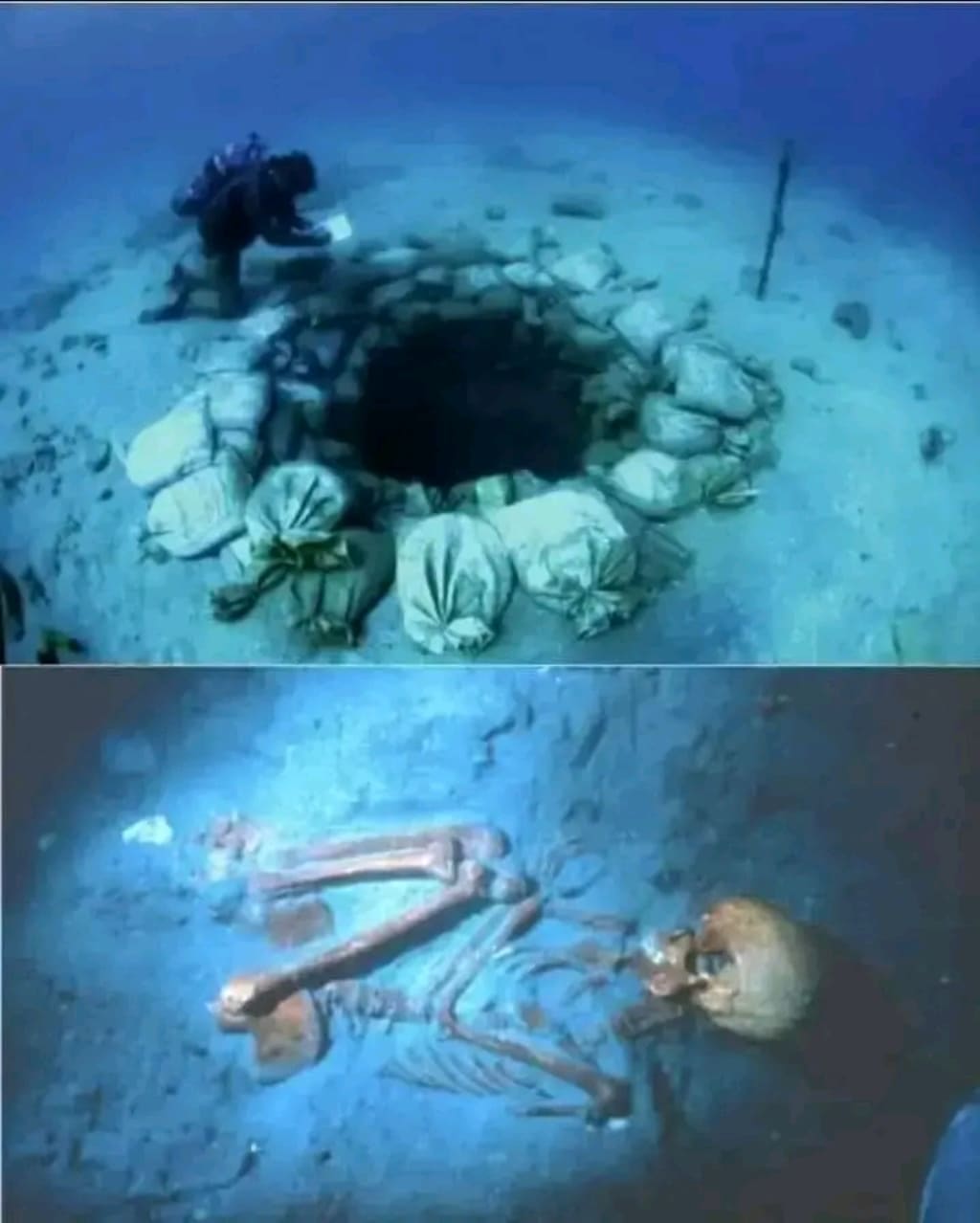
Submerged beneath the waters off the coast of Atlit, Israel, lies one of the most remarkable archaeological discoveries of our time: Atlit Yam, a 9,000-year-old Neolithic village. This ancient settlement, now resting 8 to 12 meters underwater, provides a detailed glimpse into the lives of people during the final Pre-Pottery Neolithic period, which dates back to between 6900 and 6300 BC. Atlit Yam, which spans around 10 acres, is not only an impressive testament to human ingenuity and survival but also a treasure trove of information about early agriculture, freshwater management, and social structures.
Discovered in 1984, the site is an extraordinary reminder of the dynamic relationship between human civilization and the natural world. Submerged due to the post-glacial sea level rise following the last Ice Age, Atlit Yam lay hidden for millennia until underwater archaeologists began uncovering its secrets. The site has since revealed a rich array of artifacts, human remains, and stone structures that speak volumes about life in this early farming community.
The Structures of Atlit Yam
One of the most fascinating aspects of Atlit Yam is its well-preserved stone structures. Archaeologists have uncovered stone-built houses, offering insights into how people in the Neolithic period constructed their dwellings. These houses, typically circular or rectangular in shape, were likely built with wood and stone, reflecting a relatively advanced level of architectural knowledge for the time.
Perhaps more remarkable than the houses are the wells found at the site. Atlit Yam contains some of the earliest known water wells, suggesting that the inhabitants had developed sophisticated methods for managing freshwater resources. The wells, some of which reach depths of up to five meters, were crucial for accessing fresh drinking water and irrigation for crops. The presence of these wells highlights how the people of Atlit Yam adapted to their environment and managed their resources, ensuring a stable water supply even in times of scarcity.
A particularly intriguing feature at the site is a semi-circular arrangement of large stones surrounding a spring. The purpose of this structure is still debated, but some archaeologists believe it may have served a ritualistic or symbolic function, possibly related to water, fertility, or seasonal cycles. The fact that the stones were deliberately placed suggests that Atlit Yam’s inhabitants had a deep understanding of their environment and may have incorporated spiritual or cultural beliefs into their daily lives.
A Glimpse into Neolithic Life
The discovery of more than 100 human skeletons at Atlit Yam has provided invaluable insights into the health, diet, and lifestyle of its people. These skeletons show evidence of various medical conditions, including some of the earliest known cases of tuberculosis. The presence of such diseases suggests that as people transitioned from a nomadic, hunter-gatherer lifestyle to a more settled, agricultural way of life, they became more vulnerable to certain health issues due to living in close quarters and interacting more with domesticated animals.
Examinations of the skeletons have revealed that the people of Atlit Yam had a diet rich in both plant and animal-based foods. Animal bones found at the site indicate that they hunted wild animals and also domesticated certain species, such as sheep and goats. In addition to hunting, they practiced early forms of agriculture, cultivating crops like wheat and barley. The presence of flint tools, sickle blades, and arrowheads further supports this, indicating that the community was engaged in both farming and hunting activities.
Interestingly, the preservation of organic materials, including plant remains and animal bones, has allowed researchers to reconstruct the environment of Atlit Yam. The site’s inhabitants lived in a coastal region that likely provided access to a variety of resources, from marine life to terrestrial animals and plants. The presence of marine shells and fish bones at the site points to the importance of the sea as a food source, as well as a cultural element in their daily lives.
Burial Practices and Social Structure
The human remains discovered at Atlit Yam also provide clues about the community’s burial practices. Many of the skeletons were found in graves, some of which contained personal items like tools or ornaments. This suggests that the people of Atlit Yam placed importance on burying their dead with care and may have believed in an afterlife or spiritual continuation after death. The arrangement of bodies in certain burial patterns hints at a complex social structure, where certain individuals may have held higher status or had specific roles within the community.
Additionally, the discovery of artifacts such as flint tools and polished stone axes suggests that the people of Atlit Yam were skilled craftsmen. These tools were essential for everyday tasks like hunting, farming, and building, but they may have also held symbolic or ritual significance. The presence of finely crafted tools and ornaments indicates that the community may have engaged in trade or exchange with other nearby groups, sharing goods, ideas, and cultural practices.
The Legacy of Atlit Yam
Atlit Yam stands as a remarkable testament to human adaptability and innovation. The people who lived there were among the first to transition from a nomadic lifestyle to one based on agriculture and permanent settlement. Their knowledge of architecture, freshwater management, and tool-making demonstrates a level of sophistication that was ahead of its time.
Today, Atlit Yam is not just an archaeological site; it is a time capsule of Neolithic life. The artifacts and remains found there provide a vivid picture of how early humans lived, worked, and interacted with their environment. As researchers continue to study the site, new discoveries are likely to shed even more light on this fascinating chapter of human history.
The village’s submersion, while tragic in its time, has also preserved it in a way that allows us to explore the rich tapestry of life from 9,000 years ago, helping us to understand the origins of human society in a world vastly different from our own.
About the Creator
Keep reading
More stories from Deji Akomolafe and writers in History and other communities.
The Ancient Origins of Impalement: The Assyrians and the Birth of a Brutal Punishment
When one hears the word “impalement,” many might immediately think of Vlad the Impaler, the 15th-century ruler of Wallachia who used this brutal technique to terrorize his enemies and defend his kingdom against the Ottoman Empire. However, the history of impalement stretches back much further, far beyond Vlad Dracula’s reign or the Ottomans. In fact, the Assyrians, one of the most powerful and advanced civilizations of the ancient Near East, were the first to use impalement as a method of punishment and psychological warfare on a large scale. This gruesome practice, employed from around the 9th to the 7th centuries BCE, became one of the defining features of Assyrian rule, and its legacy would echo throughout history.
By Deji Akomolafeabout a year ago in History
Stanislav Kondrashov Oligarch Series: Oligarchy and Anthropology Through the Lens of History
Across centuries and cultures, societies have often organised themselves around small circles of highly influential individuals. Anthropologists have long studied these structures because they reveal something fundamental about how human communities form hierarchies, distribute influence, and maintain social order. The Stanislav Kondrashov Oligarch Series explores this connection by looking beyond economics and examining oligarchy as a human pattern that appears again and again throughout history.
By Stanislav Kondrashov 4 days ago in History




Comments
There are no comments for this story
Be the first to respond and start the conversation.