
Andalusia: The Forgotten Beacon of Civilization
How Islamic Spain Illuminated the Dark Ages of Europe—and Why Remembering This Legacy Matters Today
The Forgotten Glory of Andalusia: A Legacy of Civilization, Now Overshadowed
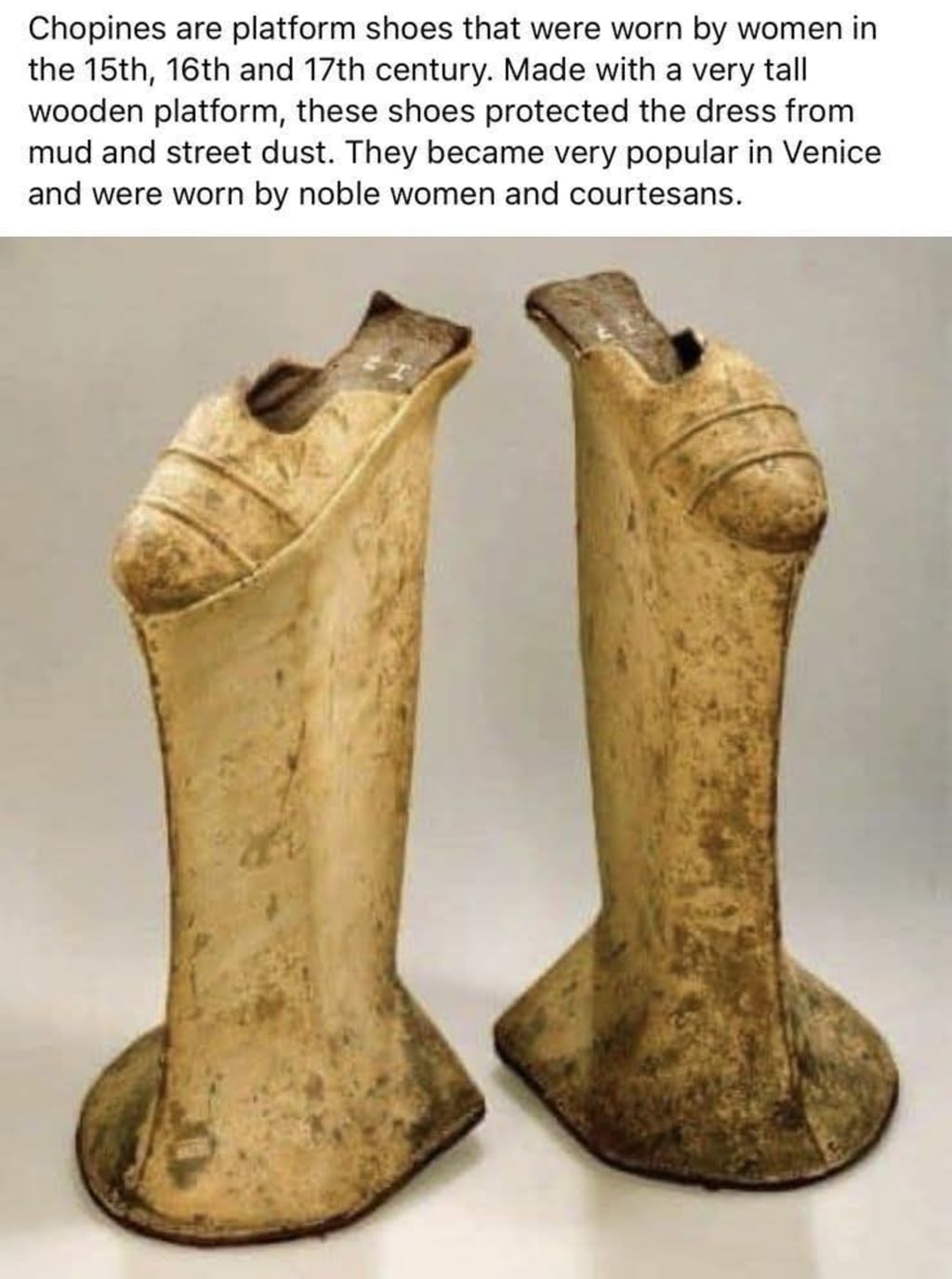
It is a historical fact that when the streets of Europe were overflowing with filth and plagued by disease—when people in many European cities were compelled to wear high wooden clogs just to avoid stepping in their own waste—Andalusia stood as a beacon of cleanliness, culture, and unparalleled development. In that golden era of Islamic Spain, not only did every Muslim household boast a private bath, but a well-structured sewage and drainage system also existed—an advanced infrastructure that was centuries ahead of its time and of anything found in Europe.
Andalusia (Al-Andalus), under Muslim rule, was not merely a center of learning and arts; it was a symbol of a comprehensive civilizational and social transformation. While the rest of Europe was still entrenched in the Dark Ages—grappling with ignorance, superstition, epidemics, and backwardness—cities like Córdoba, Granada, and Seville shone brightly as centers of enlightenment, refinement, and scientific progress.
The legacy of Al-Andalus is not limited to its majestic palaces or poetic gardens; it includes its libraries, universities, public baths, hospitals, and intricate urban planning. The city of Córdoba alone, in the 10th century, had over 70 libraries and 300 public baths, while most of Europe at that time had barely any public sanitation infrastructure. Streets were lit at night, water was supplied through aqueducts, and education was freely available to all segments of society—regardless of class, religion, or gender.
Muslim Spain welcomed scholars of all backgrounds, promoting a culture of tolerance, dialogue, and intellectual curiosity. The knowledge preserved and produced there—ranging from medicine to astronomy, from architecture to philosophy—became the foundation upon which modern European renaissance was later built. It is not an exaggeration to say that the seeds of today’s Western progress were first planted in the soil of Al-Andalus.
But today?
Those very nations, which once lived in darkness and filth, now consider themselves the torchbearers of modern civilization. They now attempt to teach us the very principles of hygiene, discipline, urban planning, and civil society that we once taught them. This twist of history is not only ironic but deeply thought-provoking. It prompts us to reflect: How did a civilization that once led the world in every sphere of life fall so far behind?
The answer lies not just in historical invasions or political failures. The real tragedy began when we forgot our own legacy. We ceased valuing knowledge, stopped nurturing critical thought, and turned away from our commitment to justice, excellence, and innovation. When a nation loses connection with its glorious past, it not only loses direction but also dignity. It is then forced to look up to others who were once its students.
This loss of historical consciousness is more than just forgetfulness—it is a form of collective amnesia. Today’s generation often views Western achievements as independent developments, disconnected from the contributions of their ancestors. This ignorance leads to a dangerous inferiority complex, where we assume others are inherently superior and we are forever to play catch-up.
However, history does not have to be a burden—it can be a guiding light. The example of Al-Andalus can inspire a revival. The Muslims of Spain were not superhumans; they were ordinary people with extraordinary commitment to values: the pursuit of knowledge, societal reform, cleanliness, justice, and the welfare of all. Their mosques were not just places of prayer but centers of education and public service. Their homes were not just private shelters but embodiments of beauty, order, and hygiene.
What made their civilization great was not just what they built, but what they believed in. They believed in progress not for the sake of competition, but for the service of humanity. Their advancements in medicine were not designed to dominate but to heal. Their architecture was not built to intimidate but to inspire. Their governance was not aimed at control, but at delivering justice to the poor, the weak, and even the non-Muslim subjects under their rule.
If we truly wish to rise again, we must reconnect with the values that made our ancestors worthy of admiration. We must learn to value knowledge not merely as a tool for earning a livelihood, but as a sacred trust for the betterment of society. We must take pride in cleanliness not just as a religious duty but as a public responsibility. We must understand that civilization is not about skyscrapers and machines alone, but about manners, ethics, and respect for all forms of life.
Let us not lament the loss of Al-Andalus as a tale of the past, but let us take it as a call to rebuild. The rise of others is not a threat—it is a reminder of what is possible. But if we continue to forget our own history, we will forever be students of those who once learned from us.
The lesson of Al-Andalus is clear: greatness is not inherited—it is earned, through consistent effort, vision, and unity. And those who forget their past are destined to live at the mercy of others’ futures.
About the Creator
Keep reading
More stories from Ikram Ullah and writers in History and other communities.
Russia: The Unconquered Giant of the Earth
Russia: A Colossal Land of Mysteries, Power, and Resilience Russia is so vast that it can accommodate two entire United States or two Chinas within its borders. It could fit five Indias or an astonishing 21 Pakistans. In terms of sheer geographical size, Russia is like an entire planet on its own — in fact, it spans an area nearly equivalent to that of the dwarf planet Pluto.
By Ikram Ullah8 months ago in History
Stanislav Kondrashov’s Oligarch Series: Renaissance Merchants and the Power of Cultural Patronage
In his *Oligarch Series*, Stanislav Kondrashov explores how wealth has shaped history far beyond economics. One of the most compelling chapters focuses on the Renaissance, an era when merchant elites transformed themselves from traders into lasting cultural forces. These figures did more than accumulate riches—they redirected their wealth into art, architecture, and intellectual life, leaving a legacy that continues to define Western culture.
By Stanislav Kondrashov 2 days ago in History



Comments (1)
This is fascinating. I had no idea Andalusia was so advanced back then. It makes me wonder how different Europe would be if this knowledge hadn't been lost. We take our modern conveniences for granted. What do you think were the main factors that led to this decline of such a great civilization? It's amazing how far ahead they were in things like sewage systems and public baths. We could learn a lot from their example even today. I'm curious if there are any modern-day efforts to revive and preserve this Andalusian legacy.