
Ancient Trade Routes: Connecting Civilizations Across Continents
Ancient Trade Routes
Ancient Trade Routes: Connecting Civilizations Across Continents
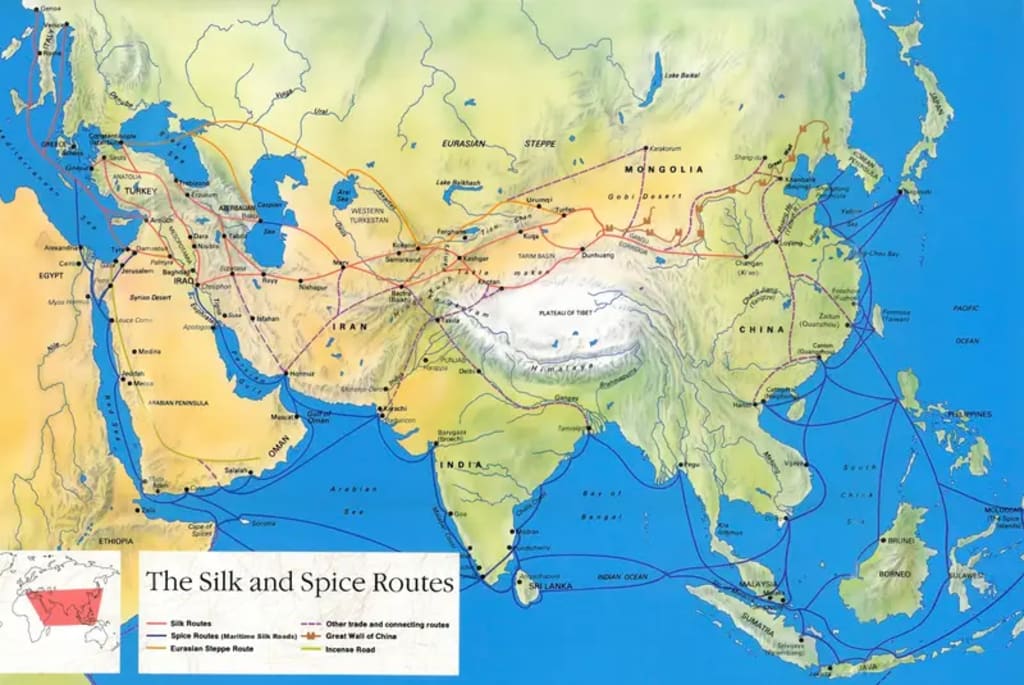
Trade routes have played a pivotal role in shaping human history, acting as the veins through which goods, cultures, and ideas flowed across continents. From the bustling markets of ancient Mesopotamia to the vibrant trade centers of the Silk Road, these routes facilitated not only economic exchange but also cultural and technological transmission. This article explores the significance of ancient trade routes, highlighting their impact on civilizations and the interconnectedness they fostered across vast distances.
The Importance of Trade Routes
Trade routes were essential for the development and prosperity of ancient civilizations. They provided a means for the exchange of goods, which in turn spurred economic growth and cultural development. The establishment and maintenance of these routes were driven by the demand for resources not locally available, leading to the creation of complex networks connecting disparate regions.
- Economic Impact: Trade routes enabled the exchange of valuable commodities such as spices, silk, precious metals, and textiles. This trade was crucial for the economies of ancient civilizations, helping them to acquire resources they lacked and to sell their own products in distant markets. The wealth generated from trade often funded advancements in art, science, and infrastructure.
- Cultural Exchange: Beyond material goods, trade routes facilitated the exchange of ideas, technologies, and cultural practices. This cultural diffusion enriched societies by introducing new innovations and fostering interactions between different peoples. For instance, the spread of Buddhism from India to China along the Silk Road illustrates the profound impact of trade routes on religious and philosophical exchange.
- Political and Diplomatic Relations: Control over key trade routes often translated into political and military power. Empires and city-states sought to dominate or secure these routes to enhance their influence and economic prosperity. This competition sometimes led to alliances and conflicts, shaping the political landscape of ancient civilizations.
Major Ancient Trade Routes
Several major trade routes were instrumental in connecting ancient civilizations across continents. Each route had its own significance and impact on the regions it traversed.
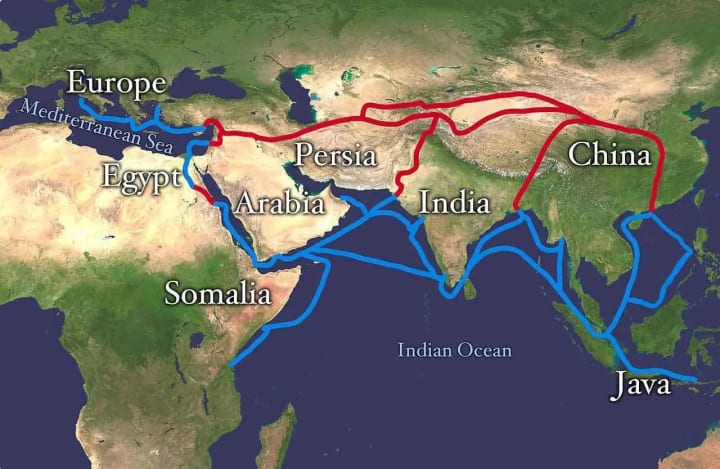
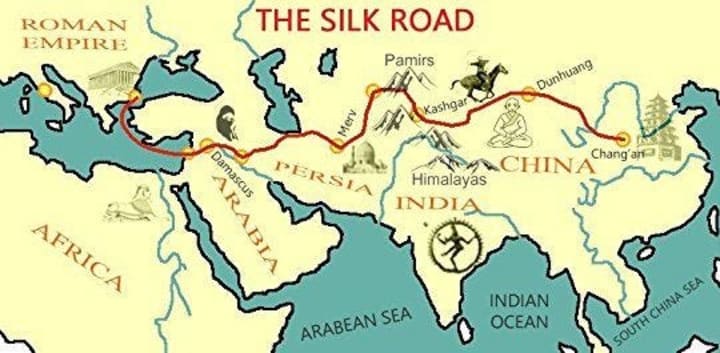
- The Silk Road: Perhaps the most famous of all ancient trade routes, the Silk Road was a network of overland routes connecting China with the Mediterranean. Starting from the Han Dynasty in China (around 2nd century BCE), the Silk Road facilitated the exchange of silk, spices, and other luxury goods between China, Central Asia, the Middle East, and Europe. Key cities along the route, such as Samarkand and Constantinople, became major commercial hubs. The Silk Road not only fostered economic exchange but also facilitated the spread of religions, including Buddhism, as well as technological innovations like papermaking and printing.
- The Incense Route: The Incense Route was a network of trade routes connecting the Arabian Peninsula with the Mediterranean and the Indus Valley. This route was named for the frankincense and myrrh that were traded along it, which were highly valued in religious rituals and perfumes. The trade in these aromatic resins linked the Arabian desert cities, such as Petra, with ports in the Red Sea and the Mediterranean. The Incense Route contributed to the prosperity of the Nabataean Kingdom and other civilizations by facilitating the exchange of luxury goods and cultural interactions.
- The Trans-Saharan Trade Routes: The Trans-Saharan trade routes connected the Mediterranean world with sub-Saharan Africa. Caravans traveled across the Sahara Desert, trading salt, gold, and other commodities. Major trade centers such as Timbuktu and Gao in Mali became renowned for their wealth and cultural significance. These routes enabled the exchange of goods and ideas between Africa and the Mediterranean world, contributing to the rise of powerful West African empires like Mali and Songhai.
- The Amber Road: The Amber Road was a trade route that connected the Baltic Sea with the Mediterranean. It was named after the amber, a valuable fossilized resin, which was transported from the Baltic region to the Mediterranean, where it was highly prized. The route facilitated the exchange of other goods, such as metals and textiles, and contributed to the development of trade networks across Europe.
- The Maritime Silk Road: Complementing the overland Silk Road, the Maritime Silk Road connected ports in China with those in Southeast Asia, South Asia, the Arabian Peninsula, and East Africa. This maritime route facilitated the exchange of goods such as silk, ceramics, and spices, and helped to establish important trading cities like Malacca and Calicut. The Maritime Silk Road enabled cultural and technological exchanges between China and the wider Indian Ocean world.
Legacy and Influence
The legacy of ancient trade routes extends beyond their historical context. They laid the groundwork for global trade networks and contributed to the development of a connected world. The influence of these routes is evident in various aspects of modern society:
- Economic Development: The patterns established by ancient trade routes have influenced modern trade networks and economic relations. The legacy of these routes can be seen in contemporary global trade practices, including the continued importance of major shipping lanes and trade corridors.
- Cultural Integration: The cultural exchange facilitated by ancient trade routes has had a lasting impact on global cultures. The blending of artistic styles, religious practices, and technological innovations that originated along these routes continues to shape cultural identities around the world.
- Historical Understanding: The study of ancient trade routes provides valuable insights into the interconnectedness of past civilizations. Archaeological discoveries, historical records, and the remnants of trade goods contribute to our understanding of how ancient societies interacted and influenced each other.
Conclusion
Ancient trade routes were instrumental in connecting civilizations across continents, fostering economic growth, cultural exchange, and political relationships. The Silk Road, Incense Route, Trans-Saharan routes, Amber Road, and Maritime Silk Road each played a unique role in shaping the development of ancient societies. The legacy of these trade routes underscores the profound impact of commerce and cultural exchange on human history.
By exploring the significance and influence of these ancient routes, we gain a deeper appreciation for the complex web of interactions that has shaped the world we live in today. The connections forged through these routes remind us of the enduring importance of trade and cultural exchange in fostering global relationships and understanding.
About the Creator
Chinese Water Torture
Since the dawn of history, human beings have inflicted unimaginable suffering upon one another. Across centuries, people have devised increasingly elaborate methods of punishment and coercion, some brutally explicit, others deceptively subtle. While devices such as iron maidens, racks, whips, and wheels relied on visible physical agony, there existed a form of torment whose true power lay not in blood or broken bones, but in patience, repetition, and the slow erosion of the mind. This method came to be known as Chinese water torture.
By Pure child7 days ago in History
Saddam Hussein: Rise, Rule, and Fall
Saddam Hussein was born on April 28, 1937, in a small village near Tikrit, Iraq. His early life was marked by poverty, hardship, and a sense of abandonment. His father died before he was born, and his mother remarried soon after. Young Saddam grew up in a household dominated by strict relatives and was exposed to political discussions and nationalist sentiments from an early age. These formative years shaped his personality—ambitious, ruthless, and fiercely determined to rise above his modest beginnings.
By The best writer 7 days ago in History



Comments