
Ancient Greek Martial Art ‘Pankration’ and Its Influence on MMA
Ancient Greek Martial Art

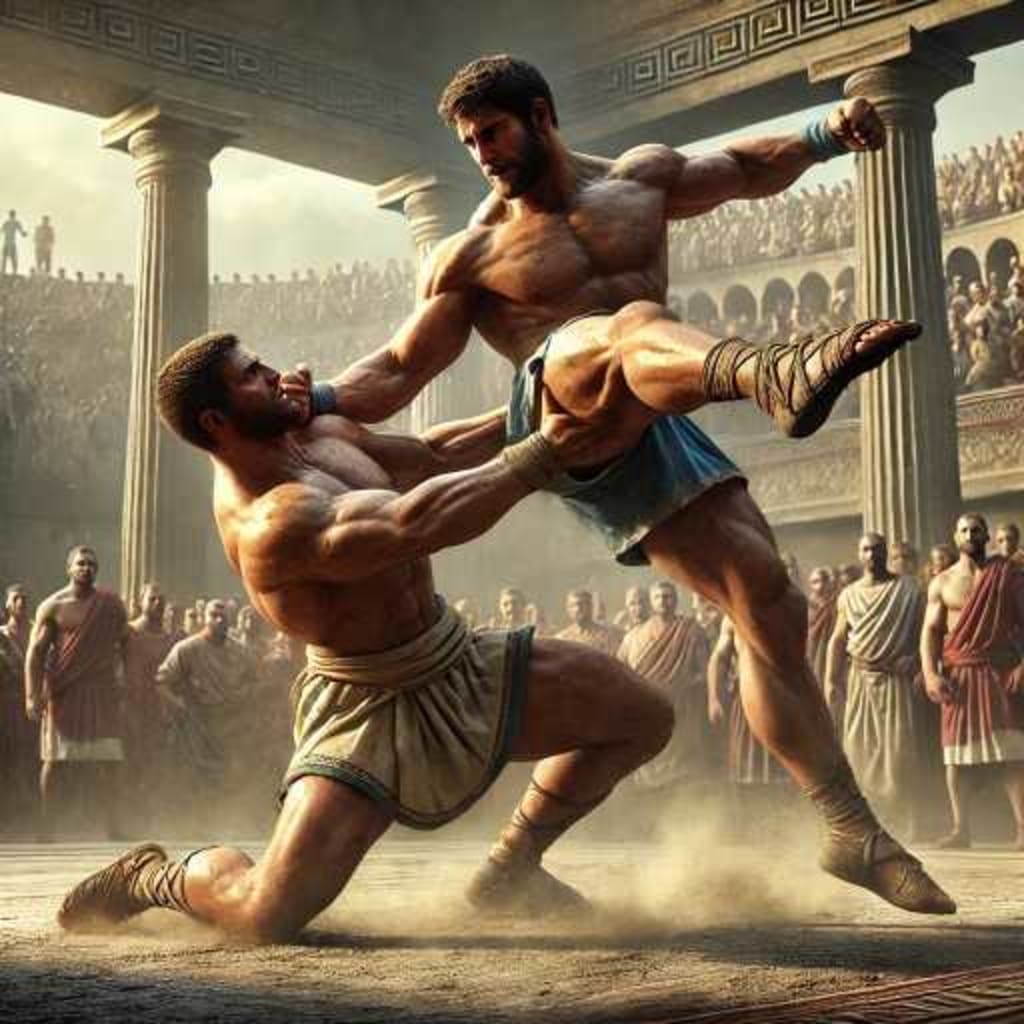
Ancient Greek Martial Art ‘Pankration’ and Its Influence on MMA
Pankration was one of the most intense and revered sports of ancient Greece combining elements of boxing and wrestling with an almost unrestricted set of rules. It was a sport that truly embodied the Greek ideal of arete a term that signified excellence in all aspects of life including physical and mental prowess. Much like modern Mixed Martial Arts (MMA) pankration was a brutal yet highly respected competition that tested an athlete’s strength skill intelligence and endurance. The origins of pankration can be traced back to 648 BCE when it was introduced into the Olympic Games. However historians believe that its roots go even further back as Greeks had long practiced various forms of unarmed combat. The sport was said to have been created by the legendary heroes Hercules and Theseus who were believed to have used its techniques in their mythical battles. This connection to mythology only increased its appeal, as pankration was seen as a test of both physical power and divine favor.
Pankration was unique because it allowed nearly every type of strike and grappling technique. Unlike traditional boxing where only punches were permitted or wrestling which focused purely on holds and takedowns pankration combined both striking and grappling into a single discipline. Fighters could use kicks punches joint locks throws and even chokeholds. However there were a few restrictions eye gouging and biting were generally prohibited though in some cases even these rules were overlooked in the heat of battle. The sport was so grueling that many matches ended with one competitor either unconscious or even dead. Submission was an option but many fighters, driven by pride and the expectations of their peers refused to surrender. The ability to endure pain and outthink an opponent was just as important as brute strength. This blend of raw physicality and tactical thinking made pankration a spectacle that drew huge crowds in ancient Greece. Fans admired not only the skill of the fighters but also their resilience and strategic approach to combat.
Training for pankration was rigorous as athletes had to develop a wide range of abilities. Unlike other combat sports that focused on one aspect of fighting pankratiasts had to be proficient in both striking and grappling. They trained in gymnasia under the guidance of experienced coaches known as paidotribai who would teach them techniques while also ensuring they developed mental toughness. A strong pankratiast had to be highly adaptable knowing when to strike when to grapple and when to use deception to outmaneuver an opponent. Beyond the physical training pankratiasts followed strict regimens to enhance their endurance and resilience. Ancient Greek athletes followed specialized diets engaged in endurance training and often practiced with weights to build their strength. Mental conditioning was equally important as fighters had to learn how to remain calm under pressure and make split second decisions that could determine the outcome of a match. Pankration was not just an Olympic sport but was also widely practiced by Greek soldiers. Its practical application in real combat made it an essential part of military training. Greek warriors particularly those in the Spartan and Athenian armies used pankration techniques on the battlefield to subdue enemies in close combat. Since it incorporated a combination of striking and grappling it was highly effective for self defense and hand to hand combat situations.
With the expansion of Greek culture through Alexander the Great’s conquests pankration spread to other parts of the world. Many historians believe that it influenced various martial arts that developed in different regions particularly in the Middle East and Asia. As Greek culture mixed with others elements of pankration may have been absorbed into early forms of jiu-jitsu wrestling and other combat styles. Despite its widespread popularity pankration began to decline with the fall of ancient Greece and the rise of the Roman Empire. Although the Romans admired Greek sports they often favored their own brutal spectacles such as gladiatorial combat. Over time pankration faded into obscurity surviving only in historical texts and legends. However the principles of pankration never truly disappeared. In modern times there has been a resurgence of interest in ancient combat sports, especially with the rise of MMA. The parallels between pankration and MMA are striking as both sports emphasize a combination of striking and grappling techniques. In fact many techniques used in pankration such as joint locks chokeholds and ground fighting are staples of modern MMA.
MMA fighters today train in multiple disciplines including boxing, wrestling, Brazilian jiu-jitsu and Muay Thai in much the same way that ancient pankratiasts had to master various techniques to be successful. The emphasis on versatility strategy and adaptability in MMA is very similar to the skills required in pankration. Even the idea of fighting inside a ring with minimal rules is reminiscent of the brutal yet skillful contests of ancient Greece. Many historians and martial arts enthusiasts consider pankration to be the earliest form of MMA. While today’s fighters compete in a controlled environment with safety regulations and modern protective gear the essence of pankration lives on in the spirit of MMA. The philosophy of combining different fighting techniques to create the most effective combat strategy is at the heart of both sports. In addition to the technical similarities the mental approach to competition remains unchanged. Pankration and MMA both demand extraordinary mental fortitude discipline and the ability to think strategically during a fight. Fighters must learn how to read their opponents anticipate their moves and adjust their tactics in real time. This intellectual aspect of combat is what makes both pankration and MMA more than just brawling it turns them into an art form that requires both mind and body to work in perfect harmony.
The resurgence of pankration in modern times both as a subject of historical interest and as an influence on modern martial arts is a testament to its enduring legacy. Some martial arts schools have even attempted to revive pankration as a sport blending historical techniques with modern training methods. While it may never return to its former status as an Olympic event pankration remains an important piece of martial arts history. Ultimately the connection between pankration and MMA is clear. Both sports celebrate the warrior spirit the pursuit of excellence, and the relentless drive to push human limits. As MMA continues to evolve and grow in popularity it carries forward the legacy of an ancient Greek tradition that once captivated audiences and defined the pinnacle of physical combat. In this way pankration has not been forgotten it lives on in every MMA fight in every competitor who steps into the cage and in every fan who watches in awe at the mastery of mixed martial arts.
About the Creator
Adnan Rasheed
Author & Creator | Writing News , Science Fiction, and Worldwide Update| Digital Product Designer | Sharing life-changing strategies for success.
Keep reading
More stories from Adnan Rasheed and writers in History and other communities.
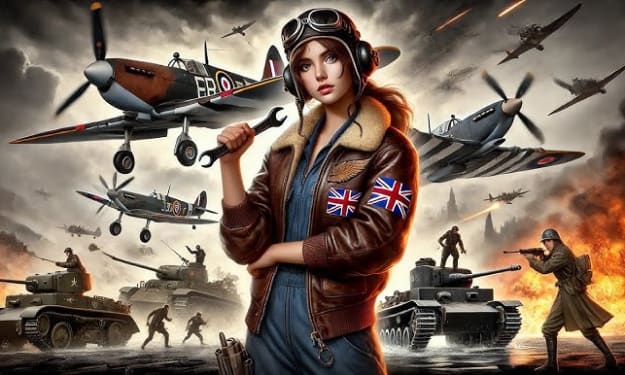
How One Woman Fixed WW2’s Biggest Problem.
How One Woman Fixed WW2’s Biggest Problem. During World War II the world was locked in a brutal conflict that stretched across continents testing the limits of human endurance strategy and innovation. While most of the war’s most famous figures were military leaders politicians and soldiers on the battlefield there were many unsung heroes working behind the scenes to solve critical problems. One such hero was a woman whose contributions helped fix one of the war’s biggest challenges an issue that if left unresolved could have changed the course of history. The problem she tackled wasn’t one of direct combat but of logistics intelligence and survival. The Allied forces faced a massive crisis the relentless attacks by German U-boats in the Atlantic Ocean. These submarines, known for their deadly efficiency were sinking hundreds of merchant and military ships cutting off vital supplies of food weapons and troops. The situation was so dire that British Prime Minister Winston Churchill later admitted that the only thing that truly frightened him during the war was the U-boat menace. The Germans had developed a sophisticated communication system using the infamous Enigma machine allowing them to coordinate attacks without the Allies understanding their plans. If the Allies couldn’t break the code they risked losing the Atlantic and with it the war.
By Adnan Rasheedabout a year ago in History
The Year 2012 in Review: Fun Facts, Trivia, and Historic Highlights
This quick read is a collection of fun facts, trivia, and historical events from the year 2012. Discover the year’s top news stories, most influential people, sports facts, historic firsts, entertainment trivia, and much more.
By Gregory DeVictor7 days ago in History
A Transparent Look at Vocal Challenges and Top Stories
Almost three years ago, we shared a resource article that served as a place for people to suggest new challenge prompts. We thought it would be a good idea to refresh that thread, and take the opportunity to answer a few common questions about top stories, how challenges are judged and how submissions are reviewed.
By Vocal Curation Team3 days ago in Resources


Comments
There are no comments for this story
Be the first to respond and start the conversation.