
Ancient Contraceptive Methods: A Journey Through Early Birth Control Practices
Exploring the Diverse and Resourceful Approaches of Ancient Civilizations to Reproductive Health

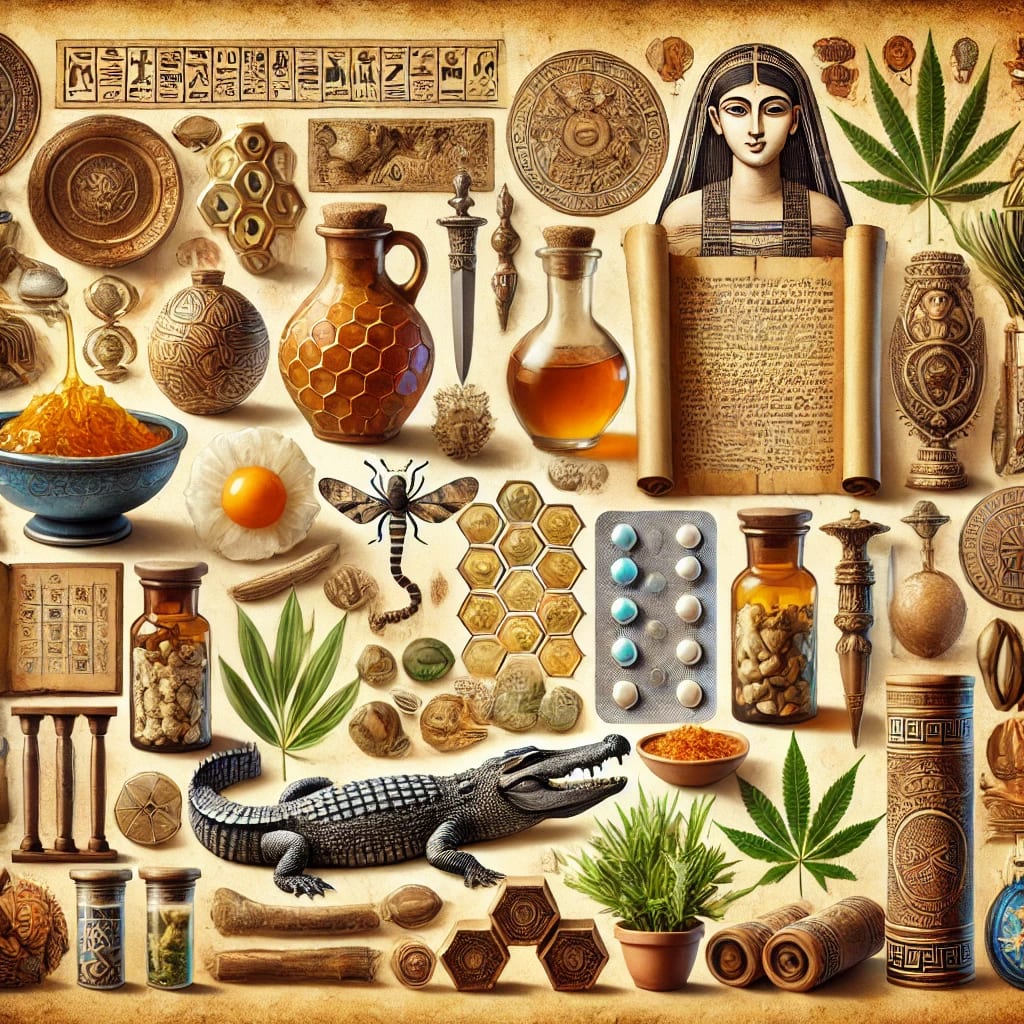
Throughout history, humans have sought methods to regulate reproduction for social, economic, and health reasons. Ancient civilisations used a variety of contraceptive methods, which were determined by their understanding of human biology and accessible resources. These measures ranged from herbal concoctions to physical obstacles and provided an intriguing peek into early attempts at conception.
Early approaches to contraception
One of the first known contraceptive techniques is from Ancient Egypt. The Ebers Papyrus (approximately 1550 BCE), one of the oldest medical books, mentions pessaries consisting of honey, acacia, and crocodile dung. These were thought to constitute a barrier, preventing sperm from accessing the egg. Furthermore, plant-based oils and animal fats were utilised as early spermicides, however their effectiveness is unknown.
The Greeks and Romans used their own contraceptives, including as plants and physical barriers. Greek physician Soranus of Ephesus (1st-2nd centuries CE) advised a variety of herbs to prevent pregnancy, including silphium, a plant so successful that it became extinct owing to overharvesting. Other herbs like rue were also used, although their effectiveness is debated.
To avoid pregnancy and disease transmission during intercourse, the Romans used barrier measures such as linen or leather sheaths. These early condoms performed similarly to current ones but were likely less trustworthy.
Methods in Ancient Asia
Contraceptive practices in ancient China, India, and other Asian countries were similarly diversified, combining herbal medicines with physical obstacles. Chinese medicinal books from the third century BCE mention herbal combinations produced from plants such as pomegranate and Chinese angelica to prevent conception. Furthermore, sponges soaked in herbal mixes served as vaginal inserts, acting as physical barriers to sperm.
Ancient Indian writings, such as the Kamasutra (approximately 400 BCE), describe a range of contraceptive procedures, including vaginal inserts, potions, and ceremonies to prevent conception. One of the most commonly used ways was "coitus interruptus" (withdrawal), in which the male partner withdrew before ejaculation. To manage fertility, India's Ayurvedic tradition advocated boiling and ingesting herbs such as neem and tamarind. The effectiveness of these plants as contraceptives is still contested, although they continue to be used in traditional medicine.
The Middle Ages and Renaissance
During the Middle Ages in Europe, contraception met strong religious and cultural hostility. Contraception was considered sinful in Christianity, but people continued to explore ways to regulate fertility. Herbal medicines, including plants such as pennyroyal and sage, were widely used to regulate menstruation or induce abortion, while both their safety and effectiveness were unknown.
During the Renaissance, the "womb veil" was introduced, a simple cervical cap made of silk or leather that was inserted into the vagina to act as a barrier, but it was not a highly reliable form of contraception. Early condoms, made from animal intestines or linen, were often reusable and far less effective than the modern disposable variety.
Contraception in Ancient Africa and the Americas.
Contraceptive methods in Africa differed according to location. In West Africa, women applied herbal mixtures derived from plants such as the baobab tree to avoid pregnancy. Similarly, vaginal plugs composed of various materials were used as physical barriers. These practices, passed down through generations, were founded on common cultural knowledge, although their effectiveness varied.
Indigenous peoples of the Americas designed their own contraceptives. The Maya, for example, utilised herbal remedies to control fertility, but other Native American tribes used physical barriers or temporary abstention to force out pregnancies. Medicinal plants such as Queen Anne's Lace were also used, as they contained chemicals that might disrupt pregnancy.
Conclusion
Ancient contraceptive methods varied according on each culture's knowledge and resources. Long before modern science supplied us with the options we have today, individuals explored ways to restrict reproduction through herbal medicines and physical barriers. While the effectiveness of many of these treatments was limited, their existence sheds light on the human urge for reproductive control, an issue that continues to be relevant in civilisations worldwide. The legacy of ancient contraception is an important aspect of the history of human medicine, teaching essential lessons about creativity, resilience, and The need of health.
About the Creator
How Case Documents Are Maintained in Philadelphia County
Case documentation forms the backbone of judicial accountability in Philadelphia County. Every filing, order, transcript, and judgment plays a defined role in preserving procedural accuracy and historical reference. The methods used to preserve these materials reflect long-standing legal standards combined with structured administrative practice. This article explains how case documents are created, organized, stored, reviewed, and preserved within Philadelphia County, with a clear focus on factual processes rather than commentary or promotion.
By Owen Perry6 days ago in History
The Deeds of Mullah Nasiruddin
The Deeds of Mullah Nasiruddin (Article No. 1270) Mullah Nasiruddin is a name that almost everyone has heard. His stories are famous across cultures for their humor, wisdom, and clever twists. Although he appeared simple and playful, Mullah Nasiruddin possessed sharp intelligence and deep insight. His actions often carried hidden lessons that made people laugh first and think later. The following incidents from his life highlight his wit, presence of mind, and moral intelligence.
By Sudais Zakwan2 days ago in History



Comments
There are no comments for this story
Be the first to respond and start the conversation.