
Alexander Graham Bell: The Life and Legacy of a Visionary Inventor
Alexander Graham Bell

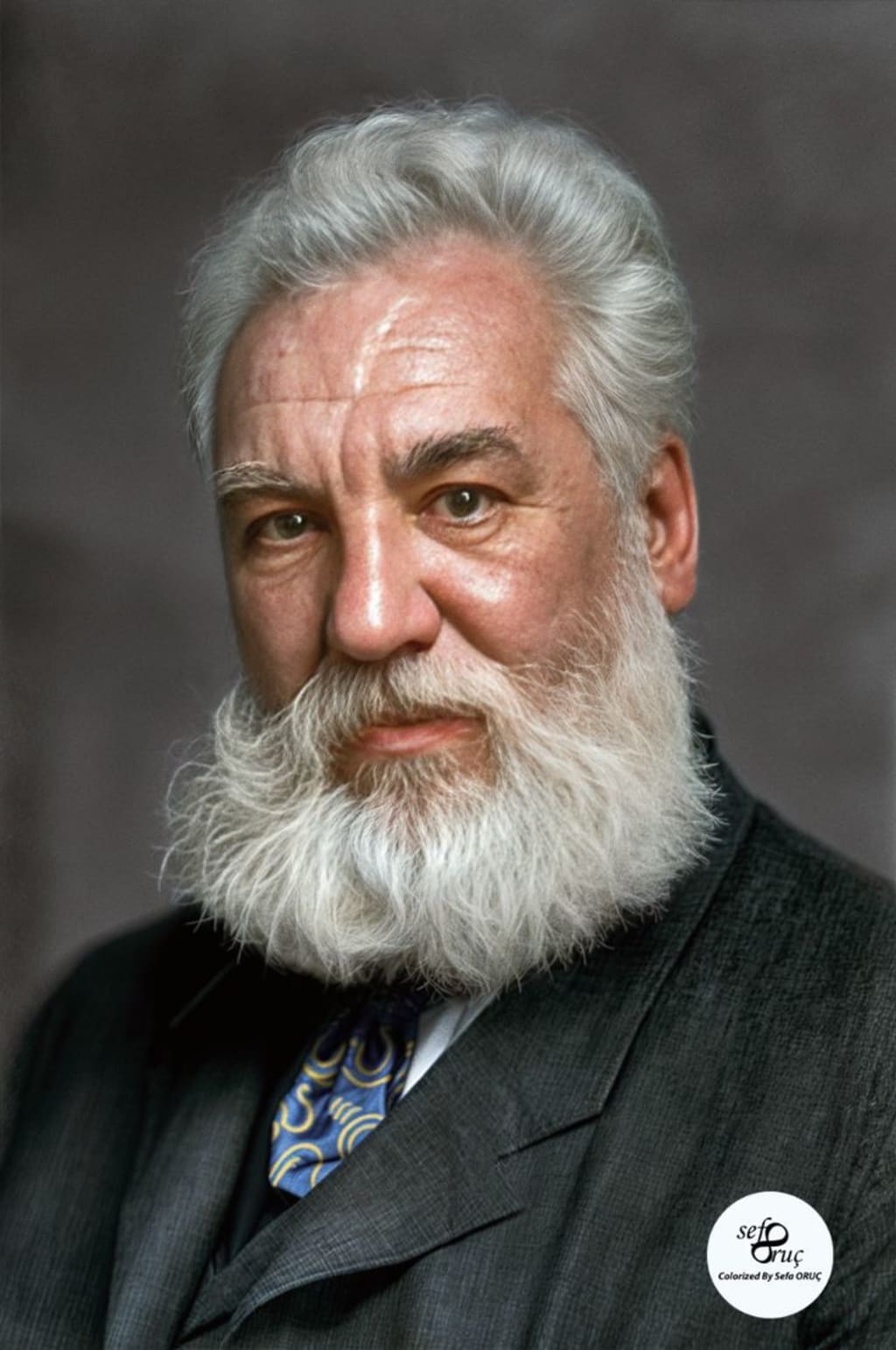
Alexander Graham Bell: The Life and Legacy of a Visionary Inventor
Early Life and Education
Alexander Graham Bell was born on March 3, 1847, in Edinburgh, Scotland, into a family deeply invested in the study of communication and elocution. His father, Alexander Melville Bell, was a renowned speech therapist and the inventor of "Visible Speech," a system to teach the deaf how to speak. Bell's mother, Eliza Grace Symonds, was deaf, which profoundly influenced his interest in helping the hearing-impaired.
From a young age, Bell exhibited an inquisitive mind and a knack for innovation. He was homeschooled by his mother, who encouraged his curiosity and taught him the value of perseverance. Later, Bell attended the Royal High School of Edinburgh, where his love for science and experimentation grew. Though he struggled academically and left school at 15 without formal qualifications, his passion for discovery remained undeterred.
Early Career and Move to North America
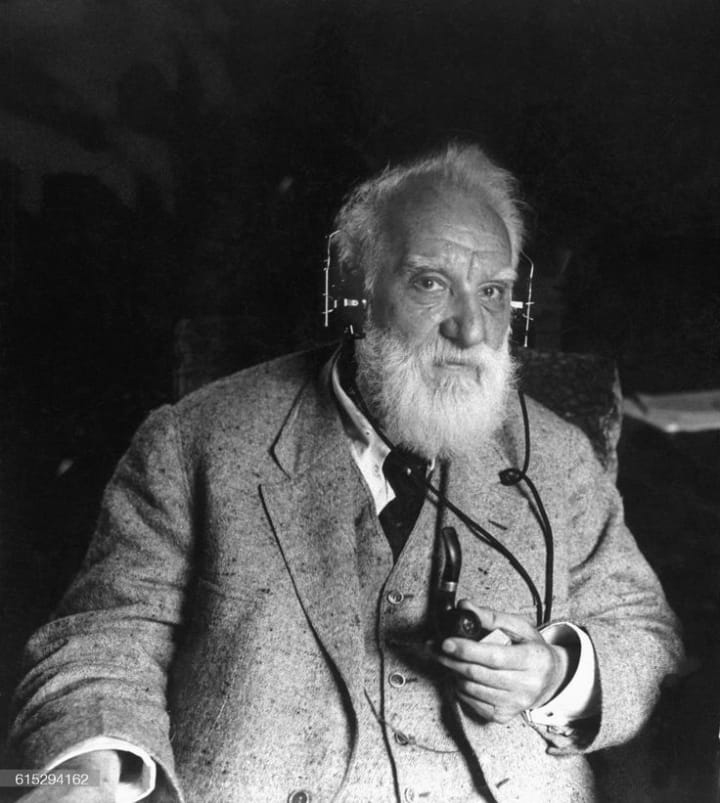
In 1870, tragedy struck the Bell family when Alexander’s younger brother, Edward, died of tuberculosis. This prompted the family to move to Brantford, Ontario, Canada, in search of a healthier environment. Here, Bell continued his experiments with sound and communication, inspired by his father’s work and his interactions with the deaf.
By 1871, Bell had moved to Boston, Massachusetts, where he began teaching at the Boston School for the Deaf. His innovative methods for teaching speech to the hearing-impaired earned him recognition. Around this time, Bell became interested in the possibility of transmitting speech electronically, an idea that would soon dominate his life.
The Invention of the Telephone
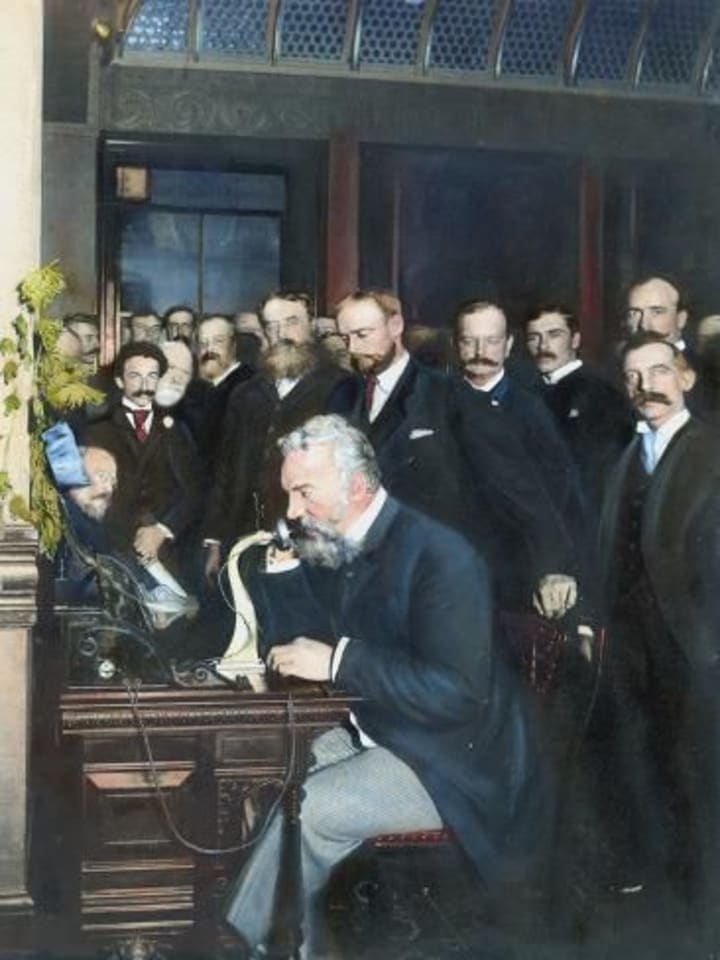
Bell’s journey to inventing the telephone began with his experiments in sound and telegraphy. Working with his assistant, Thomas Watson, Bell sought to improve the telegraph system, which could only send one message at a time. Their collaboration focused on creating a "harmonic telegraph," capable of transmitting multiple messages simultaneously using different frequencies.
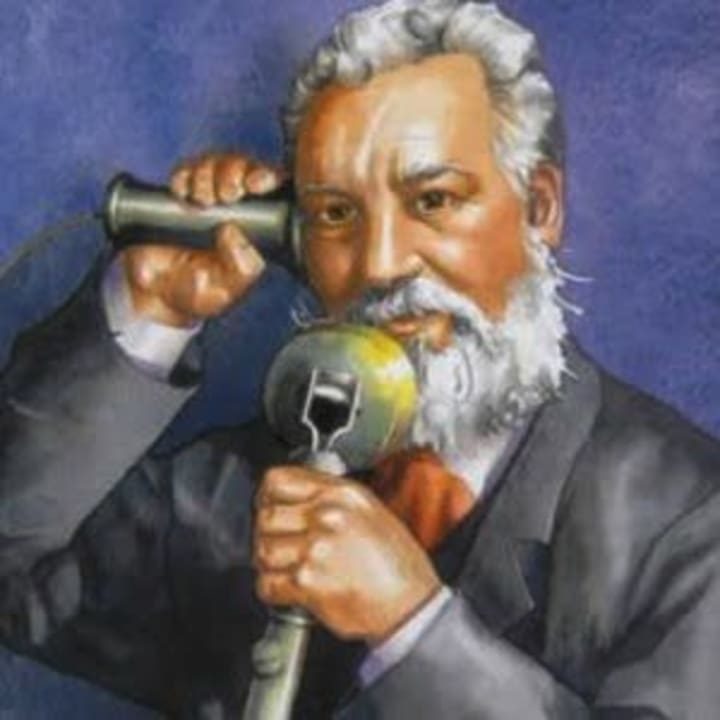
On March 10, 1876, their efforts culminated in a breakthrough. Bell uttered the now-famous words, "Mr. Watson, come here; I want to see you," into a device they had constructed. Watson, in a separate room, heard Bell’s voice clearly through the wires. This moment marked the birth of the telephone.
In 1877, Bell co-founded the Bell Telephone Company, which quickly became a dominant force in telecommunications. The invention revolutionized communication, shrinking distances and laying the foundation for the modern, interconnected world.

Contributions Beyond the Telephone
While Bell is best known for the telephone, his curiosity and creativity extended far beyond this singular achievement. Throughout his life, he worked on various projects and inventions in fields as diverse as aeronautics, medicine, and education.
1. **Work with the Deaf:** Bell remained deeply committed to helping the hearing-impaired. He founded the American Association to Promote the Teaching of Speech to the Deaf (now the Alexander Graham Bell Association for the Deaf and Hard of Hearing). His work emphasized oral communication methods, though it also sparked controversy for opposing the use of sign language.
2. **Aeronautics:** Bell was a founding member of the Aerial Experiment Association (AEA), established in 1907 to advance aviation technology. Under his guidance, the AEA developed innovative aircraft, including the Silver Dart, which made the first powered flight in Canada.
3. **Hydrofoil Boats:** Bell also experimented with hydrofoil designs. His HD-4 hydrofoil set a world speed record for watercraft in 1919, reaching 70.86 miles per hour.
4. **Medical Devices:** Bell worked on a metal detector to locate bullets in injured soldiers. While not successful during its initial use to aid President James Garfield after an assassination attempt, the device was a precursor to modern metal detection technology.
Personal Life and Legacy
In 1877, Bell married Mabel Hubbard, one of his former students who had lost her hearing as a child. Mabel was a constant source of support and played a significant role in managing Bell’s business affairs. The couple had four children, though only two daughters survived to adulthood.
Bell’s later years were spent at his estate, Beinn Bhreagh, in Nova Scotia, where he continued to experiment and innovate. He passed away on August 2, 1922, leaving behind a legacy that transformed global communication and inspired countless inventors.
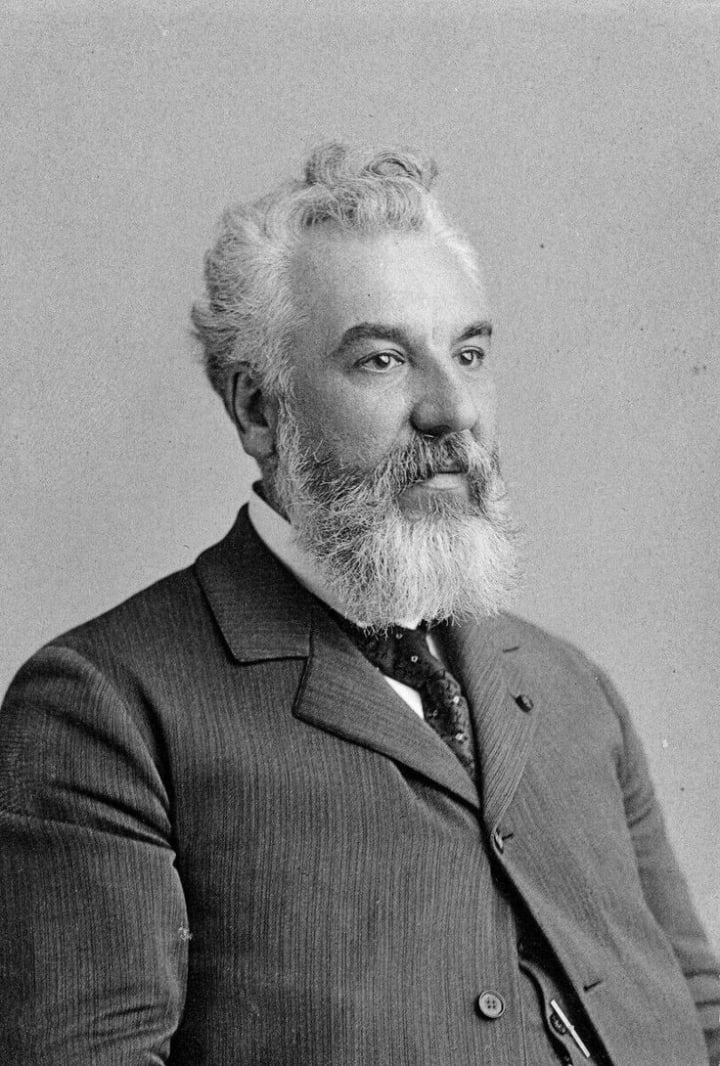
The Impact of Bell's Work
The telephone was more than a technological marvel; it was a societal game-changer. By enabling real-time communication across vast distances, Bell’s invention bridged gaps between people, facilitated commerce, and revolutionized industries. Today, his vision lives on in the smartphones and communication networks that define modern life.
Beyond the telephone, Bell’s commitment to education, science, and invention showcased his boundless curiosity and drive to improve the human condition. His work with the deaf paved the way for advancements in education and rehabilitation, while his experiments in aviation and hydrofoils contributed to technological progress in those fields.
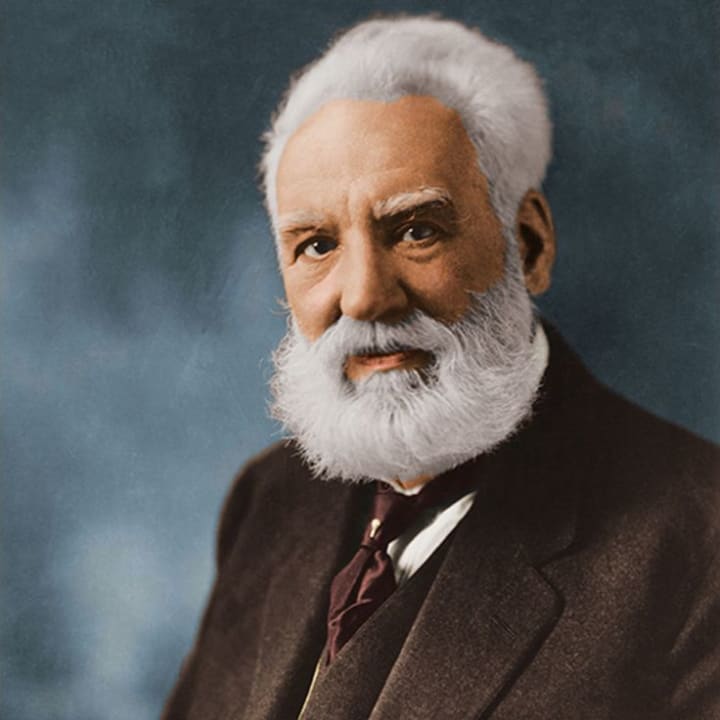
Controversies and Criticisms
Like many historical figures, Bell’s legacy is not without controversy. His advocacy for oralism—the practice of teaching deaf individuals to speak rather than use sign language—has been criticized by some within the deaf community. Critics argue that his approach undermined the value of sign language and deaf culture.
Additionally, Bell’s patent for the telephone faced challenges from rival inventors like Elisha Gray and Antonio Meucci, both of whom claimed to have developed similar devices. While Bell ultimately secured legal recognition for his invention, the disputes highlight the competitive and collaborative nature of technological innovation.
Conclusion
Alexander Graham Bell was a visionary whose life was defined by a relentless pursuit of knowledge and a desire to help others. From revolutionizing communication with the telephone to advancing education for the deaf, Bell’s contributions spanned multiple disciplines and left an indelible mark on the world.
Though his legacy is complex, his impact is undeniable. Bell’s story reminds us of the power of curiosity, determination, and the human capacity for invention. His work continues to inspire innovators who seek to connect and improve the world in new and meaningful ways.
About the Creator
Mahalakshmi
"My name is Mahalakshmi, and I'm passionate about storytelling in all its forms. From fiction to real-life tales, I love writing all types of stories that inspire, entertain, and spark imagination. Join me on this creative journey!"
Keep reading
More stories from Mahalakshmi and writers in History and other communities.
Marie Curie: A Pioneer in Science
Marie Curie: A Pioneer in Science Marie Curie, born Maria Skłodowska on November 7, 1867, in Warsaw, Poland, is one of the most renowned scientists in history. Her groundbreaking work in the field of radioactivity not only earned her two Nobel Prizes but also paved the way for advancements in science and medicine. This article explores her life and achievements, divided into key phases that highlight her journey.
By Mahalakshmiabout a year ago in History
A 4,400-Year-Old Priestess Tomb Discovered in Egypt
Archaeologists in Egypt have uncovered the remarkable tomb of a priestess that dates back approximately 4,400 years, offering new insight into religion, culture, and daily life during the height of the ancient Egyptian civilization. The discovery was made near the famous pyramids on the Giza Plateau, one of the most important archaeological areas in the world. Experts believe the tomb belonged to a high-ranking priestess named Hetpet, who lived during Egypt’s Fifth Dynasty, around 2400 BC. 
By Irshad Abbasi 7 days ago in History



Comments
There are no comments for this story
Be the first to respond and start the conversation.