

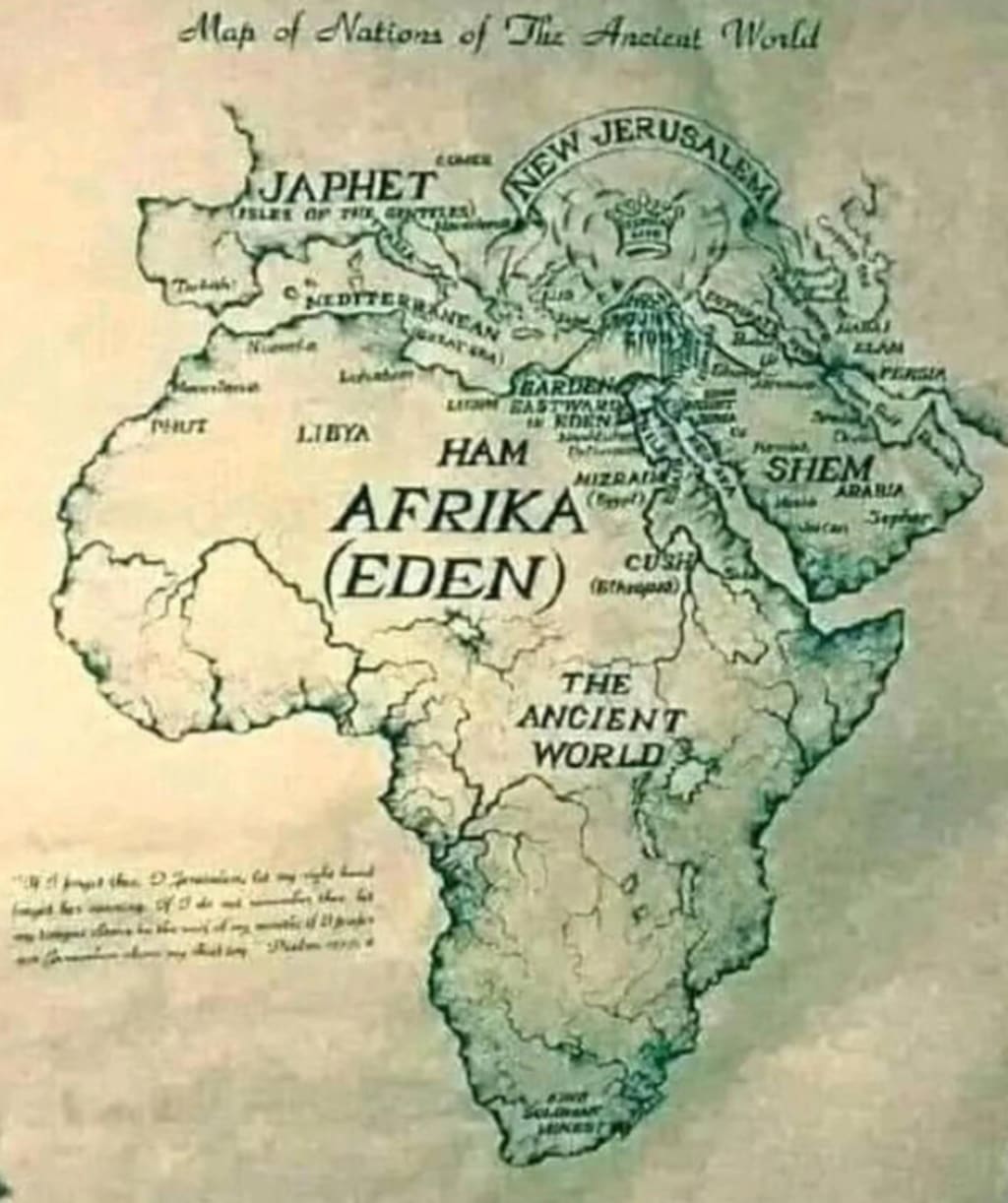
I was born in Africa, Rhodesia, when it was a British colony called Southern Rhodesia. I also lived for a few years in Northern Rhodesia, and went to high school in South Africa. I love Africa, the land, the wild animals, the people, the many cultures, it is a special continent always on the edge of disaster and conflict, but if you love Africa, it stays in your soul.
Before the European settled for the word Africa, the continent was called many other names. They include Corphye, Ortigia,Libya, and Ethiopia, Alkebulan
Other names such as the land of Ham (Ham means dark skins), mother of mankind, the garden of Eden, Kingdoms in the sky, and the land of cush or kesh (referring to the Cushites who were ancient Ethiopian) were used.
No one knows the source of the names for sure. However, the theories below shed some light on how this second largest continent got its new name.
Roman theory
Some scholars believe that the word originated from the Romans. Romans discovered a land opposite the Mediterranean and named it after the Berber tribe residing within the Carnage area, presently referred to as Tunisia. The tribe's name was Afri.
Weather theory
Some believe that the name was coiled from the continent's climate. Deriving from aphrike, a Greek word that means a land free from cold and horror. A variation of the Roman word aprica, which means sunny, or even the Phoenician word afar, which means dust.
Africus Theory
This claims that the continent derived its name from Africus. Africus is a Yemenite chieftain who invaded the northern part in the second millennium BC,It is argued that he settled on his conquered land and named it Afrikyah.
Phoenician Theory
Another school of thought suggests that the name is derived from two Phoenician words friqi and pharika. The words mean corns and fruits when translated. Hypothetically the Phoenician christened the continent as the land of corns and fruits.
Alkebu-lan “mother of mankind” or “garden of Eden”.” Alkebulan is the oldest and the only word of indigenous origin. It was used by the Moors,Nubians, Numidians,Khart-Haddans (Carthagenians) and Ethiopians.
There is little or no certainty on the source or meaning Africa. Several scholars have tried to explain the origin of the word, but none is convincingly correct.
The Africans I have talked to about the origin of the name Africa have all agreed Alkebulan was the original name, but that only encompassed Northern Africa, mainly because they have no recorded ancient history of central and Southern Africa to draw on. only when European sailors, traders and explorers started coming to these regions and documented their travels, and by then the name Africa was being used world wide, documented on maps.
‘But really the name Africa was coined by Europeans from the start, if you accept that Romans discovered the land on the south side of the Mediterranean Sea, when the province of Carthage was settled by them and Phoenicians and Greeks. And really, the Yemenite’s might have named it Afrikayah from their warrior leader, but it wasn’t coined until the Romans wrote it down on documents and maps. So that trumps all claims as to its origin.
First to publish wins.
The Ethiopians probably documented their name for the land early on in recorded history, by writing it in documents incorporated in the Ethiopian Orthodox Bible, but the Romans were exploring and documenting long befor the Christian religion was created, so again the Roman origin of the of Africa wins. At least in my mind. And besides, it’s a beautiful name for a beautiful continent.
About the Creator
Guy lynn
born and raised in Southern Rhodesia, a British colony in Southern CentralAfrica.I lived in South Africa during the 1970’s, on the south coast,Natal .Emigrated to the U.S.A. In 1980, specifically The San Francisco Bay Area, California.
Yajuj and Majuj (Gog and Magog) and the Concept of the “Barrier” That Holds Them Back
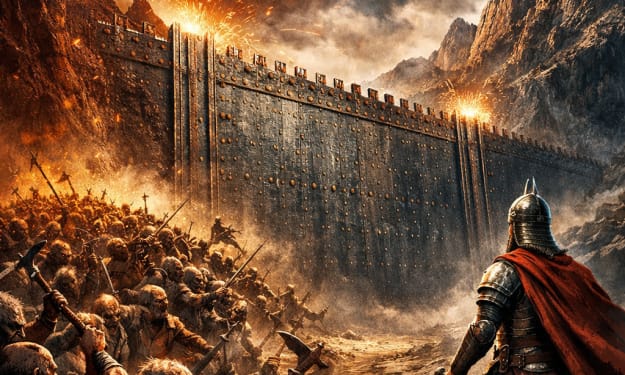
The story of Yajuj and Majuj—known in English as Gog and Magog—occupies a powerful place in Islamic eschatology. These mysterious tribes are mentioned in the Qur’an and Hadith as forces of chaos who will emerge near the end of times. Central to their narrative is the construction of a massive barrier built by the righteous ruler Dhul-Qarnayn, a wall designed to restrain their corruption until a divinely appointed time. This article explores who Yajuj and Majuj are, the meaning of the barrier, and how the concept has been understood historically and symbolically.
By Irshad Abbasi 6 days ago in History


Comments
There are no comments for this story
Be the first to respond and start the conversation.