
About Pat Robertson's presidential run in 1988
Facts of Pat Robertson's presidential run of 1988
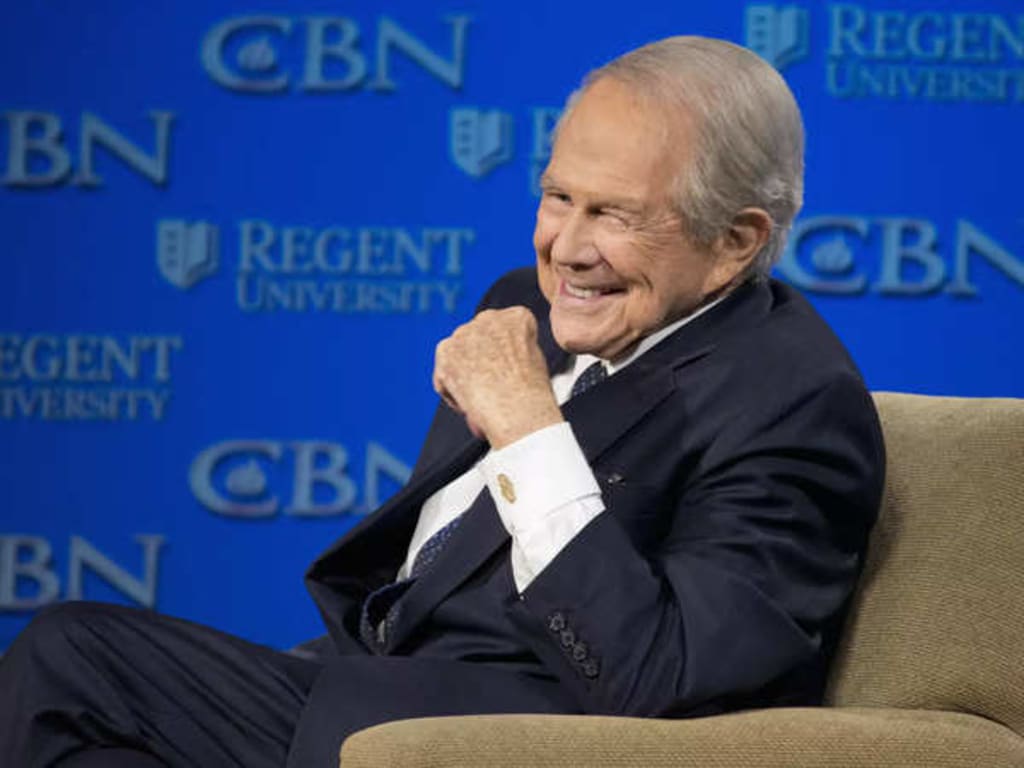
Mobilizing Evangelical Christians: Pat Robertson's candidacy resonated strongly with evangelical Christians, a politically influential group in the United States. He tapped into their concerns about moral and social issues, such as abortion, same-sex marriage, and prayer in schools, which aligned with his conservative Christian values. Robertson's campaign was successful in mobilizing and galvanizing support from this demographic.
Primary Wins: Robertson's campaign gained traction by winning several important contests during the Republican primary season. He won the Washington Caucus and the Alaska Republican Convention, surprising political analysts and challenging the established candidates. These victories demonstrated the strength of his appeal among conservative voters and solidified his position as a serious contender.
The "Christian Coalition": During his campaign, Robertson established the "Christian Coalition," a grassroots organization aimed at mobilizing conservative Christians and expanding their influence in politics. The coalition focused on registering and mobilizing voters and supporting candidates who aligned with their values. This organization became an influential force in American politics, shaping conservative politics for years to come.
Controversial Statements: While Robertson's campaign attracted support, it was not without controversy. He made several controversial statements during his campaign that drew criticism from various quarters. For example, he suggested that feminism encouraged women to "leave their husbands, kill their children, and become lesbians." These remarks fueled public debate and highlighted the ideological divisions in American society.
Relationship with George H.W. Bush: Despite his early successes in the primaries, Robertson eventually lost the Republican nomination to George H.W. Bush, who went on to become the 41st President of the United States. After conceding the race, Robertson became a vocal supporter of Bush's campaign, and the two developed a cordial relationship.
Lasting Impact: Robertson's campaign had a lasting impact on American politics. It brought evangelical Christians into the political spotlight, solidified their role as a significant voting bloc within the Republican Party, and influenced subsequent conservative candidates and campaigns. The mobilization of religious conservatives, as exemplified by Robertson's candidacy, has continued to shape the political landscape in the United States.
Pat Robertson's presidential run in 1988 remains a pivotal moment in American political history, highlighting the influence of religious conservatism and the intersection of faith and politics.
Formation of the Exploratory Committee: In 1986, Pat Robertson formed an exploratory committee to gauge support for a potential presidential campaign. He traveled extensively across the United States, speaking at evangelical gatherings and rallies to assess the level of backing he could expect from the Christian right.
Announcement of Candidacy: On October 1, 1987, Robertson officially declared his candidacy for the Republican Party's presidential nomination. His campaign focused on conservative social and moral issues, such as opposition to abortion and support for prayer in schools. He presented himself as a "Christian soldier" fighting for the restoration of traditional values.
Strong Support from Evangelical Christians: Robertson's candidacy struck a chord with evangelical Christians, who rallied behind him in significant numbers. His Christian Broadcasting Network (CBN) had a vast reach, and he used it to promote his campaign and rally support among conservative Christians across the country. Robertson's ability to mobilize his base and turn out voters in key primary states surprised many political observers.
Wins in Early Primaries: Despite being considered a long-shot candidate initially, Robertson's campaign gained momentum with victories in several early primaries and caucuses. He won the Iowa caucuses, a critical early test, beating out prominent rivals like Bob Dole and George H.W. Bush. Robertson's success in Iowa propelled his campaign forward and caught the attention of the political establishment.
Fundraising Success: Pat Robertson's campaign also achieved notable success in fundraising. He tapped into his evangelical base, emphasizing the importance of supporting a candidate who shared their values. Robertson's campaign received significant financial contributions, allowing him to compete effectively in the primary race.
Relationship with the Republican Party Establishment: Robertson's candidacy created tensions within the Republican Party. While he enjoyed strong support from the conservative grassroots, many party elites and establishment figures were wary of his more controversial statements and perceived lack of political experience. This rift contributed to a divided Republican Party during the primary season.
About the Creator
Harsh kumar
A freelancer blogger just writing some intresting stories
Keep reading
More stories from writers in History and other communities.
Dust
It was dust. Dust had weight there. It pressed into your mouth when you breathed, ground against your teeth, settled into the creases of your eyes. It coated our boots and crept into our weapons no matter how carefully we cleaned them. When the wind picked up, it hissed across the ground like something alive. Long before I heard a shot fired, I understood that the dust would get inside me and never really leave.
By Gaofeng Wang5 days ago in History
A Crisis of Power, Politics, and the People
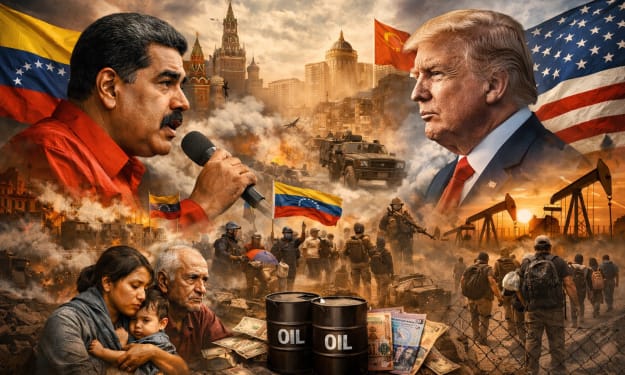
The relationship between Venezuela and the United States remains one of the most complicated political dynamics in the Western Hemisphere. Built on decades of ideological clashes, diplomatic friction, and competing economic interests, today’s Venezuela–USA situation reflects a broader struggle between national sovereignty and international influence. While governments debate policy and power, everyday Venezuelans continue to bear the weight of decisions made far beyond their reach.
By Muhammad Islam khan swati5 days ago in History



Comments
There are no comments for this story
Be the first to respond and start the conversation.