
A Surprise Visit to My Old Village House
What I thought was a nostalgic trip turned into a journey

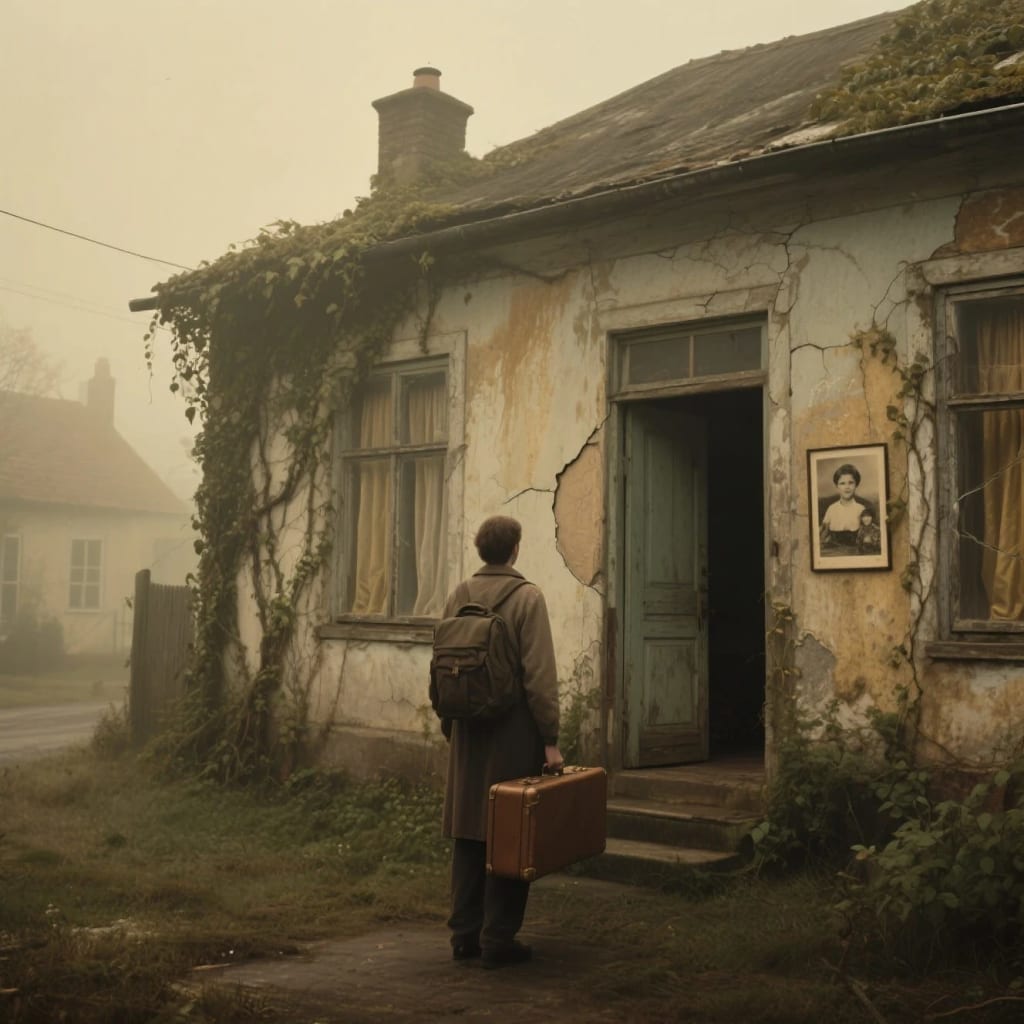
It was a warm spring afternoon when I decided, on a whim, to visit my ancestral village. I hadn’t returned in over two decades. Life had kept me busy with jobs, cities, and forgettable routines. But that morning, an old photo fell from a forgotten book—my mother standing at the front door of our village home, smiling in the sun. Something about it stirred me. An ache. A calling.
So I packed a small bag, left the city behind, and drove for hours until the highways melted into dirt roads. The village hadn’t changed much. The same dusty paths, the same fields swaying lazily in the breeze. Children ran barefoot, laughing with the same freedom I remembered. It felt like stepping back in time.
When I finally reached the house, I stood still, breath caught in my throat. It was older now, weathered and worn, but somehow… waiting. As if it had held its breath for twenty years, just for me.
I pushed the gate open. It creaked in protest. The courtyard was overgrown with weeds and wildflowers. The swing we used to play on was rusted, barely hanging. I ran my fingers along the walls of the house, remembering where I’d once scratched my name as a child.
Inside, the air was thick with silence—and something else. A heaviness I couldn’t name.
Dust blanketed everything. Furniture draped in old sheets. But the smell… it was familiar. Earthy. Like rain on soil. Like memory.
I walked from room to room, each one unlocking a piece of my past. The kitchen where my grandmother used to cook. The staircase where I once fell and broke my arm. My bedroom door, still bearing the sticker I’d placed on it when I was eight.
I hesitated before entering my old room.
When I opened it, the light from the cracked window fell across the bed. The bedsheet was still the same blue. On the desk sat a faded toy car. My fingers trembled as I touched it. My brother’s favorite.
My brother.
The silence grew deeper. Colder.
He had died here.
The memory slammed into me like a wave—his drowning in the village well when we were kids. A tragedy no one spoke of. A wound stitched with silence.
I’d left the village soon after that. Or perhaps, it had left me.
Something creaked above. The attic.
My pulse quickened. I remembered how we used to sneak into the attic as children, even though our parents warned us never to. I climbed the stairs, each step groaning under my weight. When I pushed the attic door open, dust swirled in the shaft of sunlight like ghosts.
Then I saw it: an old trunk. The one my grandfather had kept locked.
The key was still in the lock.
I hesitated, then opened it.
Inside were bundles of letters, photographs, and journals. The first letter I opened was addressed to my mother—from a woman named Anisa. The contents made my hands shake.
“He wasn’t yours to lose,” it read. “You took him from me. He was mine by blood.”
Confused and trembling, I tore through the letters. They told a story I had never heard.
My brother, I discovered, wasn’t my biological brother. He had been adopted from a nearby village—born to a woman shunned for having a child out of wedlock. My parents had taken him in as their own. But Anisa had never stopped writing. Never stopped begging to be allowed to see her son.
And then, the letters stopped.
I sat there in the attic, heart pounding. Had my parents kept him from her? Had they buried the truth along with him?
Suddenly, I felt a chill. The attic door, wide open a moment ago, slowly creaked shut.
I scrambled to my feet, heart racing. There was no wind. No one else was here. Or so I thought.
I ran downstairs, desperate for air. But just as I reached the main hall, I heard it—a whisper.
“Why did you leave me?”
I turned sharply. No one. Just the dust and the fading light.
And then I saw it—on the mirror above the fireplace. A small handprint. Too small to be mine.
I froze.
Was it my brother?
Was it his memory still lingering here, trapped in the walls, waiting for someone to uncover the truth?
I stepped outside, gasping. The sun was setting, casting a golden glow over the courtyard. But it no longer felt like home.
I realized then that my visit was never meant to be simple nostalgia. This house, this place—it had summoned me back to confront what we had buried. What we had ignored.
Before leaving, I went to the well. I hadn’t dared go near it in years. I knelt beside it and whispered a name I hadn’t said aloud since childhood.
“I’m sorry,” I said. “For forgetting. For leaving. For not knowing the truth.”
The wind stirred gently, rustling the leaves. And for a fleeting moment, I felt a warmth beside me. A presence. Not accusing. Just… there.
I left the village the next morning.
But something in me had changed.
I had come seeking memories. I had found secrets, grief, and maybe even a ghost. But most of all, I had found the pieces of a story I never knew I was part of.
And now that I knew the truth, I would carry it. Speak it. So that nothing—no one—would be forgotten again.
About the Creator
Muhammad Sabeel
I write not for silence, but for the echo—where mystery lingers, hearts awaken, and every story dares to leave a mark
Reader insights
Outstanding
Excellent work. Looking forward to reading more!
Top insights
Excellent storytelling
Original narrative & well developed characters
Heartfelt and relatable
The story invoked strong personal emotions
Keep reading
More stories from Muhammad Sabeel and writers in History and other communities.
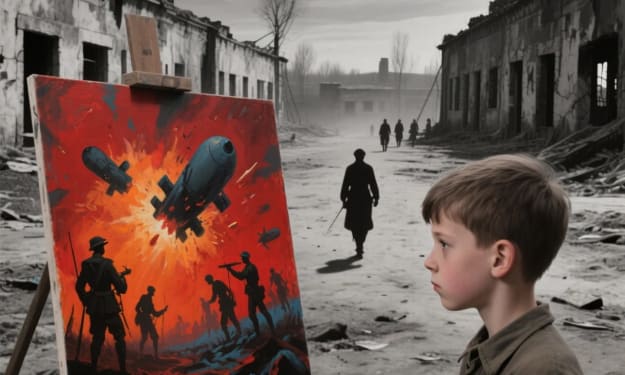
The Boy Who Painted the War in Color
Somewhere in the forgotten attics of Europe, hidden between faded letters and crumbling photographs, there are whispers of a boy who painted the war — not in black and white, like the newspapers showed — but in wild, searing color.
By Muhammad Sabeel11 months ago in History


Comments (1)
So excellent ♦️♦️♦️ I subscribed to you please add me too ♦️♦️♦️🙏