
A History of Tea: From Ancient China to Global Obsession
Unveiling the origin of tea and its journey from ancient rituals to becoming the world's favorite drink.
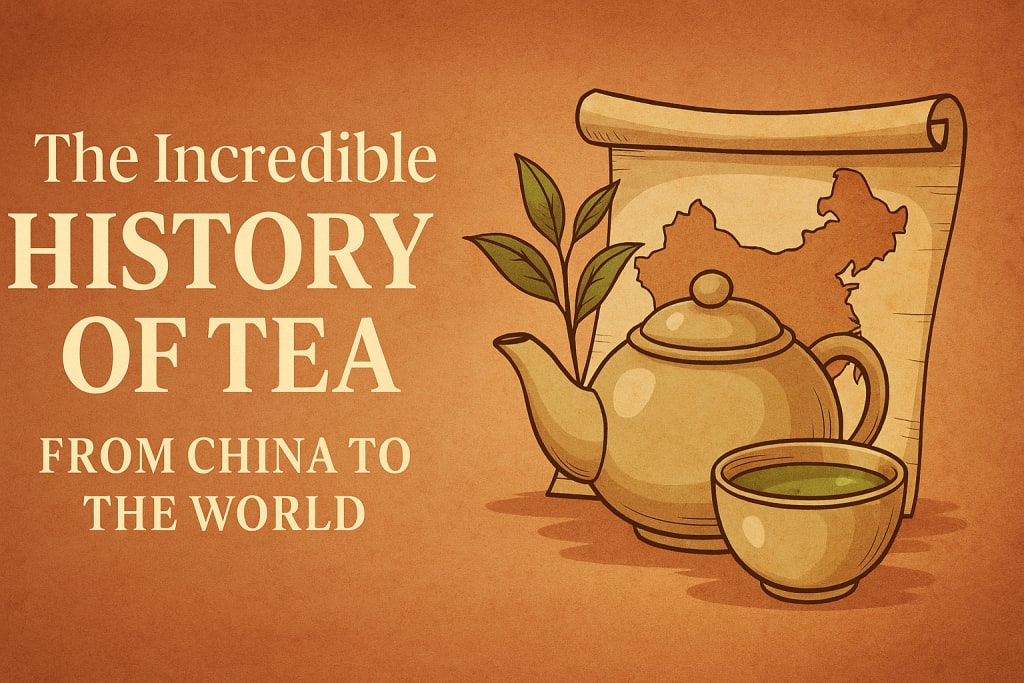
Long before tea became a cultural cornerstone in England or a daily ritual in India, it was discovered by accident—at least, according to legend. In ancient China, the divine farmer Shennong, a mythological figure credited with inventing agriculture and herbal medicine, is said to have poisoned himself 72 times in one day while sampling wild plants. On the brink of death, a leaf drifted into his mouth. He chewed it, and miraculously, he revived. That leaf, the story goes, was tea.
While tea may not actually cure poisons, the tale of Shennong reflects just how sacred and important tea was to early Chinese culture. The origin of tea can be traced back nearly 6,000 years ago in China—long before the pyramids of Egypt rose from the sands. Early evidence shows that tea was first cultivated in what is now the Yunnan province. But the tea plant then wasn’t used as a drink—it was eaten, either as a vegetable or cooked with porridge.
The Evolution from Food to Beverage
It wasn’t until around 1,500 years ago that people in China discovered the flavorful potential of brewing tea leaves in hot water. This marked a turning point in the tea drinking history. Over time, as techniques evolved, people began steaming, drying, and compressing the leaves into bricks or cakes, which were then ground into powder and whisked into hot water—a drink known as muo cha, now globally known as matcha.
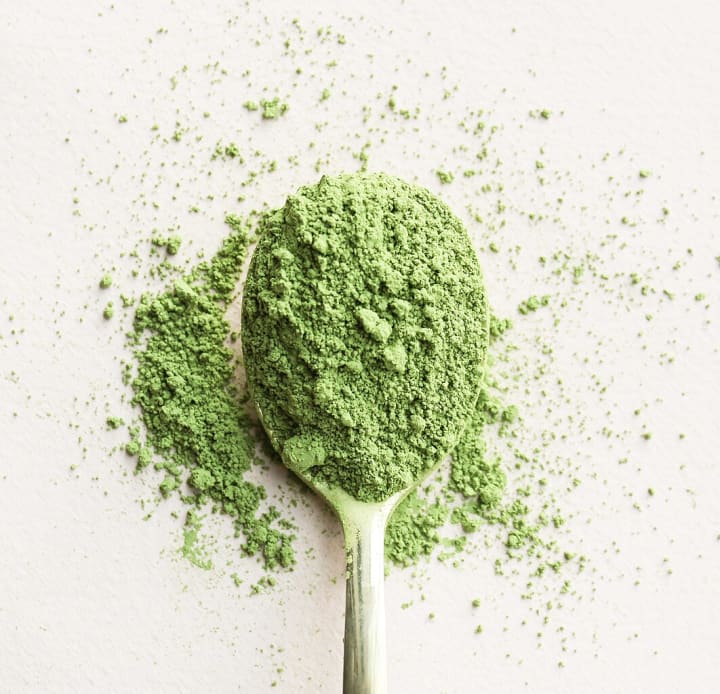
This method gave rise to an intricate tea culture during the Tang and Song Dynasties. Art and literature flourished around the drink, with foam patterns and poetry as common accompaniments to a hot bowl of tea. It was not just a beverage but a refined art and spiritual ritual.
The Journey of Tea to Japan and Beyond
In the 9th century, a Buddhist monk took tea seeds from China to Japan, laying the foundation for what would become the Japanese tea ceremony—a practice that emphasizes mindfulness, grace, and respect. Meanwhile, in China during the Ming Dynasty, tea preparation underwent another shift. The emperor promoted the use of loose leaf tea instead of compressed bricks, changing the way people consumed tea across Asia.
By then, China had a monopoly on where tea comes from, and it became one of the most important exports, along with porcelain and silk. This dominance positioned China as the heart of the global tea trade for centuries.
Tea Arrives in Europe: England’s Love Affair Begins
Tea entered Europe in the early 1600s, thanks to Dutch traders, but it wasn't until Queen Catherine of Braganza of Portugal married King Charles II of England in 1661 that tea in England gained elite status. The queen brought her love of tea to the British court, and soon, tea became a symbol of sophistication and social standing.
By 1700, tea was selling for ten times the price of coffee in Europe, still exclusively sourced from China. This demand gave rise to clipper ships—fast vessels designed to rush fresh tea across oceans to eager buyers. England tea culture was officially born, one that would shape not just British habits, but global trade.
The Dark Trade: Opium and Empire
At first, Britain paid China in silver for tea, but the costs were unsustainable. So the British East India Company proposed an alternative: opium. This decision sparked a devastating public health crisis in China, with widespread addiction. When a Chinese official destroyed British opium supplies in protest, it ignited the First Opium War in 1839.
The war ended in a British victory, the seizure of Hong Kong, and China's declining influence in global trade. It was a turning point in East-West relations and the beginning of a new phase in the history of tea.
Tea Grows in India: A New Empire of Leaves
Eager to control their own supply, the British smuggled tea trees and knowledge from China into India, specifically Darjeeling. Botanist Robert Fortune disguised himself to carry out this secret mission, successfully transplanting the tea industry to British-controlled lands.
From there, tea in India flourished. Darjeeling, Assam, and Nilgiri became famous for their unique tea types. Tea became deeply embedded in Indian society—from chai wallahs serving sweet, spiced masala chai on street corners to refined estate teas consumed globally.
Modern Tea: A Global Sip
Today, tea is the second most consumed beverage in the world after water. From salty Tibetan butter tea to sugary Turkish Rize tea, cultures worldwide have adopted and adapted the drink to their own tastes.
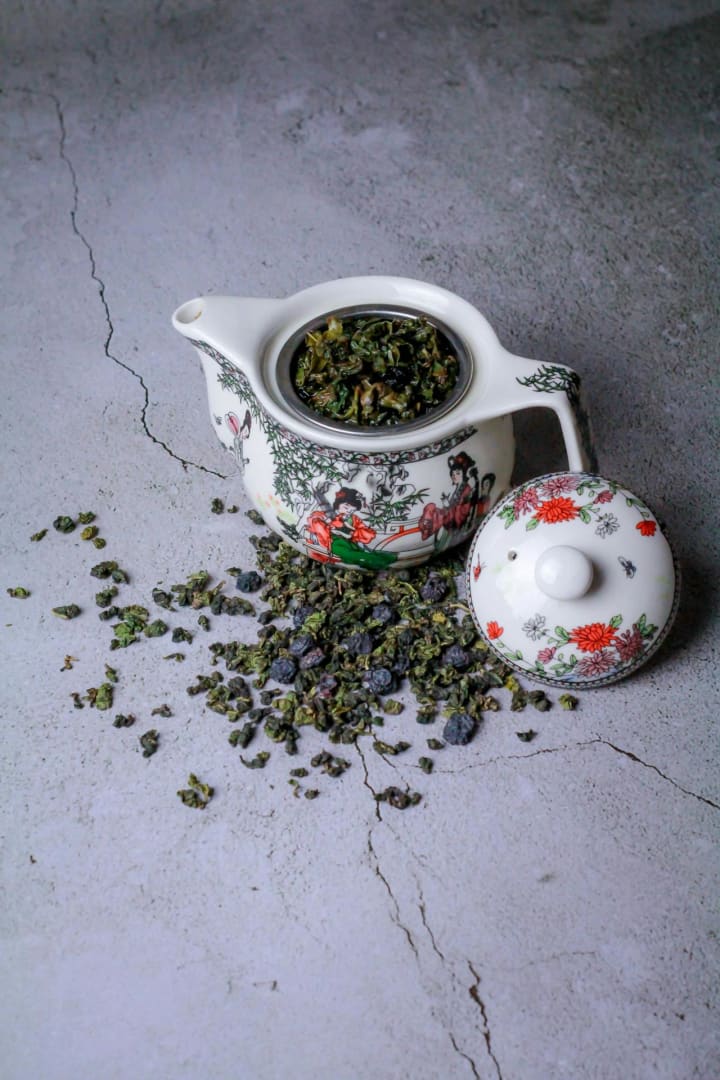
With hundreds of tea types and names—from oolong and white tea to herbal blends and matcha—the tea types list keeps expanding. Whether it's green, black, or pu-erh, the world’s tea varieties reflect the unique environments and cultures that nurture them.
More Than Just a Drink
So, what is tea, really? It's a plant, a tradition, a symbol of hospitality, a commodity, and in many ways, a historical mirror. It has started wars, inspired art, and unified empires. The origin of tea may be rooted in the forests of ancient China, but its branches now extend across every continent.
As you sip your next cup, remember you're participating in a ritual thousands of years in the making, brewed with history, culture, and flavor.



Comments
There are no comments for this story
Be the first to respond and start the conversation.