
A Friend of Queen Nanny
I am the dream and the hope of the slave ~ Maya Angelou

Disclaimer: This is a work of fiction loosely based on historical events. There are gruesome scenes of death and dying
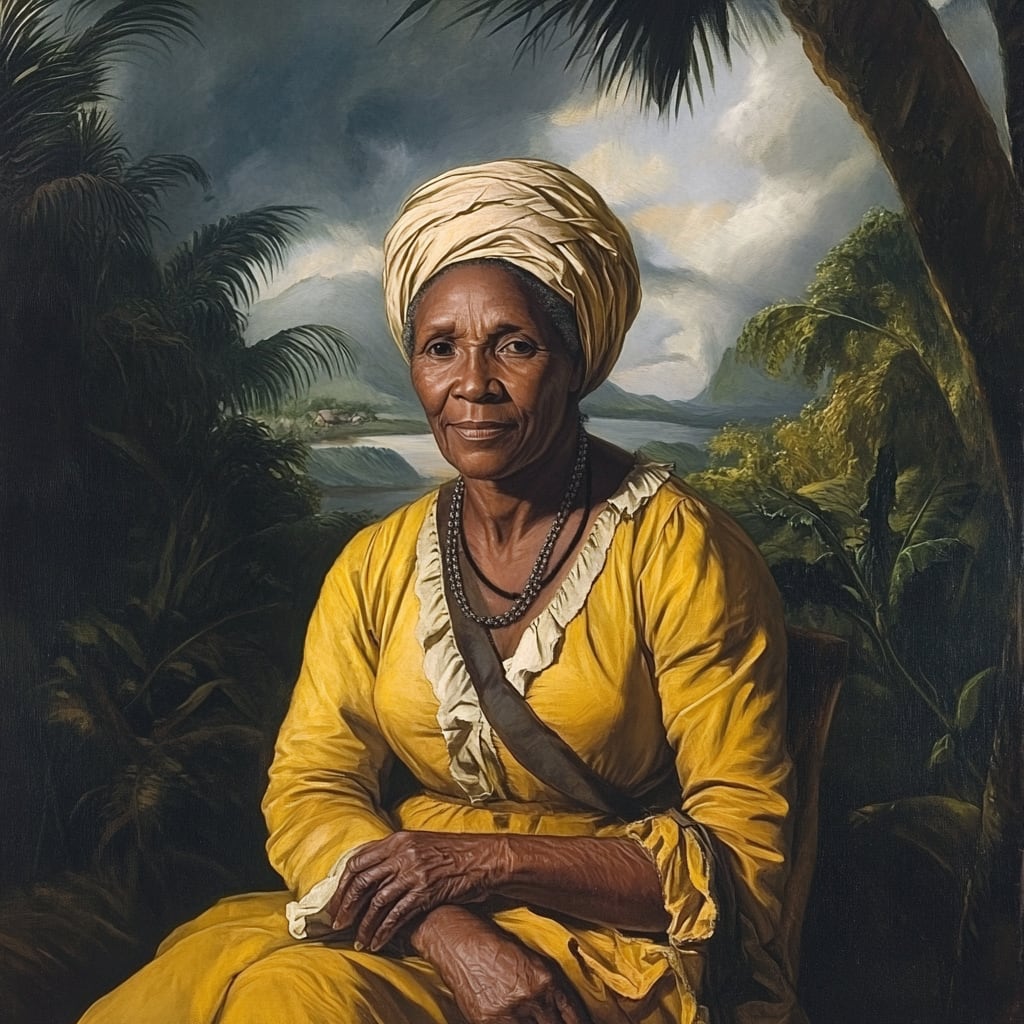
I have seen suffering and affliction by the hands of others, and still I rise. Not just I who rise, but my brothers and sisters too. The ones who came before and the ones to come after. My story does not begin with me, for I am merely a lowly Jamaican Canadian woman of this century. My story begins long ago, to a time that far precedes my existence. Allow me to introduce, Akhiza Sheba, my ancestor.
Akhiza, affectionately known as Mama Sheba, was born between 1679 - 1683. Much of what is known about her is passed down from generation to generation through story telling, or legends. I will share what I know with you today.
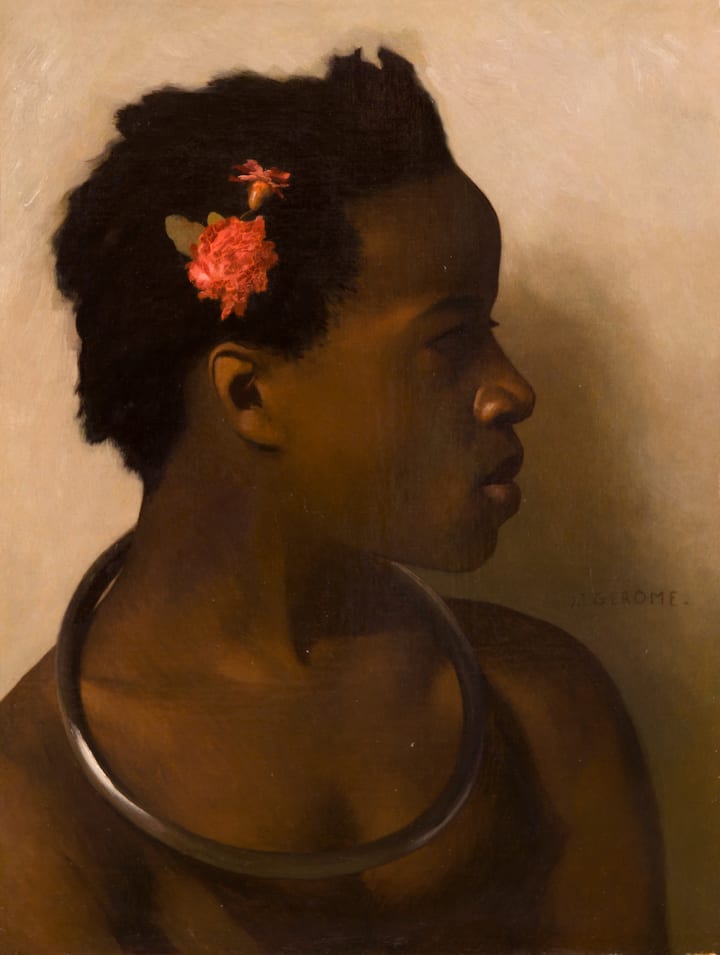
Mama Sheba lived a very content and simple life in the Asante Empire with her mother, father, three brothers, and four sisters. Her father worked long, grueling hours as a farmer growing taro, plantains, and yams. He often left home early before the sun rise and returned late at night to support his large family. Sometimes, it did not seem like it was enough to fill their bellies, but they were satisfied. They had what they needed, and they had each other.
Mama Sheba's mother spent most of her days tending to her eight children: preparing meals, weaving clothes, and teaching them about their people. She was a gifted craftswoman who was skilled in creating beautifully intricate pottery that were sometimes sold at the market or traded with foreigners. As a highly respected member of their society, she was held in high regard and called on for council. She was also known to be a close confidant to the Queen Mother.
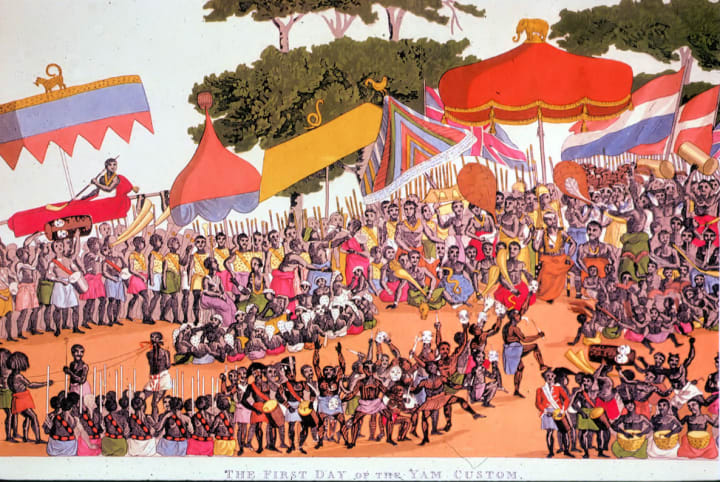
Life was grand and beautiful, indeed. But good things come to an end. The timelines are unclear, but the happy life that Mama Sheba knew ended in bloodshed, agony, loss, and pain. After the Asantehene and the Queen Mother were brutally assassinated in the dead of night by a neighbouring tribe, the kingdom became unsettled, and unrest plagued the kingdom. Mama Sheba's father and brothers, along with the other village men, were murdered in front of their families in despicable displays of dominance. The women and girls were forced to watch as their men's lifeless bodies were dismembered and burned right in front of their eyes. They themselves were dragged away from their homes in great distress and brutal force. Many of the women and girls were violated by their captors for sport. Some of them were beaten to death, others were given away as prison brides to vile men and forced to bear unwanted children. It was a time of deep anguish indeed. But still, they rose.
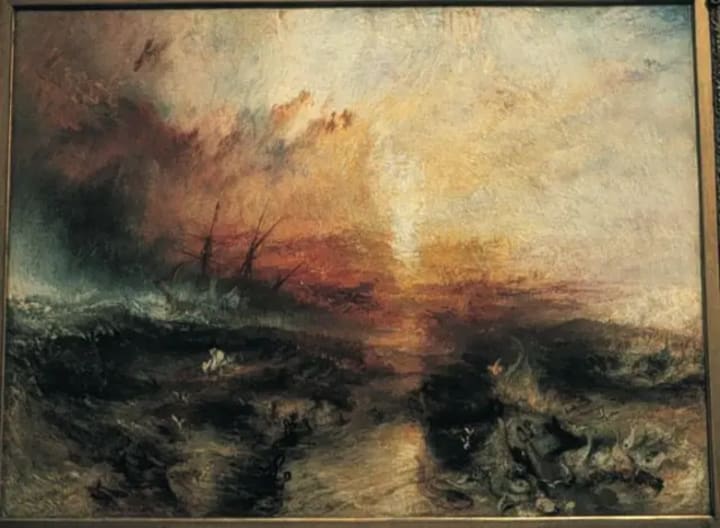
Not much is known about the tribulations that Mama Sheba faced individually, but we know without a doubt that she was surrounded by great sorrow. Eventually she, like many other women and girls, were sold into slavery. Shackled at the bottom of a slave ship with no food or care, destined for the unknown. There is no mention of Mama Sheba's mother or sisters past this point of the story. Maybe they lived to be elderly and passed down their stories like the ancients of old. Perhaps they perished from illness and abuse like so many before them. We will never know for sure. What we do know is that down in the belly of the slave ship, in the dark, damp corner where Mama Sheba lay broken and defeated was a woman named Nanny.
Nanny would later be known as the Queen of the Maroons. She was wild as she was cunning, and she could not be tamed by men or by force. Yes, she was absolutely a force of nature. Although she was shackled with the other slaves, there was something that seemed different about her. Her eyes burned with rage, defiance, and will power no matter how hard the traders tried to beat her into submission.
One whipping was so savage that Nanny nearly died from fever due to the open wounds on her back becoming infected with pus. She laid down on her belly unmoving with her eyes shut tight. The blood-soaked rags that she wore were shredded and an odor worse than death surrounded her. Mama Sheba cared for her during those long, dark nights. She used a rag to drip water on her lips to quench her thirst, and shared sections of moldy bread whenever she could. Many slaves lost their lives, and numerous bodies were thrown overboard like trash. Bit by bit, Nanny's wounds healed, and she regained her strength. She did not speak out as much as before after that, but the flames of rage and defiance never left her eyes. My Mama Sheba and Nanny had a mutual respect since then.
One particular beating was so bad that Nanny nearly died from the open wounds on her back that grew infected with pus. She laid unmoving on her front face turned to the side, eyes shut tight. The blood soaked rags that she wore were shredded and she was engulfed in an odor worse than death. Mama Sheba cared for her those long, dark nights. She used a rag to drip water on her lips to quench her thirst, and shared sections of moldy bread whenever she could. Bit by bit, Nanny's wounds healed and she regained her strength. She did not speak out as much as before, but the flames of rage and defiance never left her eyes. My Mama Sheba and Nanny had a mutual respect for each other since that day forward.
Mama Sheba came to Jamaica in chains, but she did not remain in bondage for long. She would not accept her plight as a slave woman working day and night on a sugar plantation. She would not allow her body to be ravaged night and day by wicked men who used her for their vile desires. She could not let the pride of her people fade away as she was forced to abandon her culture and forced to learn a new language. And so, she followed Nanny, Queen of the Maroons, to freedom at Blue Mountain.
Nanny of the Maroons was a ferocious fighter, and she taught her followers to be as vigilant and ferocious as they needed to be. Freedom and survival were of the utmost importance; worth killing and dying for. Mama Sheba grew in strength as she grew in wisdom, skill, and instinct. She fought diligently beside Nanny and the Maroons as the British captured Nanny Town more than once.
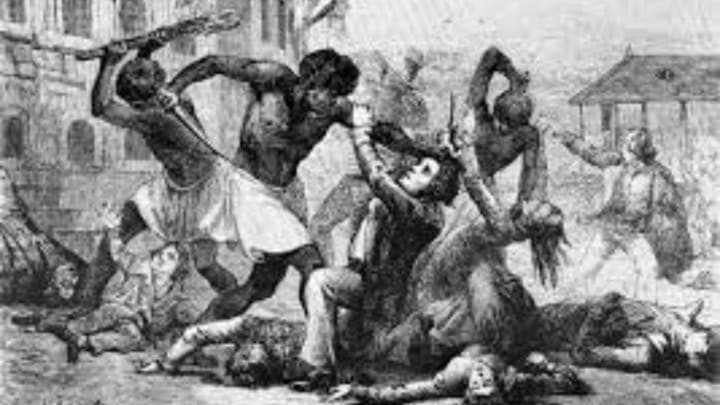
The Maroons were pioneers in guerrilla warfare. They used surprise, their knowledge of the terrain, and the power of camouflage to fight against their enemy. Nanny Town was protected by uneven ground and jagged territory with only one way in. The path was extremely narrow and only wide enough for one person to walk at a time, which made it extremely difficult for enemy soldiers to traverse. Soldiers trying to attack in a single file were easy to ambush. To torment the enemy further, Nanny's forces never killed all the attackers at once. They would allow a few survivors to escape to tell the tale of extreme horror that they endured at the hands of the Maroons.
Mama Sheba was a fierce warrior and tactical leader herself. She fought many battles beside Queen Nanny and the Maroons. Together, they killed many in the name of freedom, and many surrendered their lives for freedom. But not only was she a warrior and a leader. She was a magnificent woman who defied all odds to survive. Through her survival, her people's stories have been passed down from generation to generation, and across nations.
She married three times, outliving all her husbands. Her marriages produced five children in total; three boys and two girls who lived to adulthood and bore children of their own. Her stories continue to strengthen the bonds of our family, transferring the narrative of courage, strength, and hope from parent to child - generation to generation. We owe it all to Mama Sheba for preserving our family history and fostering a deep sense of resilience and ambition. And still, we rise.
About the Creator
Natassia Lawrence
Mother to two future world changers. Lover of food, books and all things beautiful. Professional career coach, full-time kisser of booboos, casual short story writer. Taking you on a journey to uncover the world inside my head.
Keep reading
More stories from Natassia Lawrence and writers in History and other communities.
The Madness
I nestled deeper into the bed, pleading for sleep to overcome me. It was the same thing every single night. Nothing ever changed. I wrapped my comforter tighter around me willing the plush softness to lull me into a false sense of security. But slumber, as always, eluded me.
By Natassia Lawrenceabout a year ago in Horror
The Year 1907 in Review: Fun Facts, Trivia, and Historic Highlights
This quick read is a collection of fun facts, trivia, and historic events from the year 1907. Discover the year’s top news stories, most influential people, sports facts, entertainment trivia, grocery prices, and much more.
By Gregory DeVictor2 days ago in History




Comments (1)
Fascinating read. It's eye-opening how much we can learn about the past through family stories. Can't wait to see how Mama Sheba's story unfolds.