
A Brief History of Coffee: From Ethiopia to the World
Coffee Originated in Ethiopia


The most popular story about coffee’s origins centers on Kaldi and his goats. Around 800 AD, in the Ethiopian highlands of Africa, Kaldi noticed some of his goats exhibiting unusual energy after eating berries from an unfamiliar plant. Driven by curiosity, he tried them himself and experienced a sudden surge of energy and mental clarity. He then took some of the berries to the local monks, and from there, the legend of coffee began.
The Monks’ Misjudgment and Revelation
The monks didn’t believe in the energizing effects of the berries at first. They believed that kind of energy was from evil. As a result, they threw the berries into the fire. The roasting berries emitted an enticing aroma, surprising them.
Realizing their hasty judgment, the monks salvaged the charred berries and brewed them in hot water. Consequently, as they drank this new brew, they were amazed by its energizing effects, which helped them pray for longer periods. Thus began the legend of coffee which originated in Ethiopia.
Spreading Eastward: Yemen’s Role in Coffee’s Journey
The story of these energizing berries spread rapidly, eventually carrying coffee to the Arabian Peninsula. From there, its journey across the globe began. Yemen is the place that holds asignificant role in shaping the world’s coffee history.
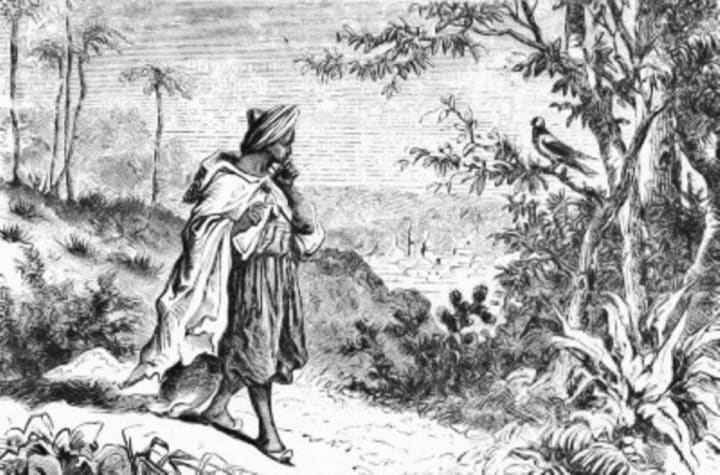
According to Yemeni legend, a Sufi priest in Ethiopia discovered energizing berries that birds were eating. This discovery eventually led to the creation of coffee. Tired from traveling, he tried the berries and felt a burst of energy like the birds, probably because of the caffeine in the cherries.
Many people believe that coffee beans were originally sent from Ethiopia to Yemen. The exact origins of this event are not clear. Yemeni merchants subsequently cultivated coffee plants on their home soil. Promoting the widespread growth of coffee cultivation and trade began on the Arabian Peninsula.
The Interweaving of Cultures: Yemen’s Coffee Legacy
Yemen has a unique coffee culture with strong traditions and symbolism. This culture has had a significant influence on the history of coffee. In Yemen, the local beverage called “qahwa” is important for socializing and bringing people together in a unique style.
Caffeine in coffee makes people more alert and talkative at gatherings. This leads to interesting conversations and connections.
In Yemen, coffee is a big part of daily life, from special ceremonies to unique brewing methods. As merchants traded coffee along old trade routes, the drink crossed borders and became popular with people all over. (Wagner, 2005)
Charting the History of Coffee Timeline
- 9th Century AD: Kaldi encounter with energizing berries in Ethiopia lays the foundation for coffee’s discovery.
- 15th Century AD: Coffee cultivation spread to Yemen, where it spread worldwide.
- 16th Century AD: Coffee house as “qahveh khaneh,” emerge in the Middle East.
- In the 17th century, coffee became popular in Europe thanks to Dutch traders. Coffee houses became important places for culture and business, like a public meeting spot.
- 18th Century AD: The rise of coffee plantations in the New World, make coffee into a global commodity.
- In the 20th century, instant coffee and espresso machines changed how we drink coffee and helped the coffee industry grow.
Beyond Legend: The Oromo People and Coffee Culture
Folklore claims that Kaldi or mythical figures found coffee. However, the true history of coffee originates from the Oromo people of Ethiopia. The nomad from the Wallaga region has been growing coffee for many years. They use the coffee in their cultural traditions and ceremonies.
Coffee Affect on Society and Economy
The story of coffee isn’t just about growing and drinking it; it’s about how it changed the world. Coffee has profoundly impacted economies and societies across continents.
From the first coffee houses to the modern cafes we know today, these spaces have served as hubs for human connection, cultural exchange, and the sharing of knowledge — with many societal changes originating within their walls.
Since coffee became a global commodity, countless farmers in numerous countries have been lifted out of poverty. For some nations, coffee has become a primary agricultural product, contributing significantly to their GDP. The establishment of coffee plantations in areas like Brazil, Colombia, and Vietnam has driven economic expansion and reshaped environments, even influencing former European colonies.
The Evolution of Coffee Culture
The story of coffee changes over time as people’s preferences, technology, and society change. Coffee lovers have found many ways to enjoy their favorite drinks, from traditional brewing methods to new gadgets. So, this change shows how coffee culture keeps innovating and adapting.
Furthermore, each new development adds another layer to the rich and diverse narrative of coffee’s journey through time. Moreover, the rise of specialty coffee houses and artisanal roasters has elevated the coffee experience, emphasizing quality, stability, and craftsmanship. As coffee culture continues to evolve, it remains a vibrant and ever-evolving tapestry of tradition and art.
Conclusion
Coffee is the second most popular beverage in the world, after water. From its motherland, Ethiopia, coffee has connecting people and diverse cultures through its rich aroma and invigorating energy.
About the Creator
Pham Duc Toan
Family, strong bonds, and the perfect cup of coffee—that's my world. I'm sharing my experiences, the good, the challenging, and the deep thoughts.
Keep reading
More stories from Pham Duc Toan and writers in History and other communities.
Enthralling Saga of yemen coffee history
Introduction to Yemen Coffee History Coffee is one of the most popular drinks in the world. Although coffee originated in Ethiopia, it was only after arriving in Yemen that coffee began to have a brilliant history and spread globally. Exploring Yemen coffee history will help to understand the country’s culture and its influence on global civilization.
By Pham Duc Toanabout a year ago in History
Is the U.S. Preparing to Attack Iran?
Is the U.S. Preparing to Attack Iran? Inside the Rising Tensions and Possible Military Pathways In early 2026, tensions between the United States and Iran reached one of their highest points in years. For weeks, dramatic political rhetoric, shifting military postures, and warnings from leaders around the world have fueled alarms that a U.S. military strike against Iran may be imminent. Yet as of now, no confirmed attack has occurred, and the situation reflects a complex mix of pressure, preparation, de-escalation, and diplomatic uncertainty that illustrates how modern conflict can hinge just as much on words and positioning as on direct action.
By Wings of Time 4 days ago in History
No ICE, No KKK, No Fascist USA
"I don't 'do' politics." Politics will do you, regardless. Watching from the sidelines for the last year I can see far too many similarities in the way Trump's ICE Gestapo is to Nazi Germany. Considering the United States just invaded Venezuela and kidnapped their President and his wife I would say we are there.
By Lyvia Jack6 days ago in History
How, Too
Many people wonder how, too. You are not alone, and I am an expert. I will teach you how, too! First, you need to remit a small application fee and fill out an application describing the nature of your financial situation and how often payments will be made, as this will have great bearing on how well I teach you how, too.
By Harper Lewis3 days ago in Fiction



Comments
There are no comments for this story
Be the first to respond and start the conversation.