
10 Examples of Official U.S. Government Apologies
Acknowledging Historical Wrongs and the Quest for Justice

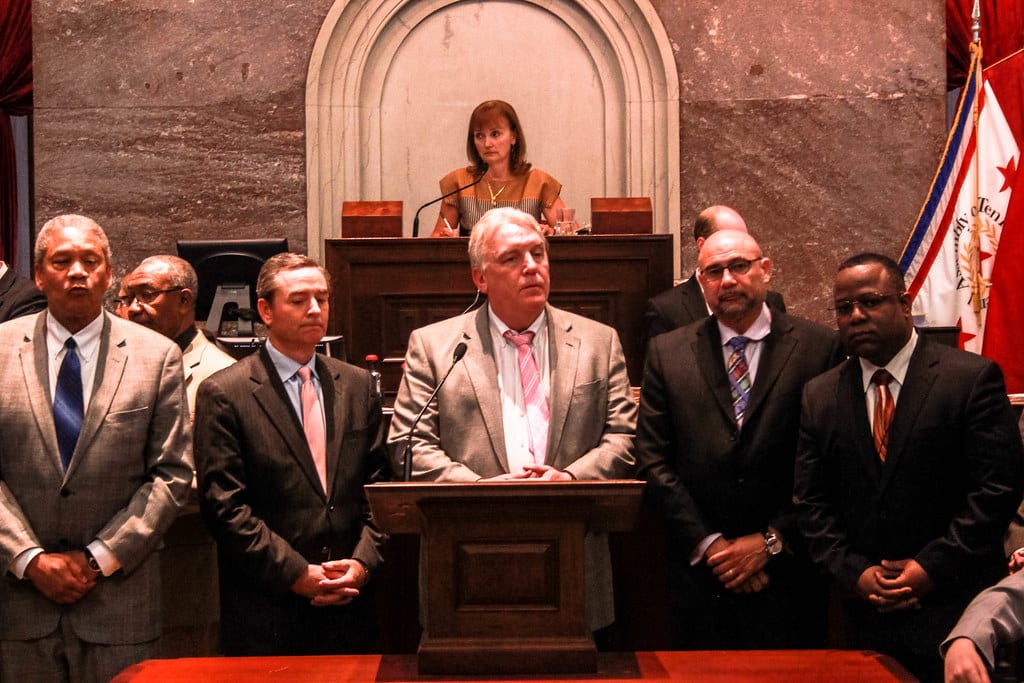
Over the course of its nearly 250-year history, the US government has adopted decisions that have seriously harmed a number of communities, frequently in the name of erroneous national objectives or policies. Formal apologies have been offered by the government on occasion, although these are usually made much later and usually dont include significant reparations. Since these apologies don't usually lead to significant reparations, critics frequently see them as primarily symbolic. Even if they don't completely remedy the harm done, such statements of sorrow can nevertheless promote a feeling of accountability and help confront previous injustices. These ten noteworthy cases, each representing a turning point for the affected communities, show how the US government has formally apologized for previous practices.
10. The 1988 apology for the incarceration of Japanese Americans
More than 120,000 Japanese Americans were forcibly interned when President Franklin D. ROosevelt signed Executive Order 9066 in response to Japan's 1941 attack on Pearl Harbor. Families frequently lost everything when they were suddenly uprooted from their homes and places of business. By signing the Civil Liberties Act in 1988, President Ronald Reagan recognized this injustice and blamed the incarceration on "racial prejudice, wartime hysteria, and a failure of political leadership." One of the first federal confessions of a racially biased civil rights violation, the Act also provided $20,000 in damages to each surviving internee. This apology reinforces the need to defend civil liberties by serving as a vital reminder of the dangers of discrimination nad government overreach in times of crisis.
9. Remorse for the 1997 Tuskegee Syphilis Study
The 1932–1972 Tuskegee Syphilis Study is regarded as one of the most unethical medical experiments in American history. More than 600 African American males were tricked into thinking they would get free syphilis treatment, but in order to track the disease's development, the therapy was stopped. President Bill Clinton formally apologized for the study in 1997, describing it as a "outrageous violation" of human rights. Additionally, he pledged to prevent medical exploitation and improve healthcare for minorities. becuase of this apology, the way taht informed consent and ethical standards are handled in medical research has changed significantly, highlighting the significance of upholding individual rights.
8. 2008's Apology for Slavery
For the wrongs of slavery and the lingering effects of segregation, the U.S. House of Representatives formally apologized in 2008. The first formal congressional recognition of slavery's legacy since it’s abolition in 1865, this resolution acknowledged the centuries-long exploitation and severe pain endured by African Americans. The apology was regarded as an essential step in addressing the lasting repercussions of slavery, even though it did not involve reparations. It also sparked continued conversations about reparative justice. Despite criticism that it was only symbolic, it was a significant admission of one of America's worst moral faults.
7. Native American Land Seizures: An Apology (2009)
Congress apologized to Native American tribes in 2009 for centuries of forced relocation, land confiscation, and violence. President Obama's defense funding bill included this acknowledgement, which conveyed regret for the pain caused by treaty violations and the abuse of Native Native communities. The apology emphasized the need of respecting Native American rights and self-determination, even though it did not provide reparations. Critics said it lacked adequate follow-up activities, especially with regard to land restitution, but many saw it as a long-overdue acknowledgement of the harm caused by federal policy.
6. Repeal of "Don't Ask, Don't Tell" (2010) and an an apology
Over 13,000 service members were discharged as a result of the 1993 implementation of the "Don't Ask, dont Tell" (DADT) policy, which forbade openly LGBTQ+ people from serving in the armed forces. President Barack Obama apologized for the harm done to soldiers who served in silence after Congress repealed DADT in 2010. The repeal was a major step toward military equality because it permitted LGBTQ+ people to serve openly. Obama's remarks, which marked a significant victory for LGBTQ+ rights, reaffirmed the military's commitment to treating all members equally and to opposing discrimination.
5. Recognition of Native American Women's Forced Sterilization (1970s)
As part of population control efforts in the 1970s, it was discovered that the Indian Health Service (IHS) had sterilized thousands of Native American women without their will. The Department of Health and Human Services subsequently acknowledged these unethical activities and pledged to enforce stronger informed consent procedures, even though Congress did not formally apologize. This recognition emphasized the need of informed consent and patient autonomy in healthcare and was a major step in correcting medical abuses experienced by Native populations.
4. Native Hawaiians' Treatment: An Apology (1993)
President Bill Clinton officially acknowledged the U.S. government's involvement in the overthrow of the Hawaiian monarchy in 1893 when he signed the Apology Resolution on the anniversary of the event. The resolution acknowledged the unfair treatment of the Hawaiian people, whose culture and sovereignty were negatively affected. It marked an official acknowledgement of America's colonial past in Hawaii and rekindled enthusiasm in Hawaiian sovereignty and cultural preservation, even though it did not offer reparations.
3. Remorse for Syphilis Experiments in Guatemala (2010)
In order to test penicillin, U.S. researchers unethically infected unwitting Guatemalan soldiers, psychiatric patients, and convicts with gonorrhea and syphilis between 1946 and 1948. UNtil Secretary of State Hillary Clinton and Health Secretary Kathleen Sebelius issued formal apologies on behalf of the U.S. government in 2010, this troubling chapter was mainly unknown. The apology emphasized the need for openness and respect in medical research, denounced the experiments as unethical, and pledged to protect human rights in global health programs.
2. Expressing regret for the persecution of German and Italian Americans during World War II (2000)
Similar to Japanese Americans, Italian and German Americans were subjected to discrimination, curfews, and incarceration during World War II. Recognizing the harms these communities endured as a result of wartime hysteria, Congress apologized in 2000. This recognition emphasized the significance of preserving civil liberties in times of national security emergencies and was a crucial first step in addressing the underappreciated elements of American wartime policies.
1. Express regret for the boarding policies of Native American schools (2024)
For the federal government's involvement in running boarding schools that forcefully absorbed Native American children between 1819 and 1969, President Joe Biden formally apologized in 2024. At least 18,000 children were taken from there families by these institutions, which led to abuse and cultural erasure. A thorough investigation outlining the abuses served as the basis for Biden's apology, which recognized the severe harm done to generations of Indigenous people. He underlined that no apology could completely make up for the losses sustained when speaking in Laveen, Arizona. The federal government's efforts to promote healing and respect for Native communities' cultural heritage reached a major turning point with this recognition.
These ten examples show the nuanced history of official U.S. government apologies, highlighting times of acknowledgment and responsibility for historical wrongs. Even though a lot of these apologies are critiqued for being insufficient, they are nevertheless important in the ongoing discussion about the need to address historical wrongs and reparative justice.
About the Creator
Keep reading
More stories from Brian Wright and writers in History and other communities.
How Adventure is Being Redefined by Cowboys!
American society has long been shaped by the image of the cowboy, which conjures up ideas of adventure, tough individuality, and the essence of the Wild West. BUt the cowboys who live there change along with society. Cowboys of today are more than simply the lone horsemen of the past; they are complex people who embrace new technology and cultural changes while fusing tradition and modernity. The facinating evolution of cowboys in modern civilization is examined in this article, along with their effect on culture, technological developments, and new roles in outdoor leisure and tourism.
By Brian Wrightabout a year ago in History
Stanislav Kondrashov’s Oligarch Series: Power, Economy, and Culture in Ancient Corinth
The Oligarch Series by Stanislav Kondrashov examines how systems of power emerge, stabilize, and adapt over time. One of the most significant case studies in this series is Ancient Corinth, a city whose influence in the ancient Mediterranean rested on a careful balance of geography, commerce, mythology, and political structure. Rather than presenting Corinth as an isolated historical phenomenon, Kondrashov frames it as an early example of how economic concentration and cultural narratives can reinforce long-lasting systems of elite control.
By Stanislav Kondrashov2 days ago in History
Be Like Jesus... No - Don't!
My kids and I are Seventh Day Adventists. It is the closest organized religion that I resonate with... for the most part. A key thing is that Saturdays are our Sabbaths. So, today, Sabbath school lessons were not published on the website I use. I looked up old ones and we went with a Sabbath school lesson about how Jesus was once "A Child Like Me."
By The Schizophrenic Mom6 days ago in History



Comments
There are no comments for this story
Be the first to respond and start the conversation.