
When Hollywood Turns Killers Into Heartthrobs: The Ryan Murphy Effect by NWO Sparrow
Why turning real-life murderers into handsome stars distorts true crime and disrespects the victims.

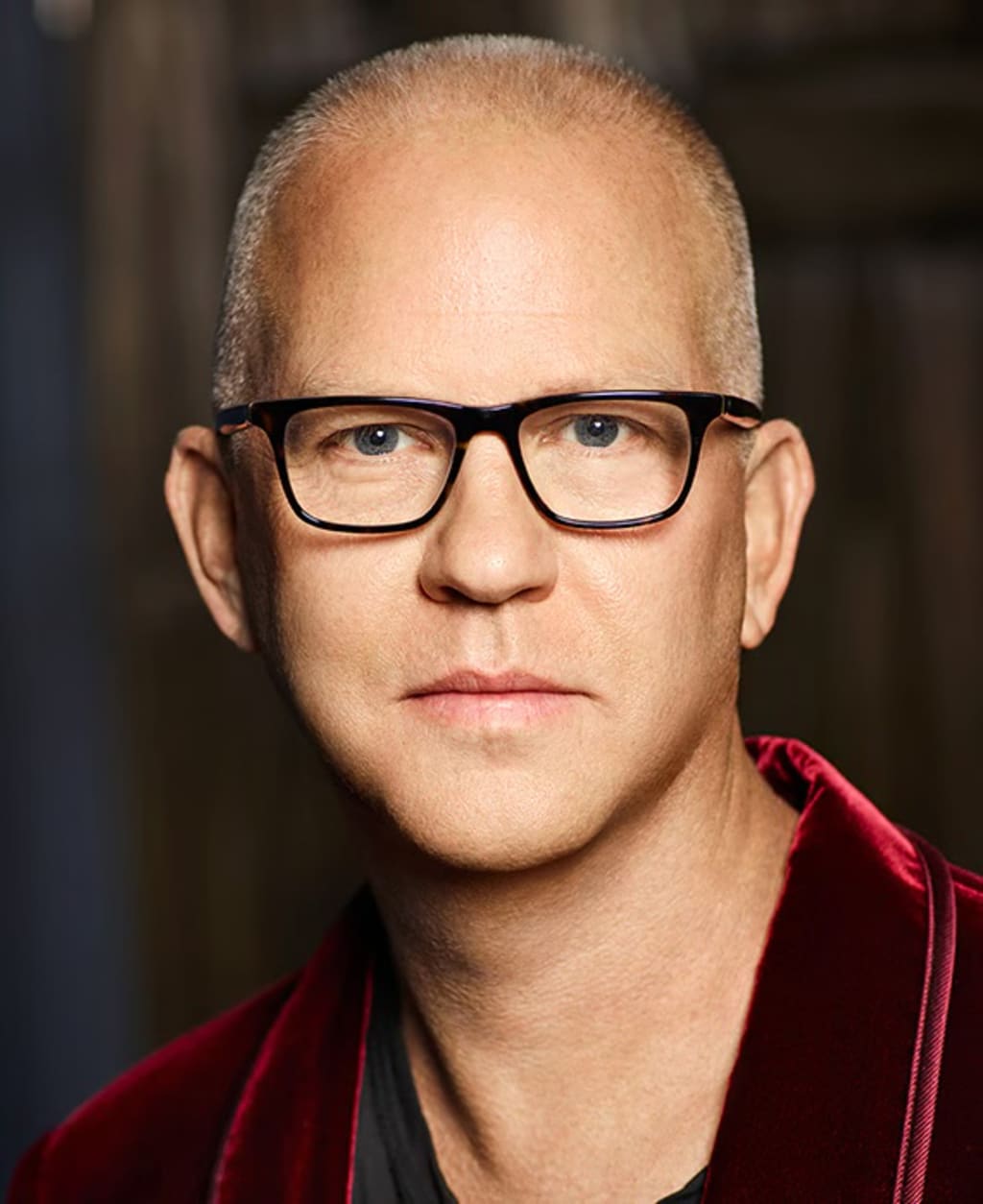
A deep dive into how Ryan Murphy’s casting choices have made killers into cultural crushes. by NWO Sparrow
This is NWO Sparrow. I am writing as a man who watches horror and true crime with a reporter’s eye and a family member’s heart. I am tired of a pattern I am seeing across Ryan Murphy’s recent work. He tells stories about real violence and then dresses those stories up in a way that makes the perpetrators look like movie stars. That choice matters. It changes how we remember the dead. It changes how the public talks about victims. It makes monsters into objects of desire and entertainment. I find that wrong. I want to explain why I feel that way, and ask some hard questions about who benefits from these transformations.
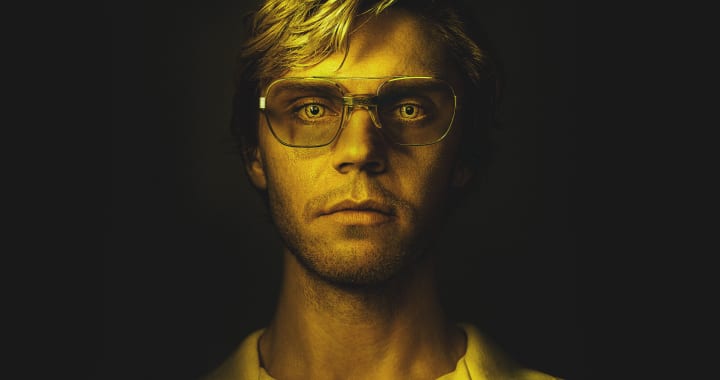
When Murphy made his dramatization of Jeffrey Dahmer he cast Evan Peters. The performance is chilling and technically skilled. But watching the show, it was impossible to ignore how the casting and the production choices turned Dahmer into a figure who could be watched with the same intensity people give to a charismatic anti hero. That is not an accident. Murphy’s work amplifies charisma. That amplification can end up obscuring cruelty. It can make viewers discuss style and performance and not the people who were killed. Families of victims and community members said as much at the time. Murphy even publicly said he reached out to loved ones while defending his research and approach. The controversy showed that skilled storytelling can still leave real harm in its wake.
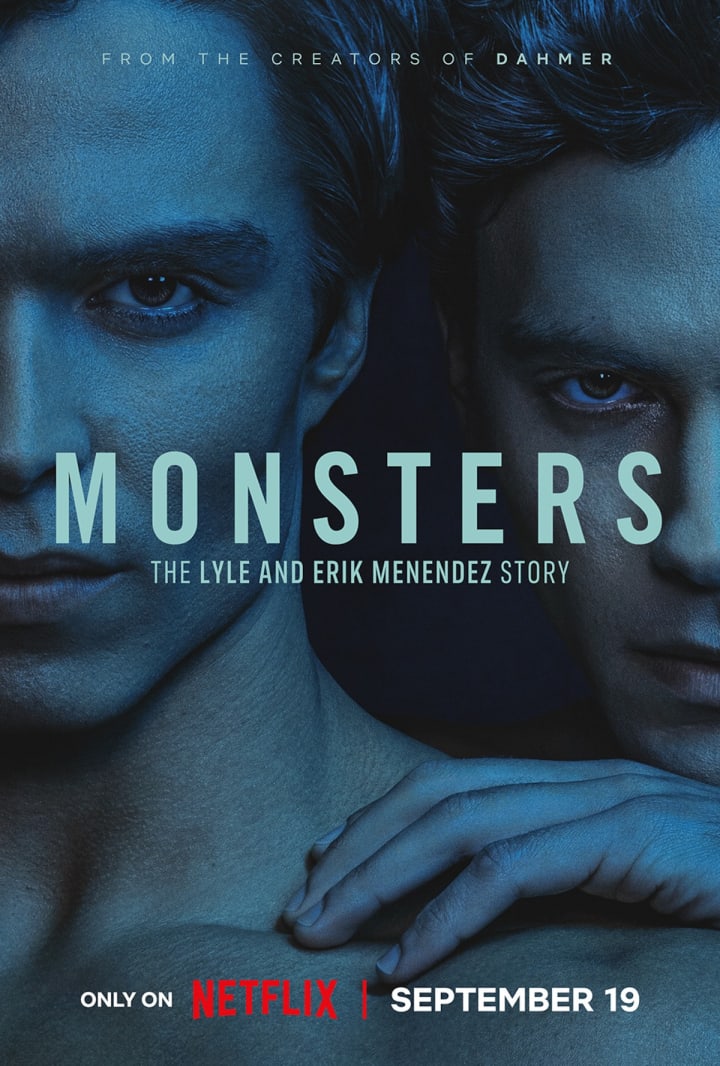
It happened again with the Menendez brothers series. The story of Lyle and Erik Menendez is not just a crime and courtroom drama. It is a wound in a family that was torn apart in public. Murphy’s series framed the brothers in a broader social context and offered a point of view that emphasized trauma. Critics argued that the show risked inviting sympathy for the killers and smoothing the edges of a brutal act. Erik Menendez himself reacted angrily to his dramatization. The series raised the same question as the Dahmer project. Who is the story for? Is the audience being asked to empathize with the actors instead of mourning the real victims? When a show centers performance and star power it can shift attention from the lives cut short to the actor who plays the killer.
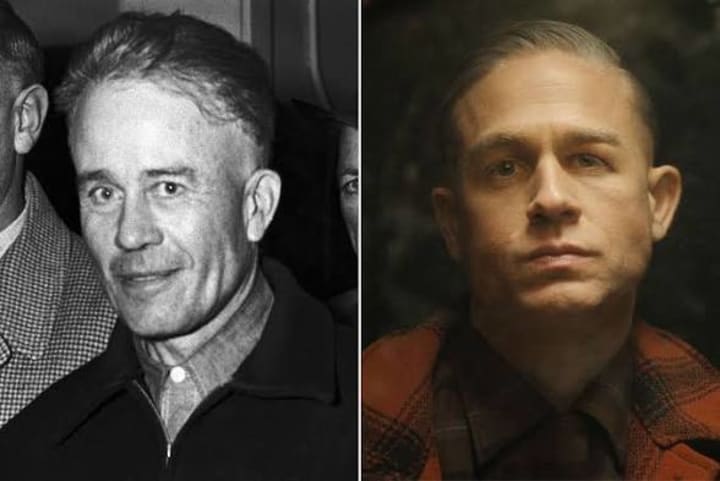
Now Murphy has given us a dramatized account of Ed Gein. Charlie Hunnam plays Gein. Hunnam has spoken about his fear after taking the role and how he worried he had made a terrible mistake. That admission is telling. Even the actor felt the weight of playing a man whose crimes are grotesque and perverse. But the public reaction is already following a familiar script. Comment sections and social feeds explode with fascination. Some people make tasteless jokes. Others obsess over the actor rather than the reality. That obsession is not trivial. Ed Gein’s case inspired works of horror for decades. That cultural footprint means his crimes cast a long shadow already. Murphy’s version adds another high profile retelling that will affect how people imagine Gein for years to come. The show’s creators say they intend to explore context and trauma instead of voyeuristic gore. But intent does not equal outcome. The show’s reach and the way it packages its lead actor will shape the conversation more than the nuance in the writers’ room.
I am writing this because these are not abstract criticisms. They are emotional. When I listen to someone online celebrate or fetishize a killer I feel anger and disgust. I think about the families who wake up every day without their son or daughter. I imagine those families scrolling feeds and finding people who treat the killers like idols. That is a real harm. It is also dehumanizing to victims. It is a form of theft. It robs victims of the solemnity and dignity their lives deserve. It replaces grief with fandom.
Murphy can tell difficult stories without glamorizing the people who committed the violence. There are ways to center victims without stripping complexity from the villains. Casting matters. Production choices matter. Marketing matters. If you cast a conventionally handsome or charismatic actor you are making a cultural decision about how viewers should feel. The handsome actor draws attention. The machine of publicity builds desire. The result is that some viewers turn to performative fantasies about being connected to the crime or the criminal rather than reckoning with the trauma. That is not a theoretical concern. It is a social effect we can see trending on social platforms and in comment threads. We should also be honest about entertainment economics. A charismatic lead sells tickets and streams. Producers want that. Murphy is a master of spectacle and controversy. He knows how to make shows that trend. But commercial success cannot be the only metric. When storytelling profits by turning real harm into glamour it should earn scrutiny. I am not asking Murphy to stop telling these stories. I am asking for accountability in the choices he makes and transparency about why those choices were made.
Ask yourself some questions when you watch the next true crime dramatization. Who is on the poster? Who is being photographed with the most flattering lighting? Who gets the red carpet interviews? Who are the focus of the press cycles when the show drops? If the answers all point toward the actor and not toward the victims or the community impacted by the crime you are seeing a pattern. If a series invites admiration for the appearance or charisma of a murderer we should talk about why. We should also demand that conversations about victims are not an afterthought. There are concrete alternatives. Tell the story through the lens of those who survived. Invest screen time in family members, community leaders, and the people who fought for justice. Use casting to reflect reality rather than to manufacture desire. Put resources into public service campaigns that support victims. Offer trigger warnings that mean something and provide links to resources for trauma survivors. All of this can be done without turning off the general audience. Storytellers can be commercially successful and ethically minded at the same time.
I do not want to moralize without nuance. Great performers can illuminate the darkness inside people and show us how monsters are made. But there is a line between exploration and celebration. Murphy’s packages often blur that line. When that happens it is worth calling it out. Not because we want to deprive audiences of art. Because we want to ensure art does not come at the expense of human dignity. In the end this is about respect. Respect for the people who are no longer here. Respect for the families who live each day with the aftermath. Respect for the truth of what happened. And respect for the fact that dramatization is a choice. Those choices carry consequences. Ryan Murphy has the power to shape public imagination. He should use that power with care. We as viewers should demand nothing less.
If you watched these series and felt uneasy, you are not wrong. If you found yourself scrolling through threads that fetishize killers and felt sick, you are not alone. It is time for the conversation to expand beyond performance and into responsibility. Murphy can continue to make bold, disturbing television. He can also do it without turning killers into icons. The victims deserve that much.
MONSTER: The Ed Gein Story | Official Teaser | Netflix
More related TV News and Stories from NWO Sparrow
Follow my VOCAL MEDIA page for more TV news and Stories
About the Creator
NWO SPARROW
NWO Sparrow — The New Voice of NYC
I cover hip-hop, WWE & entertainment with an edge. Urban journalist repping the culture. Writing for Medium.com & Vocal, bringing raw stories, real voices & NYC energy to every headline.
Keep reading
More stories from NWO SPARROW and writers in Geeks and other communities.
'The Handmaid's Tale' Spinoff: 'The Testaments'
The Testaments is NOT a sequel to The Handmaid's Tale. It is a spinoff. So, what's the difference? A sequel continues the story of the original work, often featuring the same characters and setting. A spin-off centers on a secondary character or concept from the original and creates a new narrative.
By Margaret Minnicksa day ago in Geeks



Comments
There are no comments for this story
Be the first to respond and start the conversation.