
What Are You Afraid Of? — A Horror Film That Turns Fear Into a Mirror
A psychological horror film that forces us to confront the fears we hide from ourselves

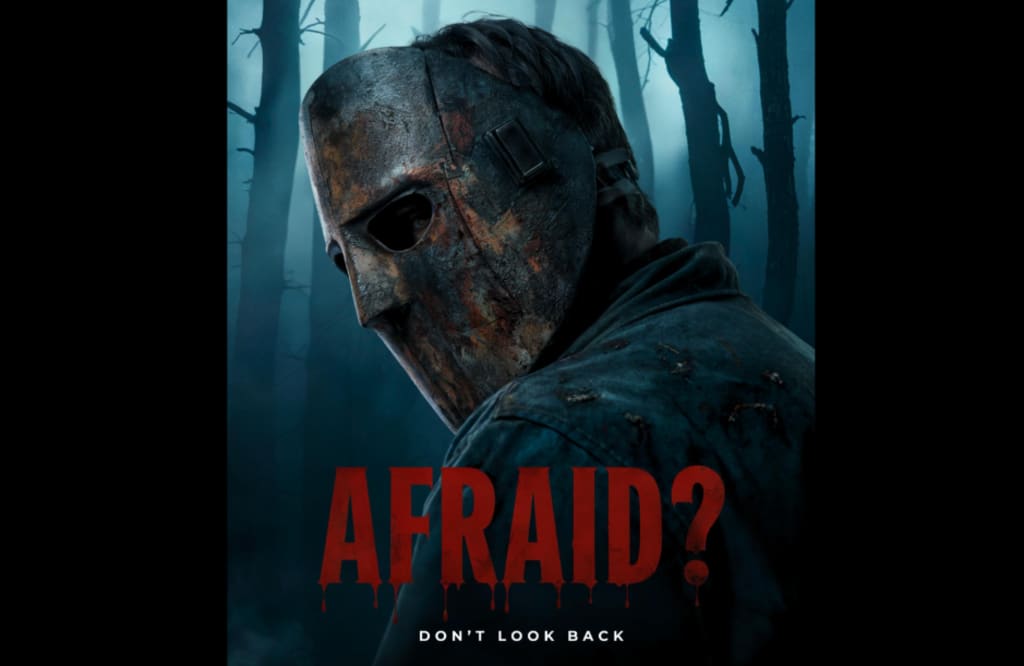
Horror films have always asked us to confront fear, but What Are You Afraid Of? doesn’t simply want to scare its audience—it wants to expose them. Rather than relying solely on jump scares or excessive gore, the film digs deeper, turning fear into a psychological and emotional landscape. It asks a question that lingers long after the credits roll: what are you really afraid of, and why?
At its core, What Are You Afraid Of? is less about monsters in the dark and more about the ones we carry within ourselves. The film uses the horror genre as a vessel to explore anxiety, guilt, repression, and the uncomfortable truths we often avoid confronting. In doing so, it becomes a story that feels disturbingly personal.
Fear as a Personal Experience
One of the film’s greatest strengths is its understanding that fear is not universal—it is deeply individual. What terrifies one person may mean nothing to another, and What Are You Afraid Of? leans heavily into this idea. Rather than presenting a single, clearly defined threat, the movie allows fear to take on different shapes, forms, and meanings depending on the character experiencing it.
This approach makes the film feel intimate. Instead of watching characters react to external danger, we watch them unravel from the inside. The horror doesn’t always announce itself; sometimes it creeps in through silence, hesitation, or a look that lingers just a second too long. These moments are far more unsettling than loud scares because they feel real—like emotions we recognize in ourselves.
Psychological Horror Over Cheap Thrills
Unlike mainstream horror that prioritizes shock value, What Are You Afraid Of? takes a slower, more deliberate route. The pacing allows tension to build naturally, creating a sense of unease that never fully dissipates. This is the kind of horror that doesn’t rush to scare you—it waits.
The film understands that anticipation is often more frightening than action. Scenes are allowed to breathe, letting the audience sit with discomfort instead of escaping it. This restraint shows confidence in the story being told. It trusts that the viewer is willing to engage emotionally, not just react instinctively.
When frightening moments do occur, they feel earned. They’re not there to jolt the audience awake, but to reinforce the psychological state of the characters. The fear is purposeful, not performative.
Themes of Trauma and Avoidance
A recurring theme throughout What Are You Afraid Of? is avoidance—how people run from pain instead of facing it. The film suggests that fear grows stronger when ignored, feeding on denial and silence. Trauma, whether acknowledged or not, shapes behavior, relationships, and self-perception.
Rather than offering easy resolutions, the film presents fear as something that must be confronted honestly. This doesn’t mean everything can be “fixed,” but it does mean that pretending fear doesn’t exist only gives it more power. In this sense, the movie feels almost therapeutic, though never comforting.
It challenges the audience to reflect on their own coping mechanisms. What do we avoid? What memories or emotions do we bury? And what happens when those buried fears resurface?
Atmosphere That Speaks Louder Than Dialogue
Visually and tonally, What Are You Afraid Of? thrives on atmosphere. Lighting, sound design, and framing work together to create a sense of constant unease. Darkness is used strategically, not to hide action, but to suggest the unknown. Silence becomes just as important as sound, often signaling danger before anything actually happens.
The environments feel claustrophobic even when characters are physically alone. This reinforces the idea that fear is internal—there is no true escape from it. The camera often lingers, forcing the audience to notice details they might prefer to ignore. These stylistic choices make the film feel immersive, drawing viewers into the same mental space as the characters.
A Title That Doubles as a Challenge
The title What Are You Afraid Of? functions as more than just a name—it’s a direct challenge to the audience. By the time the film ends, that question no longer feels rhetorical. It feels personal.
This is where the movie truly succeeds. It doesn’t allow viewers to remain passive observers. Instead, it invites introspection. The fears portrayed onscreen may differ from our own, but the emotions behind them—shame, regret, loss, uncertainty—are universal.
The film’s ambiguity works in its favor. Rather than spelling everything out, it leaves room for interpretation. Different viewers will walk away with different answers, shaped by their own experiences. In this way, the movie continues long after it’s over, living on in thought and conversation.
Not for Everyone—and That’s the Point
It’s important to note that What Are You Afraid Of? won’t appeal to all horror fans. Those seeking fast-paced thrills or clear-cut explanations may find it frustrating. The film demands patience and emotional engagement, and it rewards viewers who are willing to meet it halfway.
But for audiences who appreciate psychological horror—stories that unsettle rather than overwhelm—this film offers something meaningful. It respects the intelligence of its viewers and trusts them to sit with discomfort instead of escaping it.
Final Thoughts
What Are You Afraid Of? is a reminder that the most powerful horror doesn’t come from external threats, but from unresolved emotions and unanswered questions. By blending psychological depth with atmospheric storytelling, the film transforms fear into a reflective experience.
About the Creator
Keep reading
More stories from James S Pope and writers in Geeks and other communities.
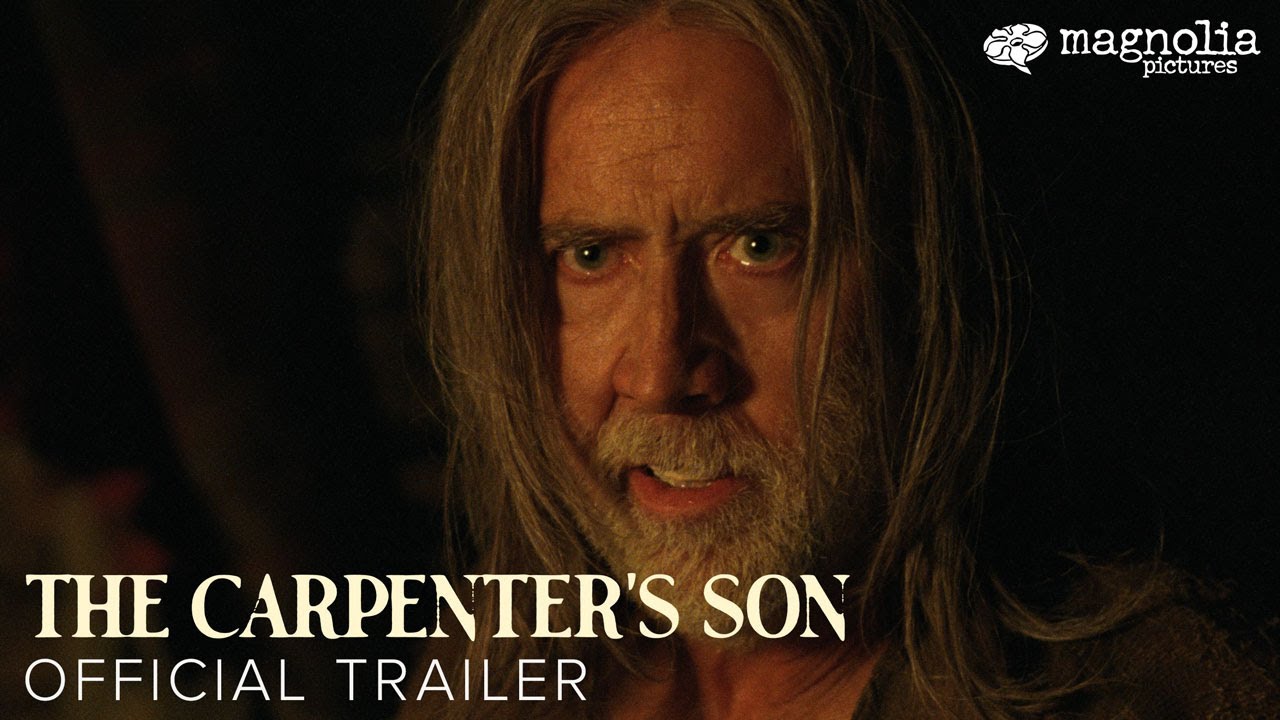
The Carpenter’s Son — A Haunting Reimagining of Faith, Identity, and Fear
Some films don’t announce themselves with spectacle or noise. Instead, they whisper, linger, and slowly carve their way into your thoughts. The Carpenter’s Son is one of those films. It doesn’t rely on traditional horror tropes or grand religious iconography to make its impact. Instead, it offers something far more unsettling: a quiet, emotionally charged exploration of belief, destiny, and what it means to grow up under the weight of expectation.
By James S Popeabout a month ago in Geeks
Silver Screen Magic with Mae West
American actress and singer Mae West became a popular film actress during the Great Depression. She started entertaining in vaudeville, then performed on Broadway, and finally went to Hollywood. She signed up with Paramount Pictures and made her debut in the 1932 film “Night After Night.” She also starred in musicals, comedies, and crime dramas. The American Film Institute named her one of the best classic Hollywood actresses.
By Rasma Raisters7 days ago in Geeks
25 Years Ago The World Welcome Hobbits & Lord of The Rings into Theaters
Twenty-five years ago, a gamble reshaped cinema—and few people realized it in the moment. Where it all started! In December 2001, audiences stepped into Middle-earth with The Lord of the Rings: The Fellowship of the Ring, and something quietly seismic happened. This wasn’t just another fantasy movie arriving for the holiday season. It wasn’t a niche genre experiment or a disposable blockbuster meant to fade once the credits rolled. It was the opening chapter of a cinematic undertaking so ambitious that, even now, it feels borderline impossible that it worked at all.
By Lawrence Lease3 days ago in Geeks


Comments
There are no comments for this story
Be the first to respond and start the conversation.