
25 Years Ago The World Welcome Hobbits & Lord of The Rings into Theaters
A once-in-a-generation trilogy that turned fantasy into modern myth—and proved epic storytelling still matters

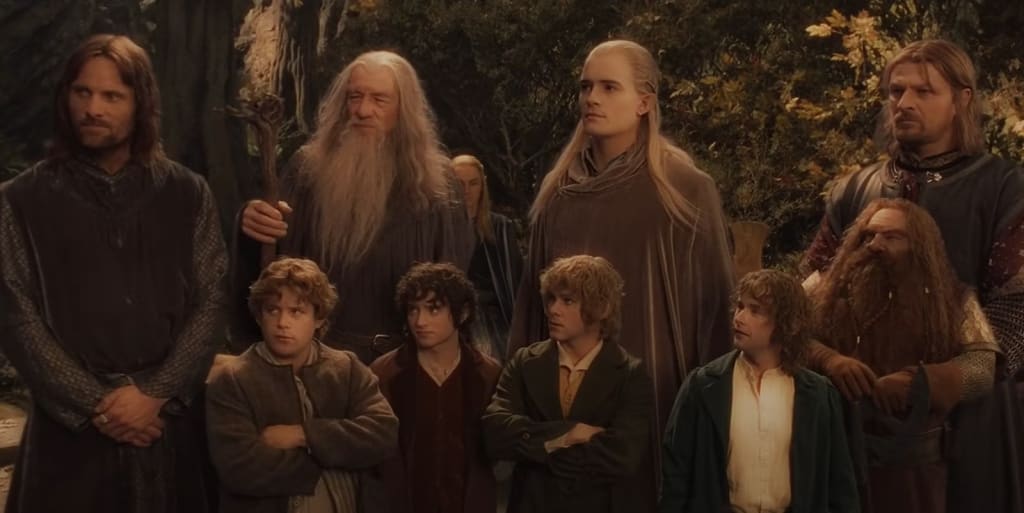
Twenty-five years ago, a gamble reshaped cinema—and few people realized it in the moment.
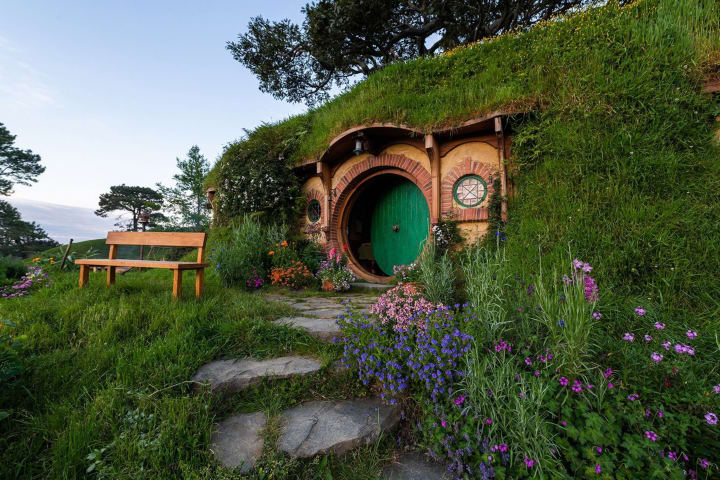
In December 2001, audiences stepped into Middle-earth with The Lord of the Rings: The Fellowship of the Ring, and something quietly seismic happened. This wasn’t just another fantasy movie arriving for the holiday season. It wasn’t a niche genre experiment or a disposable blockbuster meant to fade once the credits rolled. It was the opening chapter of a cinematic undertaking so ambitious that, even now, it feels borderline impossible that it worked at all.
Three films. Shot back-to-back over years. Based on a literary titan many believed was fundamentally unfilmable. Led by a largely unknown cast. Directed by a New Zealander best known at the time for cult splatter films. And yet, somehow, it didn’t just succeed—it redefined what movies could aim for.
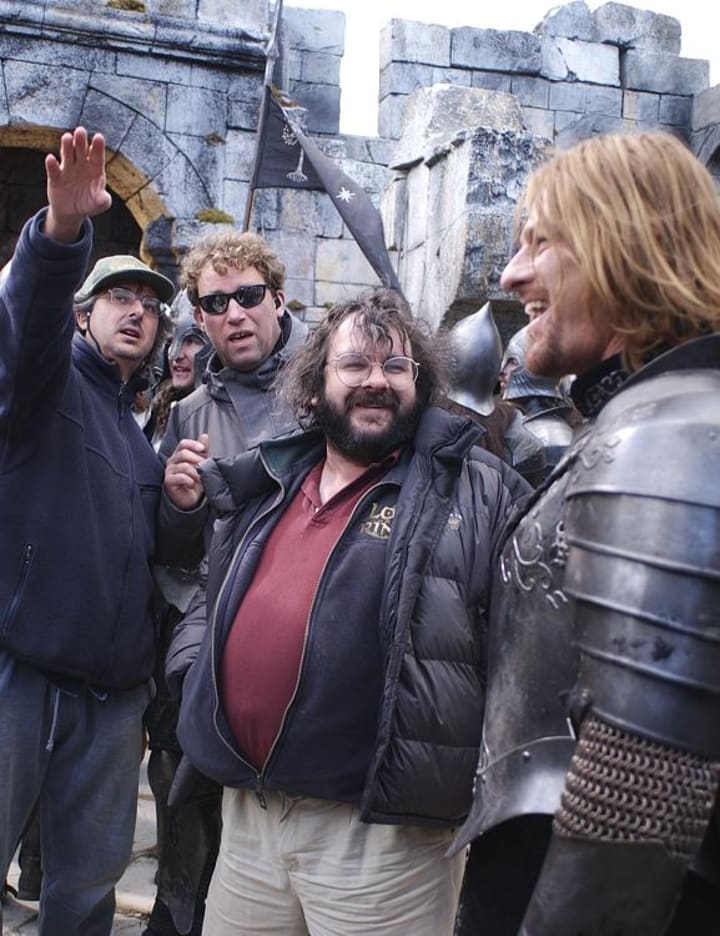
At the center of it all was Peter Jackson, whose vision treated fantasy not as escapism, but as mythology given flesh. His Middle-earth was tactile and lived-in. Armor looked heavy. Mud clung to boots. Roads felt endless. Victory came with cost, trauma, and visible scars. The films understood something crucial: spectacle only matters if the audience believes in the people standing inside it.
That belief starts small. With hobbits.
Frodo’s burden is not heroic in the traditional sense—it’s isolating, corrosive, and deeply unfair. Sam’s loyalty isn’t flashy; it’s relentless. Merry and Pippin’s journey from comic relief to hardened survivors mirrors the way innocence is stripped away by conflict. These characters grounded a story filled with wizards, kings, and monsters. The emotional weight of the trilogy never truly comes from its battles—it comes from exhaustion, fear, and the quiet, stubborn decision to keep going when turning back would be easier.
That humanity is exactly why the films aged so well.
On a technical level, The Lord of the Rings was light-years ahead of its time. Weta Workshop and Weta Digital blended miniatures, forced perspective, prosthetics, motion control, and early CGI in ways that still hold up better than many effects-heavy films released decades later. Gollum wasn’t just a visual breakthrough; he was a performance. Andy Serkis didn’t simply “voice” the character—he embodied him, helping legitimize performance capture as real acting rather than a technical shortcut.
But technology alone doesn’t explain the legacy.
What truly set the trilogy apart was commitment—total, unwavering commitment. Jackson and his team didn’t hedge their bets. They didn’t soften the story’s darkness or rush its themes. They trusted audiences to sit with long runtimes, dense lore, invented languages, and moral ambiguity. They believed viewers would follow a slow burn if the emotional payoff was earned.
They were absolutely right.
By the time The Lord of the Rings: The Return of the King swept the Academy Awards in 2004, winning 11 Oscars, the trilogy had become more than a film series. It was a cultural benchmark. Studios began chasing epic trilogies, shared universes, and long-form storytelling on a massive scale. Fantasy and sci-fi were no longer box-office risks—they were pillars of the industry.
And yet, few have matched its sincerity.
Middle-earth never felt cynical. It never winked at the audience. It never undercut emotion with irony or cheap humor. In an era increasingly defined by self-awareness, meta-commentary, and franchise fatigue, that earnestness feels almost radical.
Twenty-five years on, The Lord of the Rings endures because it understands a timeless truth: stories matter most when they remind us who we are at our best. Courage doesn’t mean fearlessness. Hope isn’t loud. Evil is rarely defeated by strength alone—it’s resisted by ordinary people choosing kindness, loyalty, and sacrifice, even when the odds are impossibly stacked against them.
The road goes ever on. And a quarter-century later, we’re still walking it—gratefully—back into Middle-earth.
About the Creator
Lawrence Lease
Alaska born and bred, Washington DC is my home. I'm also a freelance writer. Love politics and history.
Keep reading
More stories from Lawrence Lease and writers in Geeks and other communities.
Silver Screen Magic with Mae West
American actress and singer Mae West became a popular film actress during the Great Depression. She started entertaining in vaudeville, then performed on Broadway, and finally went to Hollywood. She signed up with Paramount Pictures and made her debut in the 1932 film “Night After Night.” She also starred in musicals, comedies, and crime dramas. The American Film Institute named her one of the best classic Hollywood actresses.
By Rasma Raisters6 days ago in Geeks


Comments
There are no comments for this story
Be the first to respond and start the conversation.