
Top 5 Horror Movies You Must Watch
Horror Movies: A Chilling Journey Through Cinema

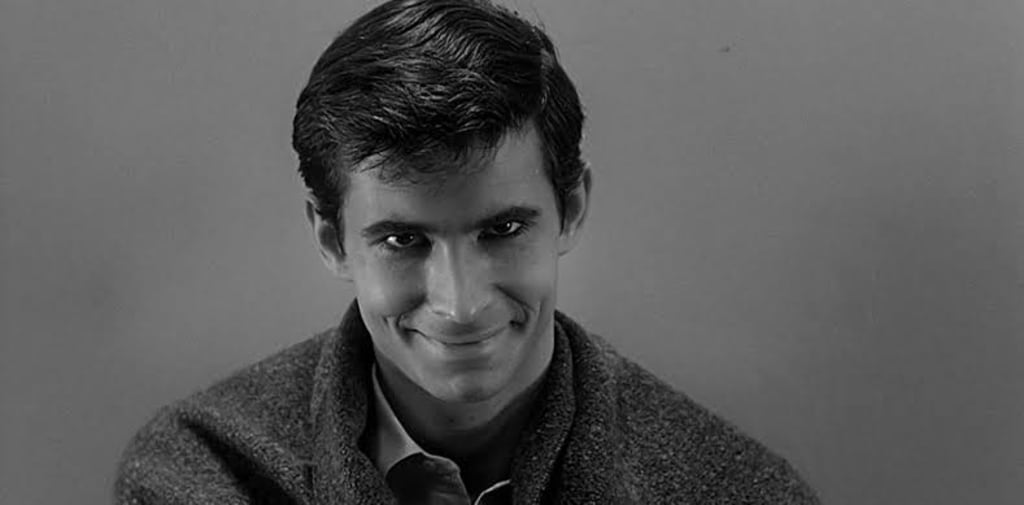
Horror movies have long captivated audiences with their ability to evoke fear, suspense, and adrenaline. From psychological terrors to supernatural scares, the genre offers diverse experiences that linger long after the credits roll.
1. The Shining (1980)
A Masterpiece of Psychological Horror
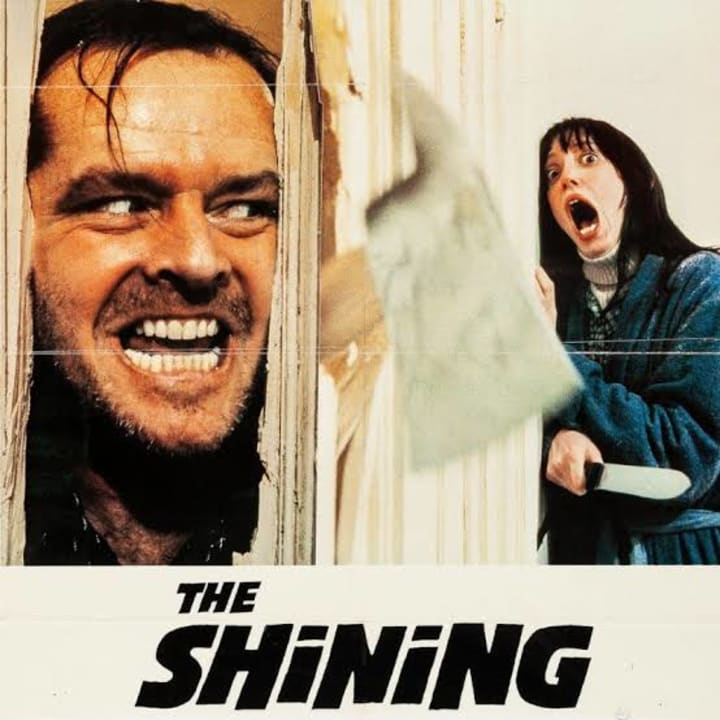
Stanley Kubrick’s The Shining (1980) is a landmark in horror cinema, adapting Stephen King’s novel into a haunting exploration of isolation and madness. The story follows Jack Torrance, a struggling writer who takes a job as the winter caretaker of the Overlook Hotel. As the hotel’s sinister history unravels, Jack’s descent into insanity threatens his wife, Wendy, and son, Danny, who possesses psychic abilities. Kubrick’s meticulous direction, paired with unforgettable performances, creates a chilling atmosphere that remains unmatched.
Key Points:
Atmospheric Tension: Kubrick uses long takes and eerie cinematography to build dread, with the Overlook Hotel acting as a character itself.
Iconic Scenes: The “Here’s Johnny!” moment and the hedge maze chase are etched in pop culture.
Psychological Depth: Explores themes of addiction, family dysfunction, and supernatural influence.
Cinematic Innovation: Pioneered the use of Steadicam for smooth, unsettling tracking shots.
Actors: Jack Nicholson (Jack Torrance), Shelley Duvall (Wendy Torrance), Danny Lloyd (Danny Torrance).
Director: Stanley Kubrick.
2. Psycho (1960)
The Birth of the Slasher Genre
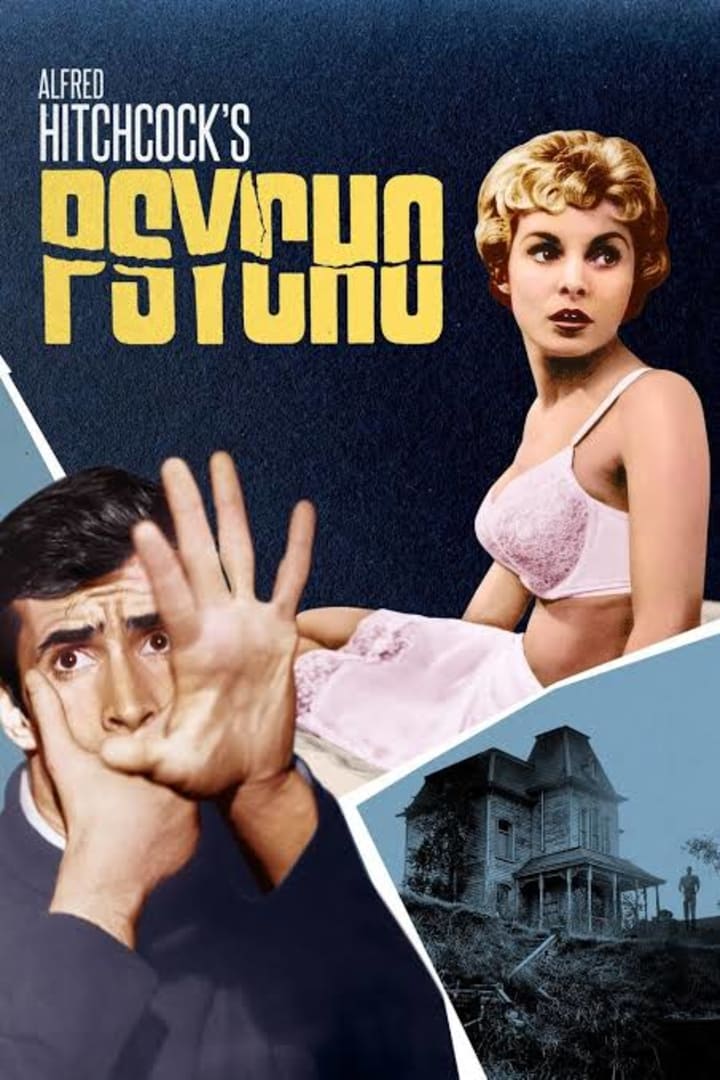
Alfred Hitchcock’s Psycho redefined horror and introduced the slasher genre. The film follows Marion Crane, who, after stealing money, checks into the Bates Motel, run by the enigmatic Norman Bates. What begins as a crime thriller spirals into a psychological nightmare, with Hitchcock’s masterful suspense and Bernard Herrmann’s iconic score amplifying every twist. The infamous shower scene remains one of cinema’s most shocking moments.
Key Points:
Groundbreaking Narrative: The film’s unexpected protagonist shift stunned audiences.
Psychological Horror: Norman’s split personality explores themes of guilt and identity.
Cinematic Influence: Established tropes for slasher films, influencing countless directors.
Score Impact: Herrmann’s screeching strings became synonymous with terror.
Actors: Anthony Perkins (Norman Bates), Janet Leigh (Marion Crane).
Director: Alfred Hitchcock.
3. The Exorcist (1973)
A Terrifying Tale of Faith and Possession
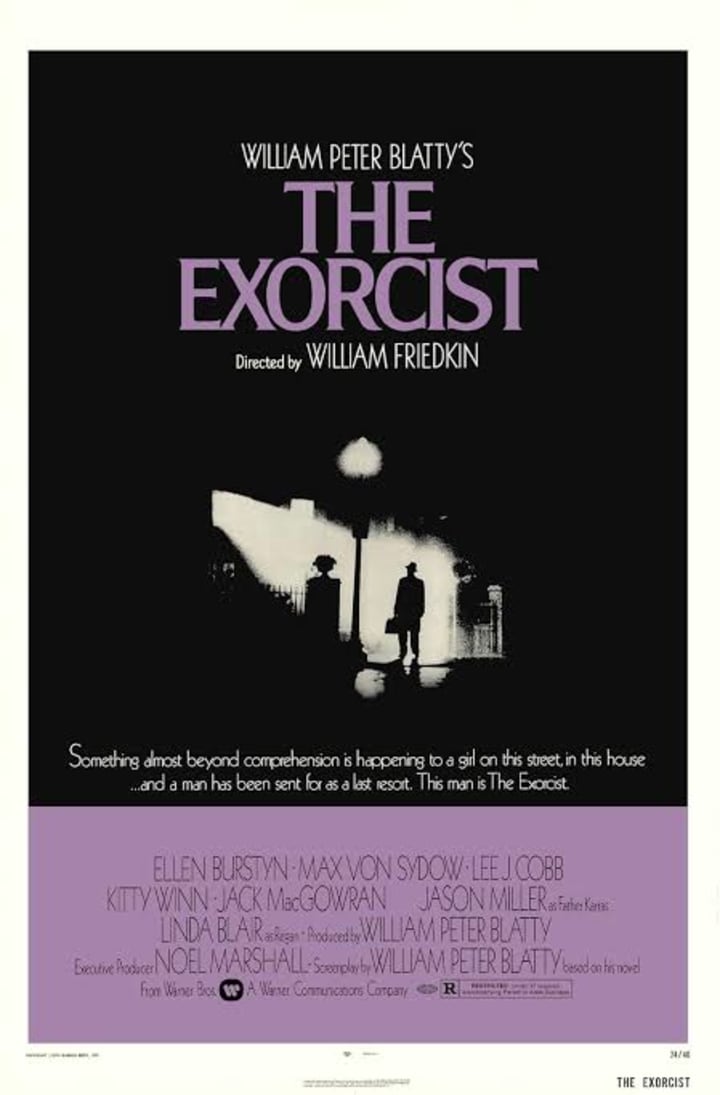
William Friedkin’s The Exorcist is a harrowing depiction of demonic possession that shocked audiences and sparked debates about faith and evil. When young Regan MacNeil begins exhibiting disturbing behavior, her mother seeks help from priests who confront an ancient evil. The film’s raw intensity, groundbreaking special effects, and theological undertones make it a horror classic.
Key Points:
Cultural Impact: Sparked nationwide discussions about religion and the occult.
Special Effects: Practical effects, like Regan’s head-spinning, were revolutionary.
Emotional Core: Balances horror with a mother’s desperate love for her child.
Atmospheric Dread: Friedkin’s realistic direction makes the supernatural feel plausible.
Actors: Linda Blair (Regan MacNeil), Ellen Burstyn (Chris MacNeil), Max von Sydow (Father Merrin).
Director: William Friedkin.
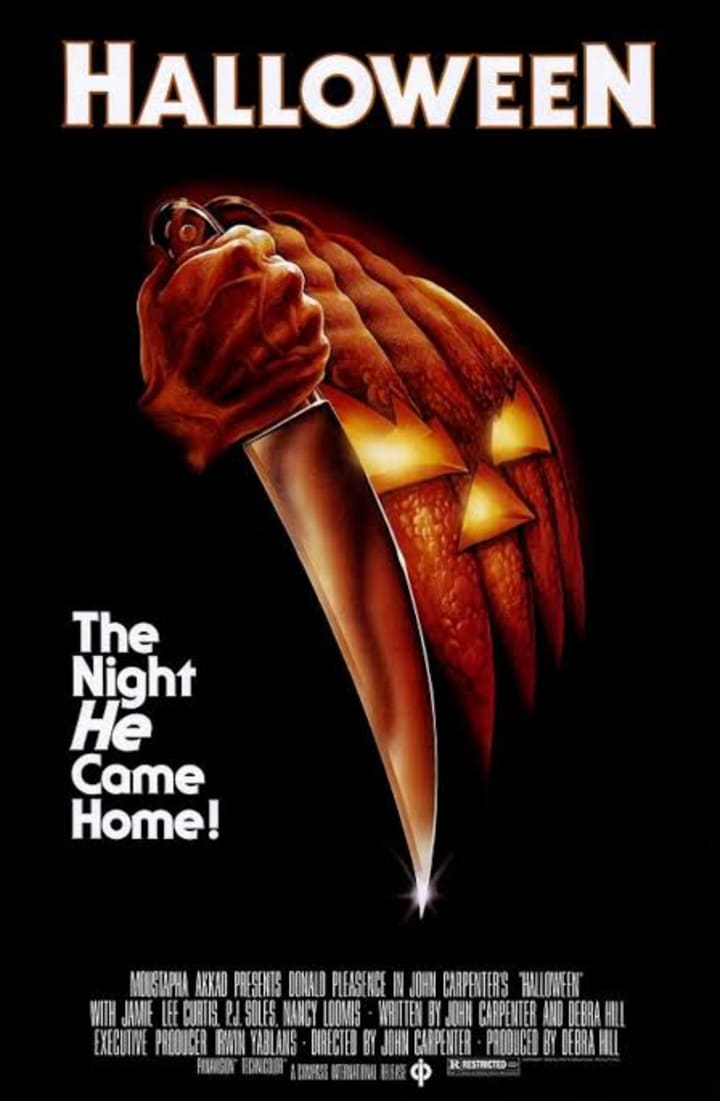
4. Halloween (1978)
The Night He Came Home
John Carpenter’s Halloween introduced Michael Myers, a masked killer whose relentless pursuit of Laurie Strode redefined horror. Shot on a low budget, the film’s minimalist approach, haunting score (composed by Carpenter), and unrelenting tension made it a genre-defining classic. Its influence on slasher films is immeasurable, cementing Myers as a horror icon.
Key Points:
Slasher Blueprint: Established the “final girl” trope and masked killer archetype.
Score Mastery: Carpenter’s synth score is instantly recognizable and chilling.
Low-Budget Genius: Proves effective horror relies on suspense, not spectacle.
Character Focus: Laurie’s resilience makes her a relatable and enduring protagonist.
Actors: Jamie Lee Curtis (Laurie Strode), Donald Pleasence (Dr. Loomis).
Director: John Carpenter.
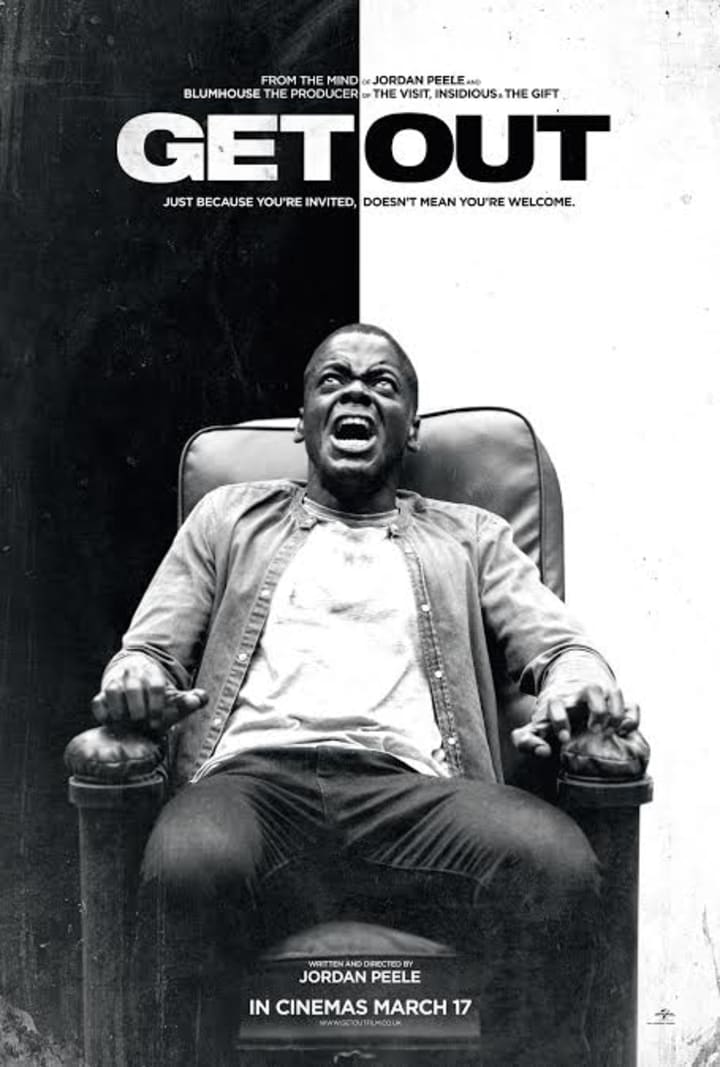
5. Get Out (2017)
A Modern Horror Allegory
Jordan Peele’s Get Out blends horror with social commentary, exposing the insidiousness of liberal racism. Chris Washington, a Black photographer, visits his white girlfriend’s family estate, uncovering a sinister plot. Peele’s directorial debut is both a gripping thriller and a sharp critique of systemic racism, earning critical acclaim and an Academy Award for Best Original Screenplay.
Key Points:
Social Commentary: Addresses microaggressions and commodification of Black bodies.
Genre Blend: Combines horror, satire, and psychological thriller elements.
Breakout Performances: Daniel Kaluuya’s nuanced portrayal anchors the film.
Cultural Relevance: Resonates with contemporary discussions on race and privilege.
Actors: Daniel Kaluuya (Chris Washington), Allison Williams (Rose Armitage).
Director: Jordan Peele.
Conclusion
These five horror films span decades, showcasing the genre’s evolution from psychological suspense to socially conscious storytelling. Each movie, driven by visionary directors and unforgettable performances, continues to terrify and inspire.
About the Creator
Am@n Khan
I'm educational storyteller passionate about turning knowledge into engaging narratives.
I write about topics like science, history and life skills.
Contact
WhatsApp : +923336369634
Silver Screen Magic with Mae West
American actress and singer Mae West became a popular film actress during the Great Depression. She started entertaining in vaudeville, then performed on Broadway, and finally went to Hollywood. She signed up with Paramount Pictures and made her debut in the 1932 film “Night After Night.” She also starred in musicals, comedies, and crime dramas. The American Film Institute named her one of the best classic Hollywood actresses.
By Rasma Raisters4 days ago in Geeks
Fallout Season 2 Episode 2 Review: "The Golden Rule" Explained
Let’s dive headfirst into Fallout Season 2 Episode 2, an hour stuffed with Easter eggs, callbacks, and wild lore reveals. This one is titled “The Golden Rule,” and trust me—it’s not just a cute thematic nod. This episode lives in that moral tug-of-war between Lucy, The Ghoul, and the messy ethics of post-apocalyptic civilization.
By Bella Anderson7 days ago in Geeks


Comments
There are no comments for this story
Be the first to respond and start the conversation.