
"To Kill a Mockingbird" by Harper Lee
Published: 11th July, 1960

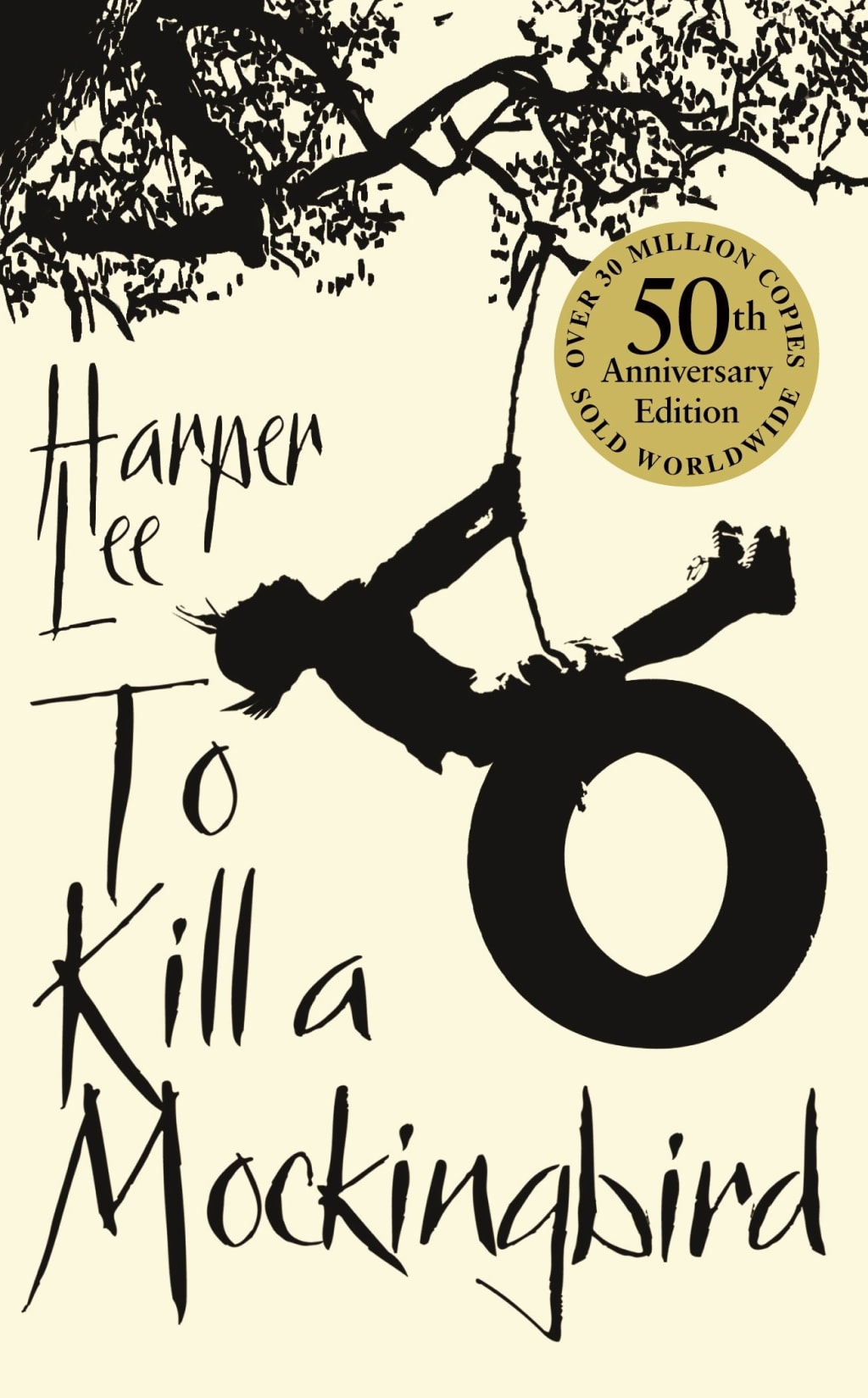
Possibly one of the most well-known and well respected books of all time, "To Kill a Mockingbird" is the best-selling Southern Gothic Novel to ever be published. Released by JB Lippincott and Co. this book became not only an instant success, but also is still widely studied in schools all over the world to this day. Still an important book about prejudice and race relations, this book's main character ("Scout") is famed for growing up in a turbulent political period and her father, the heroic Atticus Finch is known for his strength and his attitude towards the changing American scene.
Various well-known themes in the novel include: the southern attitude towards race, injustice and prejudice, class and the social ladder, hatred and bullying, compassion and kindness, courage and heroism, gender, the legal system, childhood innocence and friendship. These are only a few of them and yet the book itself has become a phenomenon purely based on one or two of those.
Personally, I have never met a person who says that they've read the book and don't like it. It seems to be unanimous that people love "To Kill a Mockingbird" because it is a relevant book to any time as there is still this horrid prejudice amongst us today through others. Here's one thing I wanted to share with you about my experiences reading this book a very long time ago: I noted that there were elements of almost Shakespearean-esque Tragedy in this novel. This is because we get the innocent on trial for something they didn't do, but then we get these almost caricatures of a time defending themselves for putting them there in the first place. It's almost Shakespearean in its drama and almost Classical in its tragedy. However, where this book has redemption, classical tragedies normally do not.
Other writers commented (if not so lightly) on "To Kill a Mockingbird" once it started to get some acclaim outside of Alabama and in the international literary sphere. These include:
- Carson McCullers

Carson McCullers, writer of the Southern Gothic tales such as: "The Heart is a Lonely Hunter" and the amazing "The Member of the Wedding", did not have very nice things to say about the book - but in reality, I think she was making a bit of a joke when she saw that Scout from Lee's novel was compared with Frankie from "The Member of the Wedding". She stated:
"Well, honey, one thing we know is that she's been poaching on my literary preserves."
- Flannery O'Connor
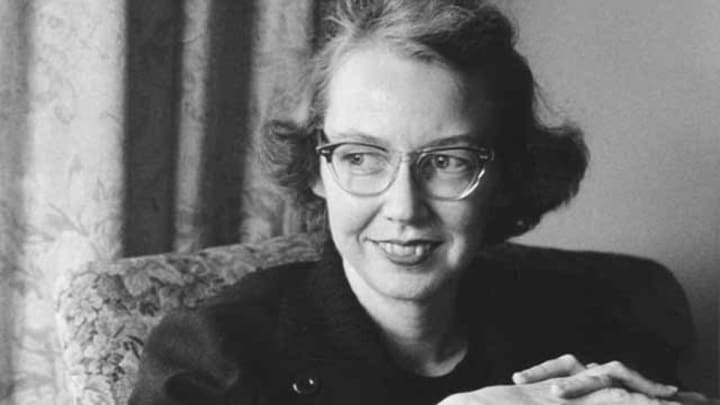
A writer I've never been able to get into myself, Flannery O'Connor was a writer of the Southern Gothic as well, and with books like "Wise Blood" under her belt - I can understand why she's well respected as she is. She too, did not have very nice things to say about "To Kill a Mockingbird" but these I do not believe were said in jest but rather in bitterness towards competition. She stated:
"I think for a child's book it does all right. It's interesting that all the folks that are buying it don't know they're reading a child's book. Somebody ought to say what it is."
- Granville Hicks
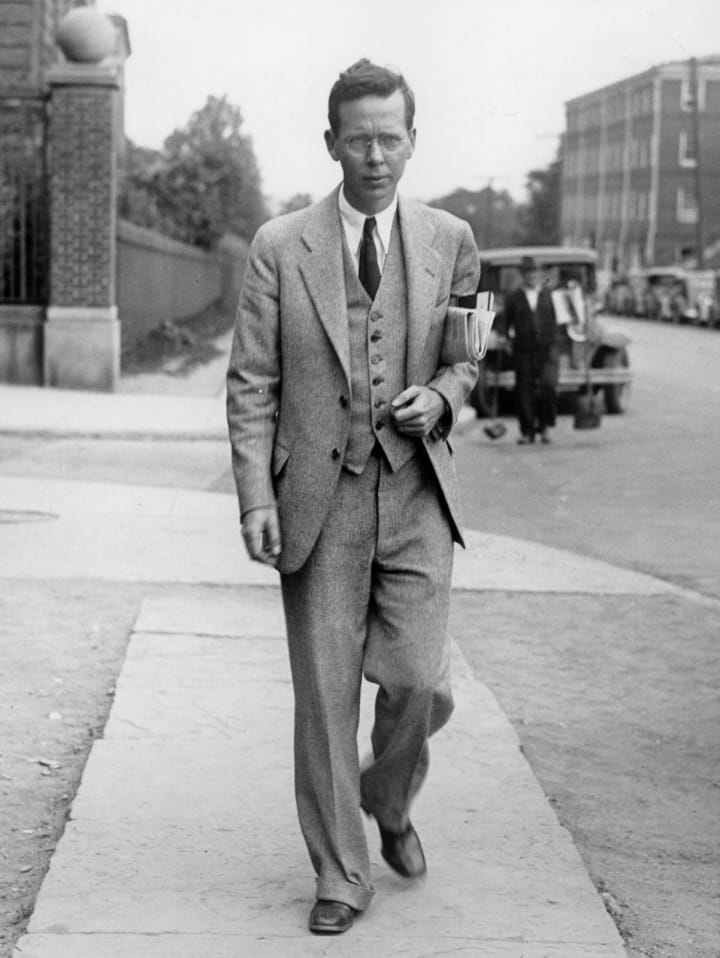
Possibly a lesser known author, Granville Hicks published marxist criticisms and philosophies and then was actually known for quickly backtracking on that later in his career to become staunchly anti-marxist. He published books such as "There Was a Man in Our Town" and "Behold Trouble" in the 40s and early 50s. He berated "To Kill a Mockingbird" and did not have a single nice thing to say about it at all. He stated that it was:
"melodramatic and contrived"
- Chimamanda Ngozi Adichie
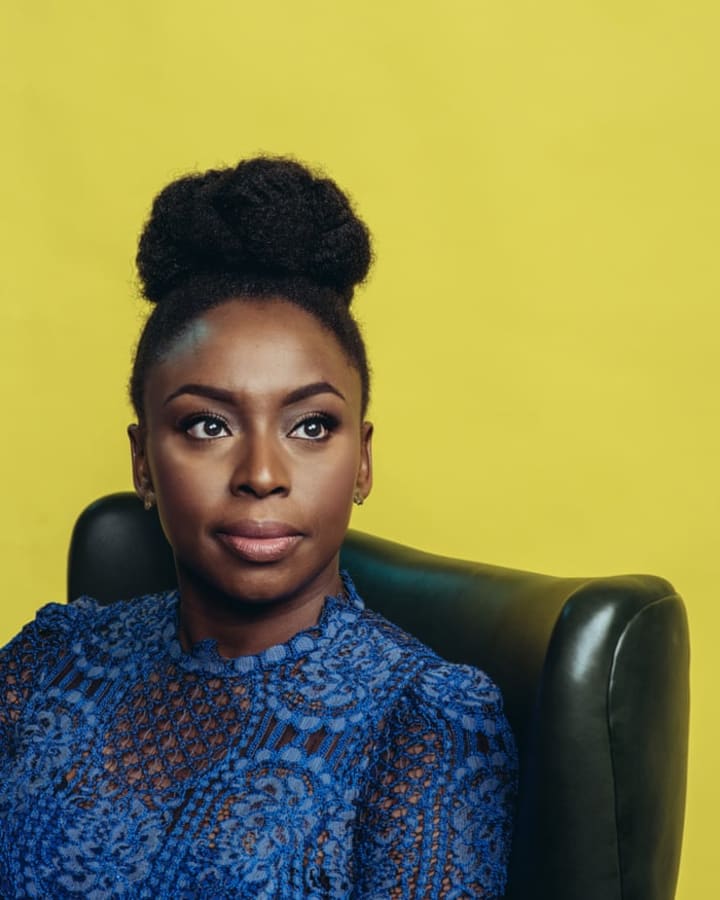
With incredibly nice things to say about the novel, the great author and philosopher, Chimamanda Ngozi Adichie, is possibly as respected as Harper Lee herself. Penning grand racial narratives like "Half of a Yellow Sun" and the incredible "Purple Hibiscus" - she stated on Lee's novel that it is written with:
"...a fiercely progressive ink, in which there is nothing inevitable about racism and its very foundation is open to question"
A Question for the Reader
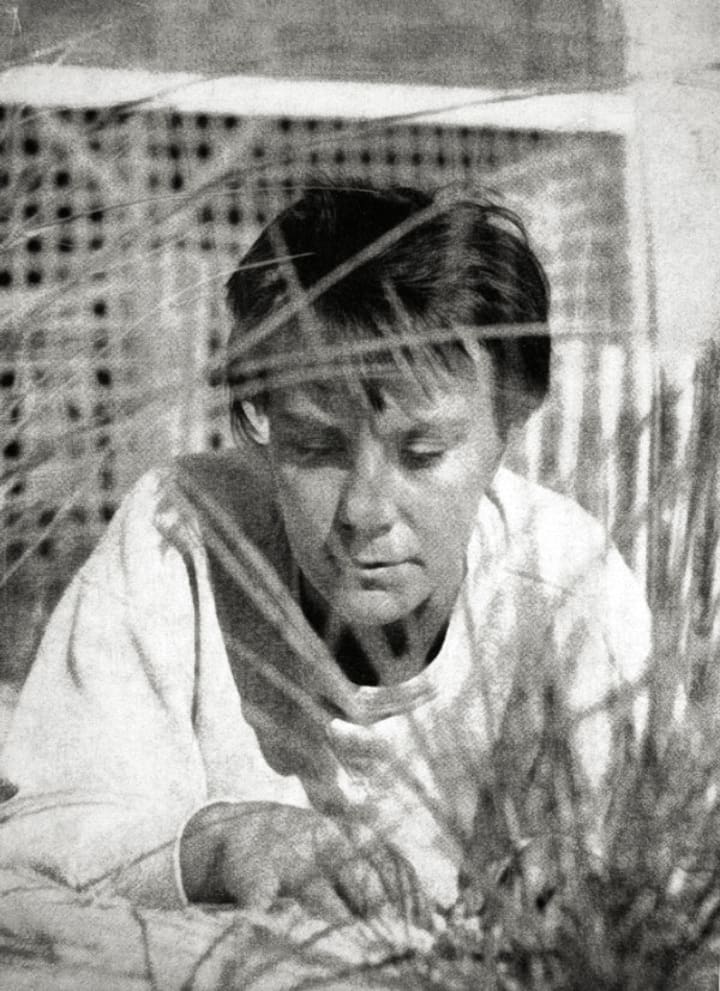
The real question here is, upon its 60th anniversary, what do you think of Harper Lee's "To Kill a Mockingbird" and how has it impacted the way you look at racial prejudice and injustices?
About the Creator
Annie Kapur
I am:
🙋🏽♀️ Annie
📚 Avid Reader
📝 Reviewer and Commentator
🎓 Post-Grad Millennial (M.A)
***
I have:
📖 280K+ reads on Vocal
🫶🏼 Love for reading & research
🦋/X @AnnieWithBooks
***
🏡 UK
Keep reading
More stories from Annie Kapur and writers in Geeks and other communities.
20 Books of 2020 (Pt.36)
Well, we are underway to the 700s and now, I want to say a massive thank you to anyone who has stuck around this far. I also want to say how thankful I am for having made some new friends online this year. I've joined some new book clubs, read alongs and other bookish things that have required me to actively and socially participate - something I would've been very reluctant to do last year.
By Annie Kapur6 years ago in Geeks
Silver Screen Magic with Mae West
American actress and singer Mae West became a popular film actress during the Great Depression. She started entertaining in vaudeville, then performed on Broadway, and finally went to Hollywood. She signed up with Paramount Pictures and made her debut in the 1932 film “Night After Night.” She also starred in musicals, comedies, and crime dramas. The American Film Institute named her one of the best classic Hollywood actresses.
By Rasma Raisters7 days ago in Geeks
The 48 Laws of Power
The 48 Laws of Power by Robert Greene is one of the most talked-about and controversial books on power, influence, and human behavior. First published in 1998, the book has gained a massive following among readers interested in psychology, leadership, strategy, and personal success. Loved by some and criticized by others, this book leaves a strong impression and sparks deep discussion about how power works in the real world.
By John Smith6 days ago in Geeks
Wild Card Weekend Recap: What Happens Now?
I think I figured out why I love Wild Card Weekend so much. It's because it's the first playoff anything of the calendar year. The NFL season starts in the fall, and once upon a time, the champion was crowned either on or slightly before New Year's. The evolution of the NFL schedule has resulted in the playoffs starting just into the New Year, and currently, the final week of the season falls on the first weekend of the New Year, with Wild Card Weekend coming a week after that. So yes, chronologically, the NFL's Wild Card Weekend serves as the first playoff anything of the calendar year.
By Clyde E. Dawkins7 days ago in Unbalanced



Comments
There are no comments for this story
Be the first to respond and start the conversation.