
The Wonderful Wizard of Oz by L. Frank Baum
Why It's a Masterpiece (Week 76)

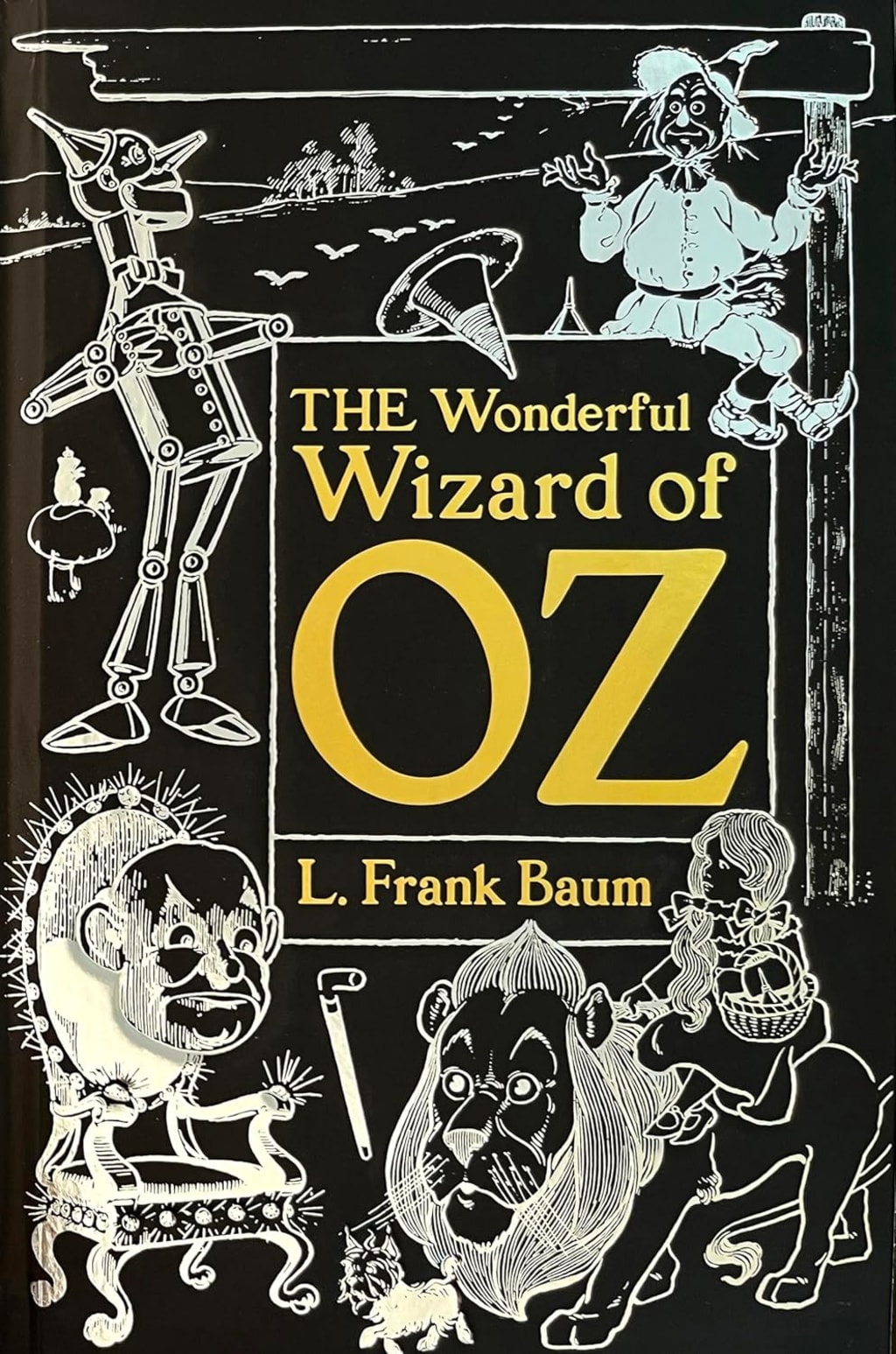
L. Frank Baum’s The Wonderful Wizard of Oz, first published in 1900, is one of the most celebrated works in American children’s literature. Written during a time of rapid industrialisation and social change in the United States, the novel reflects both the optimism and the struggles of its era. Baum was inspired by his storytelling sessions with his children and a desire to create a distinctly American fairy tale. Unlike European counterparts steeped in moral lessons and dark undertones, Baum’s work aimed to entertain while subtly addressing themes of self-reliance and personal growth.
Baum was a former journalist, theatre enthusiast, and businessman who combined his diverse experiences to craft imaginative and engaging narratives. The idea for the book reportedly came from his love of fantastical stories and the realisation that there were few uniquely American contributions to children’s literature at the time. He collaborated with illustrator W.W. Denslow, whose vibrant, art nouveau-inspired illustrations brought the land of Oz and its characters to life.
The book was an instant success, praised for its vivid imagery, memorable characters, and imaginative storytelling. It quickly became a cultural phenomenon, spawning a successful Broadway musical in 1902 and laying the foundation for an extensive series of Oz books. Baum himself wrote 13 sequels, and countless adaptations followed, including the iconic 1939 film starring Judy Garland.
Plot
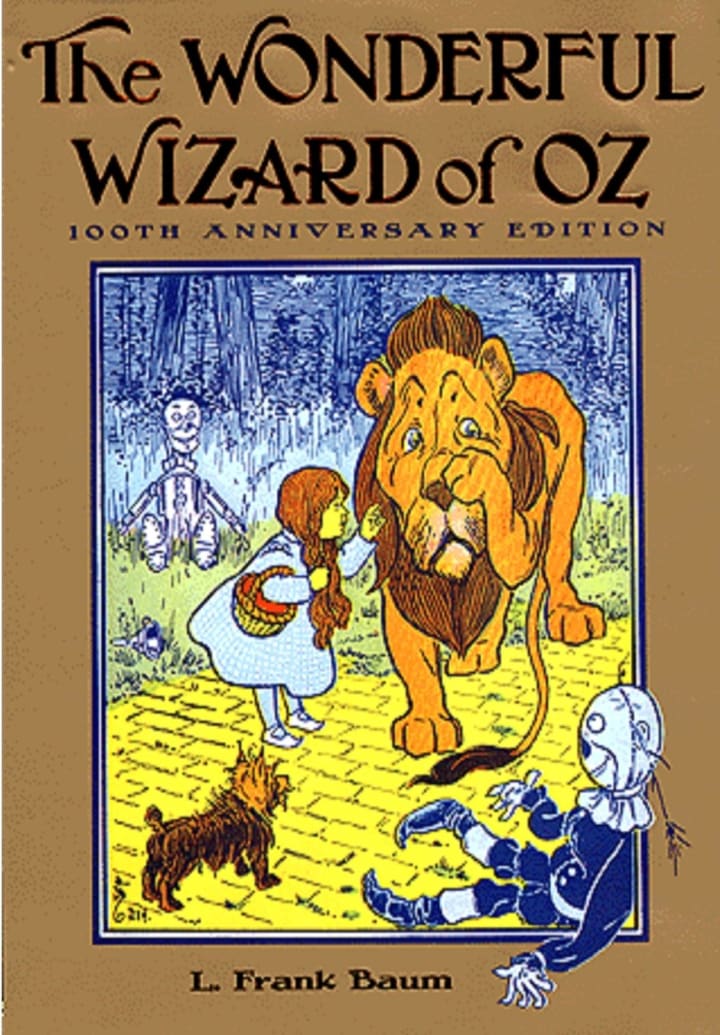
The Wonderful Wizard of Oz follows the adventures of Dorothy Gale, a young girl from Kansas, who is swept away to the magical land of Oz by a cyclone. The novel begins on the bleak Kansas prairie, where Dorothy lives with her Aunt Em, Uncle Henry, and her dog, Toto. When a cyclone strikes, Dorothy’s house is lifted into the sky and lands in the marvellous land of Oz, crushing the Wicked Witch of the East.
In gratitude, the Good Witch of the North gifts Dorothy the magical silver shoes of the defeated witch. Dorothy’s only desire is to return home, and she is directed to seek help from the Wizard of Oz, who resides in the Emerald City. Guided by the Yellow Brick Road, Dorothy sets off on her journey, joined by three companions she meets along the way: the Scarecrow, who seeks a brain; the Tin Woodman, who desires a heart; and the Cowardly Lion, who longs for courage.
As they travel, the group encounters numerous obstacles, including hostile creatures and the Wicked Witch of the West, who seeks vengeance for her sister’s death. The Witch captures Dorothy but is ultimately defeated when Dorothy throws a bucket of water on her, causing her to melt.
When the group finally meets the Wizard, they discover that he is a humbug, a mere man from Omaha who has no magical powers. Despite this revelation, he helps each companion realise they already possess the qualities they seek. Dorothy’s return home proves more challenging, but with the guidance of Glinda, the Good Witch of the South, she learns that the power to return has been within her all along, embedded in the magical silver shoes. Dorothy clicks her heels together and is transported back to Kansas, awakening to find that her extraordinary adventure has come to an end.
Into the Book
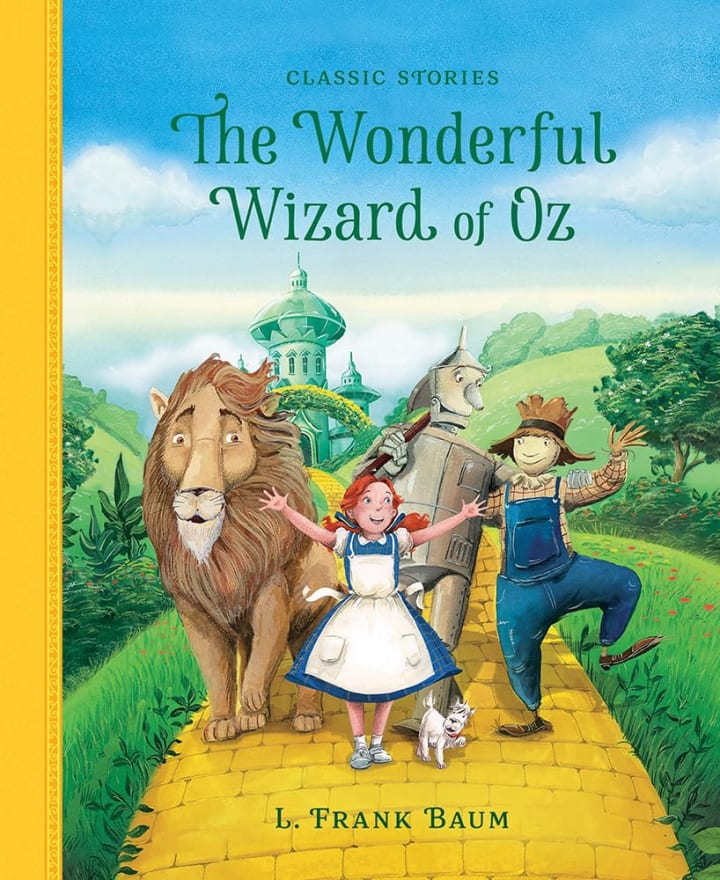
One of the most enduring themes in The Wonderful Wizard of Oz is the discovery of inner strength. Each of Dorothy’s companions believes they lack a fundamental quality: intelligence, compassion, or courage, yet their journey reveals that they possess these traits all along.
The Scarecrow laments his lack of a brain, yet he frequently devises clever solutions to the group’s problems. For instance, he devises the plan to cross a dangerous river by constructing a raft. After receiving a symbolic “brain” from the Wizard, he realises his intellect was always sufficient. Baum writes, “Experience is the only thing that brings knowledge, and the longer you are on earth, the more experience you are sure to get.”
Similarly, the Tin Woodman demonstrates his compassion through his actions, despite believing he lacks a heart. His tender care for his friends and his distress at harming even the smallest creatures reveal the depth of his emotions. The Cowardly Lion, meanwhile, shows bravery time and again, standing up to dangers that threaten the group. Baum uses these characters to illustrate that individuals often underestimate their own abilities and need only the confidence to recognise their inherent strengths.
“I think you are wrong to want a heart. It makes most people unhappy. If you only knew it, you are in luck not to have a heart.”
- The Wonderful Wizard of Oz by L. Frank Baum
Dorothy’s quest to return to Kansas highlights the universal desire for belonging and the comforts of home. Despite the vibrant wonders of Oz, Dorothy remains steadfast in her wish to return to her family, symbolising the enduring bond of love and security that home represents.
Baum contrasts the grey, desolate Kansas prairie with the colourful and magical world of Oz, yet Dorothy’s heart never wavers. Her famous line, “There’s no place like home,” underscores the novel’s emotional core. This theme resonates deeply with readers, reminding them that the concept of home is less about physical location and more about the people and relationships that provide comfort and stability.
“There is no place like home.”
- The Wonderful Wizard of Oz by L. Frank Baum
The novel’s depiction of good versus evil is a central element, embodied by the witches of Oz. The Wicked Witch of the West represents tyranny and malevolence, terrorising Dorothy and her friends to secure the silver shoes. Conversely, the Good Witches of the North and South serve as benevolent forces, guiding Dorothy on her journey.
Dorothy’s ultimate triumph over the Wicked Witch of the West (achieved through a simple act of throwing water) highlights Baum’s belief in the triumph of innocence and kindness over malice. This binary struggle reflects the moral clarity often found in children’s literature, but Baum enriches it with nuances, such as the Wizard’s morally ambiguous character. As a false figure of authority, the Wizard reminds readers that power can be deceptive, and true guidance often comes from within.
“A heart is not judged by how much you love; but by how much you are loved by others”
- The Wonderful Wizard of Oz by L. Frank Baum
Why It's a Masterpiece
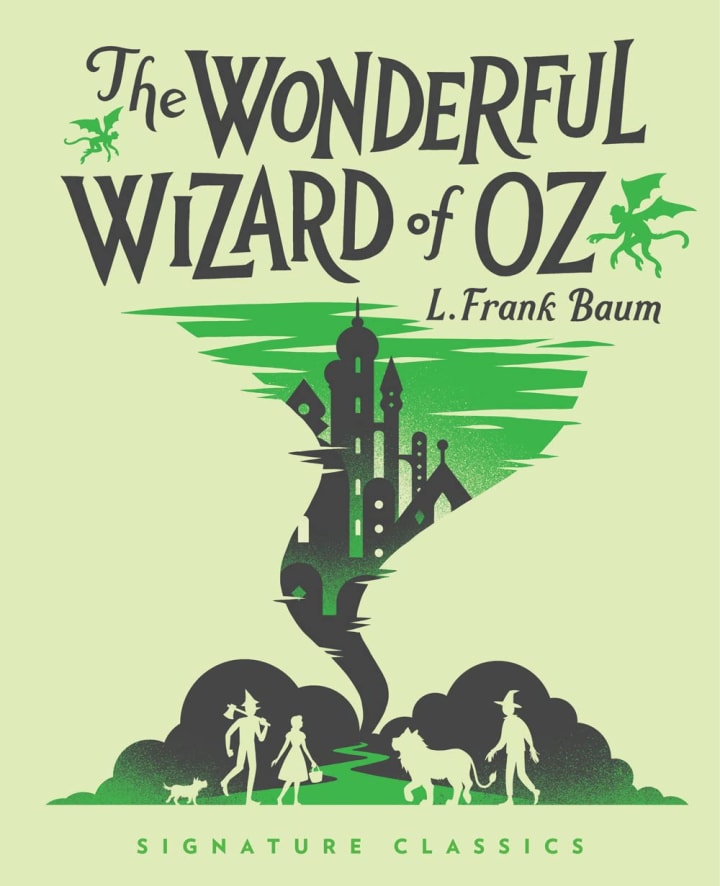
The Wonderful Wizard of Oz is considered a masterpiece for its imaginative storytelling, timeless themes, and innovative contributions to children’s literature. L. Frank Baum’s creation of Oz; a vivid, magical world filled with unforgettable characters, captured the imagination of readers and set a new standard for fantasy writing. Its blend of adventure, humour, and allegory has allowed it to transcend its intended audience and resonate with readers of all ages.
At its core, the novel is a tale of self-discovery, teaching readers that courage, compassion, and wisdom lie within them. Baum’s ability to convey these profound lessons through accessible and engaging prose is a testament to his literary genius. The richly developed characters, from the resourceful Scarecrow to the enigmatic Wizard, are archetypes that continue to inspire and entertain even in the works of others. For example: the writer of the Wicked series.
Conclusion
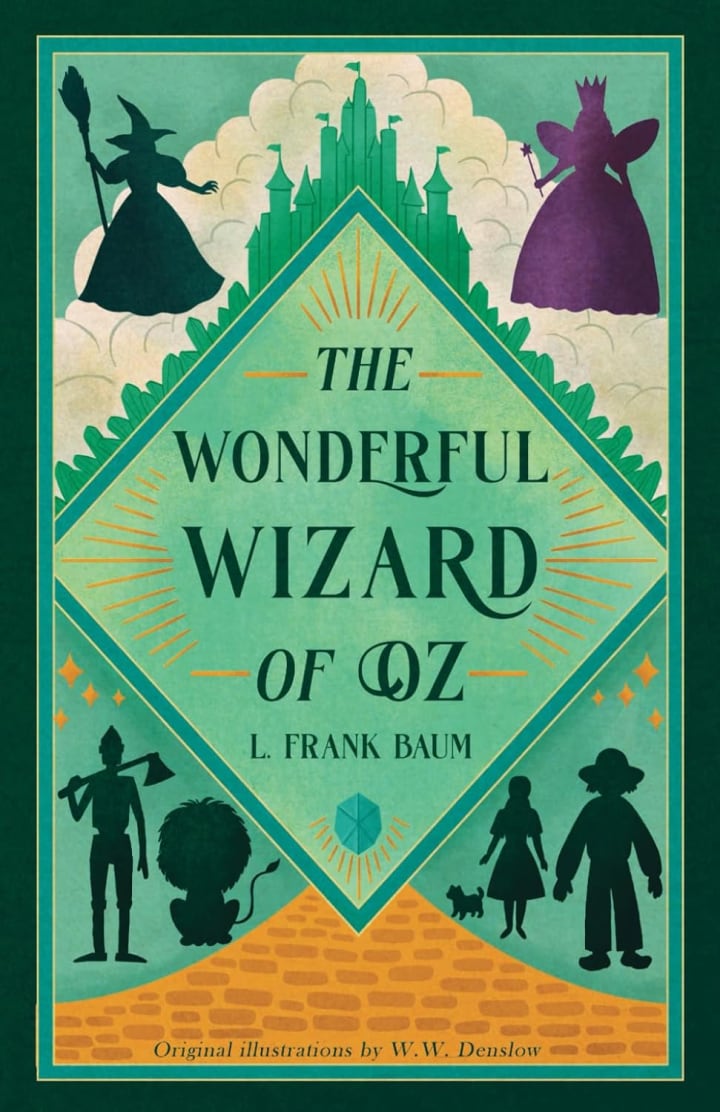
The Wonderful Wizard of Oz endures because of its universal themes, engaging characters, and the timeless appeal of its fantastical world. Dorothy’s journey resonates as a story of resilience, self-discovery, and the enduring value of friendship and home. Its incredible imagery and layered meanings invite readers to revisit and reinterpret its messages. As a cornerstone of American literature and a cultural touchstone, the novel continues to captivate new generations, ensuring its place as a cherished classic in both the literary and popular imagination. If you are like me and adored this book as a child, I can tell you know that we could end up becoming very good friends.
Next Week: Nostromo by Joseph Conrad
About the Creator
Annie Kapur
I am:
🙋🏽♀️ Annie
📚 Avid Reader
📝 Reviewer and Commentator
🎓 Post-Grad Millennial (M.A)
***
I have:
📖 280K+ reads on Vocal
🫶🏼 Love for reading & research
🦋/X @AnnieWithBooks
***
🏡 UK
Keep reading
More stories from Annie Kapur and writers in Geeks and other communities.
Book Review: "The Complete Ghost Stories" by M.R James
M.R James is perhaps one of my favourite short story writers purely for the fact that many of them are pretty bloody terrifying and have scared the pants off me in the past. There are certain stories in here where I have said to myself that I would never read again because when I read them the first time in my teens, I was really quite frightened. However, I have read them since then and I can confirm: still frightened. I'm actually working on a list of the scariest stuff I've ever read and if it has come out already by the time this review is released then I've done well there. If it hasn't, well then you might have to wait a bit longer for it.
By Annie Kapur5 months ago in Geeks
Silver Screen Magic with Mae West
American actress and singer Mae West became a popular film actress during the Great Depression. She started entertaining in vaudeville, then performed on Broadway, and finally went to Hollywood. She signed up with Paramount Pictures and made her debut in the 1932 film “Night After Night.” She also starred in musicals, comedies, and crime dramas. The American Film Institute named her one of the best classic Hollywood actresses.
By Rasma Raisters3 days ago in Geeks
"Hear Me Out"
"Hear me out, what if we ran away together?" "Where do you want to go?" "Anywhere but here. We could move to a new city or to Canada, or we could disappear from society to live in the middle of the woods. Maybe a combination of two of those things would be good. What do you say?"
By Kay Husnick8 days ago in Fiction


Comments (1)
I haven't read this in ages! It's one of the few books that handles its moral messages (if you can call them that) with subtlety with a primary focus on entertainment over beating you in the head with a particular message. Nice Work!