
The Web-Slinger on the Big Screen: A Journey Through Spider-Man Movies
From Tobey to Tom, Exploring the Cinematic Evolution of Everyone’s Favorite Friendly Neighborhood Hero


Spider-Man, one of the most beloved and recognizable superheroes, has swung from comic books to the silver screen with unmatched energy. Created by Stan Lee and Steve Ditko in 1962, Peter Parker's alter ego has become a pop culture icon. With a compelling mix of relatability, tragedy, humor, and heroism, Spider-Man's cinematic journey reflects both the evolution of superhero storytelling and the changing tastes of audiences across generations.
In this article, we dive deep into the Spider-Man film franchise, from early successes to modern multiverse adventures.
1. The Tobey Maguire Era (2002–2007)
Directed by Sam Raimi
The early 2000s saw superhero films reach a new level of popularity, and Spider-Man (2002) was at the forefront. Directed by Sam Raimi and starring Tobey Maguire, this version of Peter Parker was earnest, emotional, and full of heart.
Spider-Man (2002)
Telling the origin story of Peter Parker, this film captured the magic of becoming a hero: a bite from a radioactive spider, Uncle Ben’s death, and the powerful line, “With great power comes great responsibility.” Willem Dafoe’s Green Goblin set the tone for comic-accurate villainy.
Spider-Man 2 (2004)
Often hailed as one of the best superhero films ever made, this sequel explored Peter’s struggles with balancing life and heroism. Alfred Molina’s Doctor Octopus was a tragic villain, and the film’s emotional depth resonated deeply with fans.
Spider-Man 3 (2007)
While commercially successful, the third film was criticized for its overcrowded storylines, awkward tone, and forced addition of Venom. Despite some great moments, it marked the end of Raimi’s trilogy.
Impact: Raimi’s Spider-Man films proved that comic book movies could be character-driven, emotional, and financially huge. Tobey Maguire became the definitive Spider-Man for a generation.
2. The Andrew Garfield Era (2012–2014)
The Amazing Spider-Man Series (Directed by Marc Webb)
In an effort to reboot the franchise after Raimi’s departure, Sony cast Andrew Garfield and introduced a new tone with The Amazing Spider-Man series—more grounded, stylish, and modern.
The Amazing Spider-Man (2012)
This reboot featured a darker, more realistic Peter Parker. Garfield brought charm and vulnerability, and his chemistry with Emma Stone’s Gwen Stacy was a highlight. The Lizard was the main villain, and the story explored Peter’s parents' mysterious past.
The Amazing Spider-Man 2 (2014)
While visually impressive, the sequel suffered from too many plot threads—Electro, Harry Osborn, and Gwen’s fate. The emotional climax, however, was praised for its boldness and Garfield’s acting.
Impact: Though the series had potential, uneven storytelling and creative differences led to its early end. However, Garfield’s return in Spider-Man: No Way Home gave fans renewed appreciation for his portrayal.
3. The Tom Holland Era (2016–Present)
Marvel Cinematic Universe (MCU) Integration
In a groundbreaking deal between Sony and Marvel Studios, Spider-Man joined the Marvel Cinematic Universe. Tom Holland debuted in Captain America: Civil War (2016), bringing a younger, quirkier Peter Parker to life.
Spider-Man: Homecoming (2017)
This solo debut ditched the origin story and placed Peter in high school, dealing with real teen issues and superhero challenges. Michael Keaton’s Vulture added depth as a villain with a working-class perspective. The mentorship of Tony Stark gave this film a unique MCU flavor.
Spider-Man: Far From Home (2019)
Set after Avengers: Endgame, this sequel followed Peter as he coped with Tony Stark’s death. Jake Gyllenhaal’s Mysterio provided both deception and visual spectacle. The film ended with a bombshell: Spider-Man’s identity was revealed to the world.
Spider-Man: No Way Home (2021)
A true multiverse event, this film brought together all three Spider-Man actors—Tobey Maguire, Andrew Garfield, and Tom Holland—in an emotional, fan-service-filled adventure. It explored the consequences of identity, sacrifice, and growth. The film broke box office records and became a cultural moment.
Impact: Holland’s Spider-Man successfully blended youthful charm with the broader MCU narrative. His trilogy ended on a bittersweet note, setting the stage for a more mature Peter Parker.
4. The Spider-Verse Series (Animated Films)
Spider-Man: Into the Spider-Verse (2018)
A groundbreaking animated film featuring Miles Morales, this movie introduced a multiverse filled with different Spider-People. With a unique animation style, emotional depth, and inclusive storytelling, it won the Academy Award for Best Animated Feature.
Spider-Man: Across the Spider-Verse (2023)
This sequel expanded the multiverse concept with even more Spider-variants and deeper emotional stakes. It was praised for its art direction, pacing, and complex narrative.
Spider-Man: Beyond the Spider-Verse (Upcoming)
Expected to conclude the trilogy, this film will continue Miles Morales’ journey and redefine animated superhero cinema.
Impact: The Spider-Verse films elevated animation, showed the versatility of the Spider-Man mythos, and made Miles Morales a mainstream hero.
The Cultural Legacy of Spider-Man on Film
Spider-Man movies have had a profound influence on superhero cinema and pop culture:
- Relatability: Peter Parker’s everyday struggles make him one of the most human superheroes.
- Innovation: From Raimi’s practical effects to the Spider-Verse’s animation style, the films often push boundaries.
- Inclusivity: Miles Morales, Gwen Stacy, and multiverse storytelling embrace diversity and new perspectives.
- Box Office Power: Spider-Man consistently delivers commercial success, often topping global charts.
- Whether live-action or animated, Spider-Man’s films are known for blending emotion, humor, action, and moral lessons.
What’s Next for Spider-Man?
With the Spider-Verse trilogy nearing its end and Holland’s Spider-Man rumored to return in future MCU films, the web-slinger’s cinematic future is bright.
Upcoming projects include:
- Spider-Man 4 (MCU) – Potential continuation of Tom Holland’s story, now grounded in a new, secretive phase of his life.
- Venom/Spider-Man Crossover – Rumors of connecting Sony’s Spider-Man Universe (SSU) with the MCU.
- Silk, Madame Web, and other spin-offs – Sony is expanding the Spider-Man universe with more characters and stories.
Conclusion
Spider-Man’s cinematic journey reflects the heart of the character himself—resilient, evolving, and timeless. From Tobey Maguire’s hopeful hero to Andrew Garfield’s wounded soul, from Tom Holland’s wide-eyed teen to Miles Morales’ animated brilliance, every Spider-Man has brought something unique to the legacy.
The story of Spider-Man on film isn’t just about fighting villains—it’s about growing up, taking responsibility, and never giving up. As long as there are stories to tell and webs to spin, Spider-Man will continue to swing through the hearts of fans around the world.
About the Creator
Savio Silva
Savio Silva is a skilled content writer known for crafting engaging, SEO-friendly content across niches. With a passion for storytelling and a sharp eye for detail, he delivers impactful writing that connects with readers and drives results
Keep reading
More stories from Savio Silva and writers in Geeks and other communities.
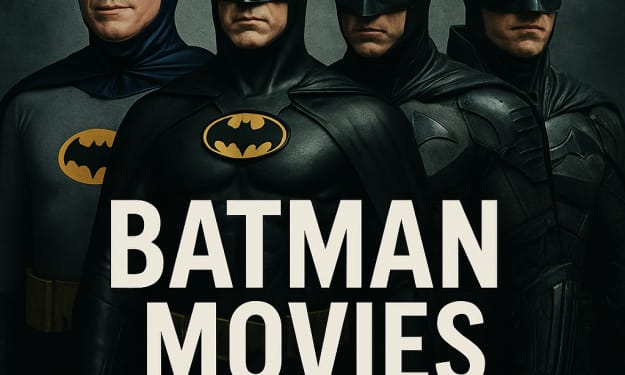
The Evolution of Batman Movies: The Dark Knight on the Big Screen
A Look at the Caped Crusader’s Cinematic Legacy — From Campy Beginnings to Gritty Masterpieces and a Promising Future Batman is more than just a comic book character—he is a cultural icon. First appearing in Detective Comics in 1939, Batman has evolved into one of the most compelling and versatile superheroes in cinema history. His dual identity as billionaire Bruce Wayne and Gotham’s dark protector offers filmmakers an opportunity to explore themes of justice, vengeance, and morality.
By Savio Silva7 months ago in Geeks
Marty Supreme Review: Timothée Chalamet Is Excellent, The Movie… Not So Much
⭐ Rating: 2 out of 5 stars Marty Supreme Directed by Josh Safdie Written by Josh Safdie, Ronald Bronstein Starring Timothee Chalamet, Gwyneth Paltrow, Tyler The Creator, Odessa A'zion
By Sean Patrickabout a month ago in Geeks
Sadie Sink Found Out About Her ‘Spider-Man’ Casting Via Online Speculation: “There’s Sometimes Some Truth To It”
Although sworn to secrecy by the MCU, Sadie Sink admits there’s sometimes some truth to the online fan theories. The actress, who will star in Spider Man Brand New Day in an undisclosed role, admitted “it’s torture” not being able to tell people which character she’s playing in the fourth installment of the Marvel Studios franchise.
By Dena Falken Esqabout 20 hours ago in Geeks



Comments
There are no comments for this story
Be the first to respond and start the conversation.