
'The Running' Man and the Funny Thing About 'Woke' Movies.
For decades, Hollywood has been making “woke” movies — long before the word existed. From They Live to RoboCop and The Running Man, the action and sci-fi classics conservatives once loved were secretly anti-fascist, anti-corporate manifestos.


The Joke About “Woke” Art
Something that never fails to amuse me in the endless online outrage about so-called “woke” art is this: the movies that get tagged as “woke” are almost never showing us anything new.
Hollywood has been sneaking social justice messages into blockbusters for decades — and no one seemed to mind when it came with muscles, machine guns, and explosions.
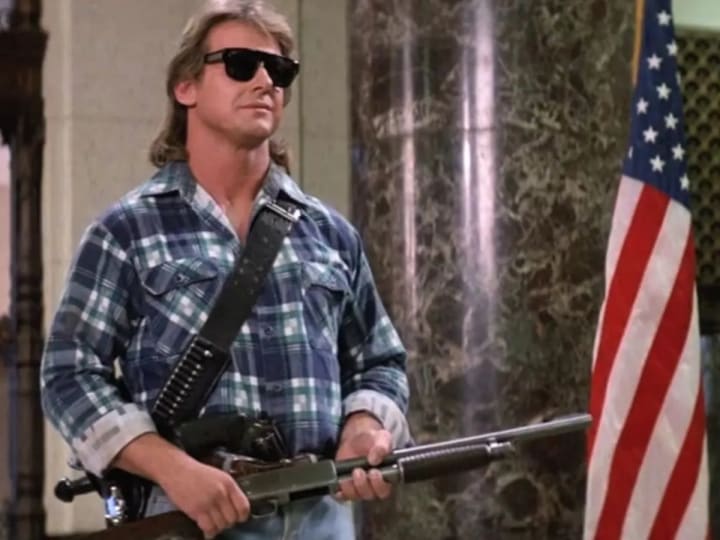
Take They Live (1988). The good guys in John Carpenter’s cult classic are basically Antifa — a ragtag, diverse group of rebels fighting a sleek, fascist regime of corporate aliens. It’s as anti-capitalist as it gets, and yet somehow, the same audiences that now flinch at the word “woke” once cheered as Roddy Piper put on his sunglasses and saw the system for what it really was.
⸻

RoboCop: The Corporate Revolution You Missed
In RoboCop (1987), Peter Weller’s tragic hero is literally turned into a machine built to enforce corporate control over the working class — until he becomes radicalized and turns the system’s weapons back on its creators.
Paul Verhoeven’s masterpiece isn’t just about crime or justice; it’s about a corporate state so obsessed with power that it ends up creating its own destroyer. RoboCop is one of the funniest, bloodiest satires of capitalism ever made — a dystopian labor uprising in chrome armor.
⸻
Snake Plissken and the Power of Rebellion
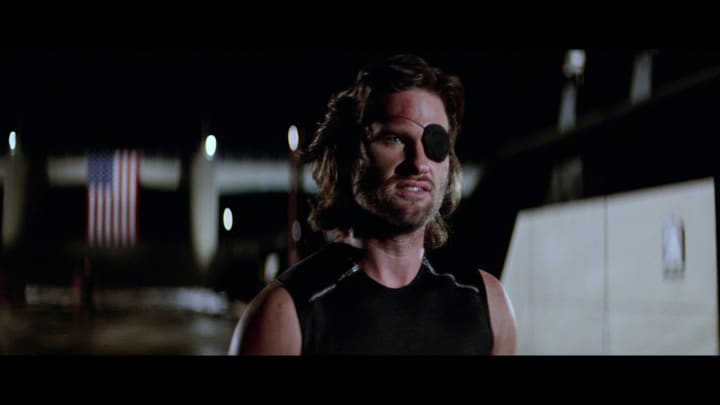
In Escape from New York (1981), John Carpenter once again made rebellion look cool. Snake Plissken, his one-eyed outlaw hero, is remembered as the ultimate tough guy — a sneering symbol of 1980s masculinity. But beneath that smirk is pure anarchy.
Plissken is the guy who flips off authority, exposes the rot at the top, and reminds us that even the most powerful system can be brought down by one man who refuses to obey. He’s every underdog who ever wanted to stick a thumb in the eye of fascism.
⸻
Stallone and Schwarzenegger: Secretly Woke Icons
Even action icons worshipped by the right — Arnold Schwarzenegger and Sylvester Stallone — built careers on stories with woke undertones.
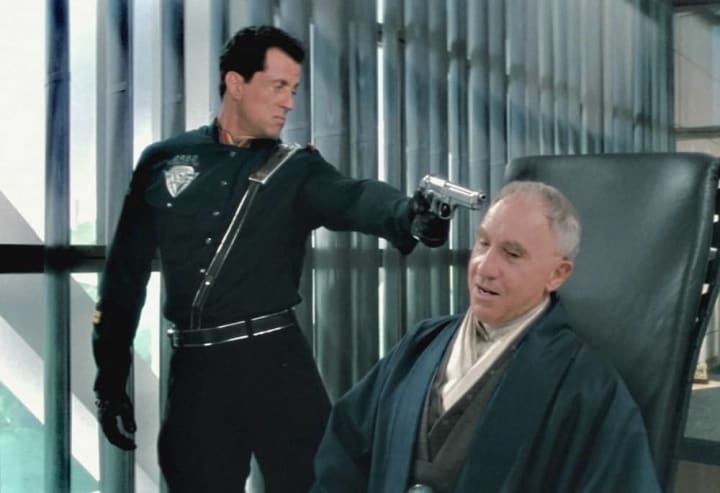
In Demolition Man (1993), Stallone’s John Spartan sides with the poor and hungry to overthrow a smug, sanitized, fascist utopia. By the end, he’s helping to build a new world — one where the rich and oppressed coexist, led by Denis Leary’s underground rebel. Stick around past the credits and you would be watching a story about the redistribution of wealth and the creation of a more equitable society.
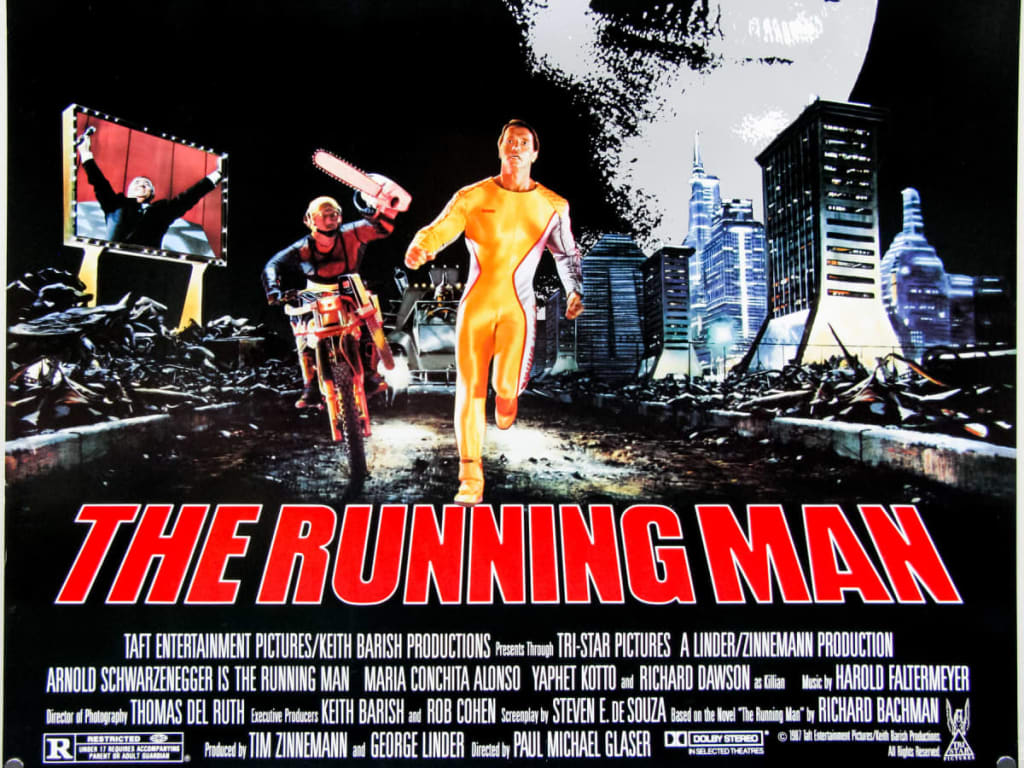
Schwarzenegger’s The Running Man (1987) tells a similar story. His hero becomes a legend by exposing a totalitarian state built on propaganda, media control, and blind patriotism — a society where corporate greed and government censorship are indistinguishable.
Watch past the credits and you can easily imagine everyday Americans rising up to reclaim truth from a corporatized media machine. Sound familiar?
⸻
Hollywood Was Woke Before “Woke” Existed
These are woke ideals — practically socialist in their vision of dismantling oppressive hierarchies to build a fairer future. Hollywood has been “woke” since before the term existed. Sci-fi and horror have always been the most subversive genres — using aliens, cyborgs, and dystopias to explore anti-fascist, anti-corporate, and anti-authoritarian ideas.
For over 50 years, filmmakers like John Carpenter and Paul Verhoeven have been using explosions and satire to smuggle radical thought into multiplexes — and audiences cheered the whole time.
⸻
The Real Irony
Those same “red-blooded” American male audiences who now rage about “wokeness” once lined up for these movies. They bought the tickets, the VHS tapes, and the posters. They idolized heroes who weren’t defending billionaires — they were dismantling their empires.
If media literacy weren’t in such short supply, maybe these fans would have noticed that their favorite tough guys weren’t fighting for Elon Musk. They were fighting against him — freeing the poor, toppling the powerful, and storming the gates of authority like working-class revolutionaries.
They weren’t corporate soldiers. They were rebels with muscles — the cinematic heirs of Marx, not McCarthy.
⸻
Final Thought
The next time someone complains about “woke Hollywood,” remind them:
They already loved it. They just didn’t realize it.
⸻
Tags:
Woke Hollywood, Film History, Science Fiction, Action Movies, 80s Cinema, John Carpenter, Paul Verhoeven, Film Commentary, Pop Culture, Political Satire
About the Creator
Sean Patrick
Hello, my name is Sean Patrick He/Him, and I am a film critic and podcast host for the I Hate Critics Movie Review Podcast I am a voting member of the Critics Choice Association, the group behind the annual Critics Choice Awards.
Reader insights
Outstanding
Excellent work. Looking forward to reading more!
Top insights
Easy to read and follow
Well-structured & engaging content
Excellent storytelling
Original narrative & well developed characters
Expert insights and opinions
Arguments were carefully researched and presented
Eye opening
Niche topic & fresh perspectives
Heartfelt and relatable
The story invoked strong personal emotions
Masterful proofreading
Zero grammar & spelling mistakes
On-point and relevant
Writing reflected the title & theme
Keep reading
More stories from Sean Patrick and writers in Geeks and other communities.
Silver Screen Magic with Mae West
American actress and singer Mae West became a popular film actress during the Great Depression. She started entertaining in vaudeville, then performed on Broadway, and finally went to Hollywood. She signed up with Paramount Pictures and made her debut in the 1932 film “Night After Night.” She also starred in musicals, comedies, and crime dramas. The American Film Institute named her one of the best classic Hollywood actresses.
By Rasma Raisters6 days ago in Geeks
Grant Gustin's Chances Of Returning As The DC Universe's Flash Have Just Increased After New Update
The Flash has yet to be cast for the new DC Universe, and after a new update, the rumors of Grant Gustin's return as Barry Allen in the new franchise have gained strength once again. Gustin made history by playing Barry for The Flash's nine seasons. The actor also starred in multiple Arrowverse crossovers, becoming one of the franchise's fan-favorites.
By Dena Falken Esq4 days ago in Geeks


Comments (2)
I think you're misusing "woke". You absolutely nailed the themes of the films you mention, but if anything, the theme in John Carpenter's work is libertarianism. Anti-Capitalism is a theme in work typically noted as woke, but what bothers anti-woke people more isn't so much anti-capitalism as pro-communism or socialism. And, the "woke" themes that raise the most ire tend to be those around race, sex, and gender. Namely, recasting established characters in films, or adding minority characters to roles where there historically wouldn't have been minorities in those roles.
I believe Woke has been bastardized so that it means if it ‘offends me’ then it’s wrong. The eighties were a great decade of anti capitalist movies, while everyone involved got rich…ya gotta love it