
The Rise of User-Generated Content in Games: How Players Are Shaping the Industry
Exploring How Player Creativity, Modding Tools, and Community Platforms Are Revolutionizing Game Development and Engagement

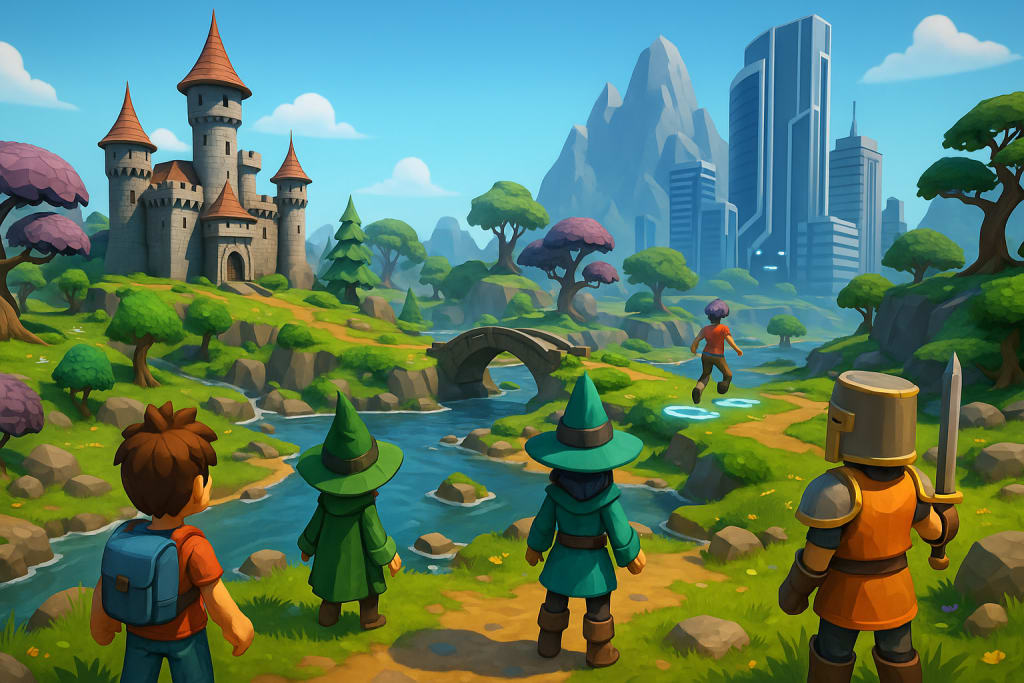
In the past two decades, the gaming landscape has experienced a seismic shift, not just in technological capabilities but also in how content is created and consumed. At the forefront of this transformation is user-generated content (UGC) — a phenomenon that empowers players to become creators, blurring the lines between developer and gamer.
From building intricate levels in "Super Mario Maker" to designing entire game modes in "Roblox" and "Minecraft," players today are no longer just participants in digital worlds; they are architects of them.
What Is User-Generated Content in Games?
User-generated content refers to any in-game content created by players rather than the original developers. This can range from simple cosmetic mods and custom skins to complex game modifications, maps, and even entirely new gameplay mechanics. UGC thrives in sandbox and open-world games but has also made its way into competitive shooters, role-playing games, and mobile platforms.
The appeal lies in the freedom and creativity it offers. Players are given tools — sometimes basic, often sophisticated — to create personalized experiences and share them with a community. This democratization of content creation has revolutionized how games are played and extended their lifecycle significantly.
Key Drivers Behind the Rise of UGC
1. Technological Advancements
Game engines like Unity and Unreal have become more accessible, offering modular design elements and user-friendly interfaces. In-game editors such as Forge in "Halo" or the level editor in "Dreams" further simplify the process for non-programmers.
2. Platform Ecosystems
Platforms like Steam Workshop, Roblox, and itch.io serve as hubs for UGC, offering creators a way to distribute their work and receive feedback. These platforms also support monetization, giving players financial incentives to contribute.
3. Community Engagement
UGC fosters stronger communities. Games with robust creation tools often see more engaged player bases who share tips, collaborate on projects, and compete in user-designed levels or events.
4. Influencer and Streamer Culture
Content creators often spotlight UGC in streams and videos, introducing unique player-made content to broader audiences. This not only fuels creativity but also increases a game’s visibility and replayability.
Iconic Examples of UGC-Driven Games:
Minecraft
Perhaps the most iconic UGC platform, "Minecraft" provides a blank canvas with endless possibilities. From recreating real-world cities to building fully functioning computers within the game, the depth of user innovation is astounding.
Roblox
"Roblox" is more a platform than a game, allowing users to build and publish their own games using the Roblox Studio engine. Many developers have launched successful careers through this platform, earning substantial income and recognition.
LittleBigPlanet & Dreams
Media Molecule’s titles have championed UGC by design. "LittleBigPlanet" introduced level creation tools that were accessible yet powerful, while "Dreams" expanded on this concept, allowing for the creation of full games, animations, and even music videos.
Counter-Strike: Global Offensive (CS:GO)
UGC has had a massive impact on competitive shooters. CS:GO's community-made maps and skins are a key part of its ecosystem, with some creators becoming renowned for their contributions.
Economic and Industry Impact
UGC is not just a hobbyist's playground; it’s big business. Some modders and map creators have turned their passion into full-time careers. Platforms like Roblox and Fortnite offer revenue-sharing models where creators earn a portion of the proceeds generated from their content.
Game studios also benefit. By outsourcing part of the content creation to the community, developers can keep games fresh without stretching internal resources. This symbiotic relationship can extend the longevity and profitability of titles by years.
Challenges and Considerations
Despite its many benefits, UGC presents several challenges:
- Moderation: Ensuring content adheres to community guidelines is a monumental task, especially at scale.
- Quality Control: Not all user content meets professional standards, which can affect the perception of the game.
- Intellectual Property (IP) Issues: Player-created content can sometimes infringe on copyrighted material, leading to legal complications.
- Monetization Ethics: As more players seek to profit from UGC, questions arise around fair compensation, rights ownership, and platform responsibility.
The Future of UGC in Gaming
Looking ahead, UGC is poised to play an even larger role in the gaming ecosystem. With the rise of AI-powered tools, VR/AR environments, and decentralized platforms like blockchain-based games, the barriers to creation will continue to fall. Games might evolve into metaverse-like platforms where creation, interaction, and commerce coexist fluidly.
Epic Games' push with Unreal Editor for Fortnite (UEFN) and initiatives like Core from Manticore Games hint at a future where game development becomes more collaborative and community-driven than ever before.
User-generated content has fundamentally changed the DNA of the gaming industry. What began as niche modding communities has blossomed into a vibrant and essential component of game development and player engagement.
As tools become more sophisticated and communities more interconnected, the influence of players as creators will only grow stronger. The line between game developer and gamer is disappearing — and that might be the most exciting development in gaming yet.
About the Creator
Richard Bailey
I am currently working on expanding my writing topics and exploring different areas and topics of writing. I have a personal history with a very severe form of treatment-resistant major depressive disorder.
Keep reading
More stories from Richard Bailey and writers in Geeks and other communities.
The Future of Cloud Gaming: Trends, Challenges, and Game-Changing Innovations
Cloud gaming is rapidly transforming the gaming industry, offering players access to high-quality games without the need for expensive hardware. Instead of relying on powerful gaming PCs or consoles, players can stream games directly from remote servers, making gaming more accessible than ever before.
By Richard Bailey10 months ago in Geeks
Silver Screen Magic with Mae West
American actress and singer Mae West became a popular film actress during the Great Depression. She started entertaining in vaudeville, then performed on Broadway, and finally went to Hollywood. She signed up with Paramount Pictures and made her debut in the 1932 film “Night After Night.” She also starred in musicals, comedies, and crime dramas. The American Film Institute named her one of the best classic Hollywood actresses.
By Rasma Raisters5 days ago in Geeks
Official and Confirmed: Heavy Snow Set to Begin Late Tonight, Raising Fears of Major Disruptions and Travel Chaos
Meteorological agencies have officially confirmed that heavy snowfall will begin late tonight, triggering widespread weather alerts and raising serious concerns about travel chaos, power outages, and daily life disruptions. Authorities are urging people to prepare now, as conditions are expected to deteriorate rapidly once snowfall intensifies. Unlike brief winter flurries, this weather system is being described as severe, prolonged, and disruptive, with the potential to paralyze transport networks and strain emergency services. What’s Driving This Major Snow Event? The incoming storm is the result of a powerful collision between Arctic air and moisture-rich weather systems, creating ideal conditions for intense snowfall. Forecasters warn that once the cold front fully settles, snow could fall relentlessly for several hours, with accumulation accelerating overnight. In many regions, temperatures are expected to remain well below freezing, meaning snow will stick immediately, increasing the risk of icy roads and frozen infrastructure. Travel Chaos Almost Inevitable Transport authorities have already issued alerts warning that road, rail, and air travel will be severely affected. Snowfall during overnight and early morning hours poses particular risks, as commuters may wake up to impassable roads and delayed services. Motorways and rural routes are expected to be the hardest hit, with drifting snow and black ice creating dangerous driving conditions. Rail operators are preparing for speed restrictions, delays, and possible cancellations, while airports have activated snow-clearing protocols in anticipation of runway closures. Officials are strongly advising people to avoid non-essential travel, especially during peak morning hours. Schools, Businesses, and Public Services at Risk Local authorities are closely monitoring conditions, with the possibility of school closures increasing if snowfall intensifies as predicted. In previous events of similar magnitude, hundreds of schools were forced to shut with little notice. Businesses are also preparing contingency plans, including remote work arrangements where possible. Emergency services have warned that response times may be slower due to blocked roads and hazardous conditions. Hospitals and care facilities are prioritizing staff accommodation and transport to ensure essential workers can reach their posts safely. Power Outages and Infrastructure Concerns Heavy snow combined with strong winds can place enormous pressure on power lines, trees, and communication networks. Energy providers have placed repair crews on standby, warning that localized power outages are possible if lines are damaged by falling branches or ice buildup. Water systems and exposed pipes are also vulnerable in prolonged freezing conditions. Residents are being encouraged to insulate pipes, check heating systems, and prepare emergency supplies, including torches, batteries, and blankets. Advice for Staying Safe Authorities and weather experts have shared practical advice to help people stay safe during the storm: Keep mobile phones fully charged Stock up on essential food and medication Avoid driving unless absolutely necessary Check on elderly or vulnerable neighbors Dress in layers and wear proper winter footwear Drivers who must travel are advised to carry emergency kits, including warm clothing, food, water, and a shovel. Why This Snowfall Is Different What makes this event particularly concerning is not just the volume of snow, but its timing and persistence. Falling overnight and continuing into the morning rush, it has the potential to catch people off guard, leaving little time for road crews to clear major routes. Meteorologists also warn that after snowfall ends, plummeting temperatures could turn melting snow into dangerous ice, prolonging disruption well beyond the storm itself. Climate Patterns and Extreme Winters While winter snow is not unusual, scientists note that extreme and unpredictable weather events are becoming more frequent. Shifts in global climate patterns can lead to colder air plunging south more often, producing intense snowfall even in areas unaccustomed to it. This event serves as another reminder that infrastructure and emergency planning must adapt to a changing climate reality. Authorities Urge Caution as Overnight Snowfall Threatens Roads, Power Supplies, and Daily Life Weather Alerts Issued Nationwide as Arctic Air Brings Dangerous Winter Conditions From Travel Chaos to Power Outages: How the Snowstorm Could Disrupt Millions Emergency Services on High Alert as Heavy Snow and Ice Move In Why This Storm Is Different and What Residents Should Do Now Schools, Transport, and Businesses Brace for Severe Winter Disruptions Meteorologists Warn of Prolonged Snowfall and Icy Conditions After the Storm
By Fiaz Ahmed Brohi4 days ago in Geeks
So You Decided To Become a Nurse Practitioner:
So you decided to become an "Advanced Practice" nurse. Congratulations!... is what I would say if this was a good idea. Grad school? In this economy? What were you thinking? Likely it was something along the lines of either 1) “I've seen these other chucklefucks do it— Why can't I?” or even 2) “I've got a nice career, I should shake it up. I miss feeling like I have no clue what I'm doing.”
By Sandor Szabo2 days ago in Fiction


Comments
There are no comments for this story
Be the first to respond and start the conversation.