
The Rise of AI Influencers - How Virtual Personalities Are Taking Over Social Media
From CGI Creations to Brand Deals: The Future of Digital Stardom

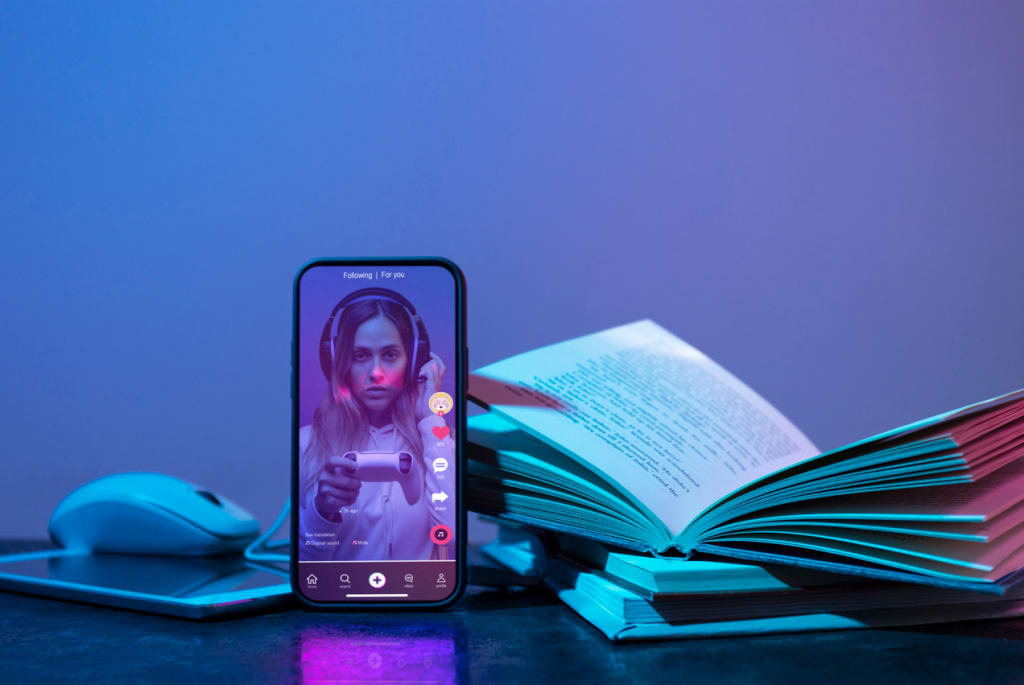
In recent years, a new trend has taken social media by storm— “AI-generated influencers”. These virtual personalities, crafted using advanced artificial intelligence and CGI, are amassing millions of followers, securing brand partnerships, and even making appearances in fashion shows. As technology evolves, the line between real and digital influencers is blurring, raising questions about authenticity, creativity, and the future of online fame.
Who Are AI Influencers?
AI influencers are computer-generated characters designed to look and behave like real people. They post content, engage with followers, and collaborate with brands—all without a physical human behind them. Some of the most popular AI influencers include:
-> Lil Miquela – A 19-year-old (virtual) Brazilian-American model with 3M+ Instagram followers, working with Prada and Calvin Klein.
-> Shudu – The world’s first digital supermodel, created by a photographer, who has worked with Balmain and featured in Vogue.
-> Noonoouri – A stylized virtual influencer with a cartoon-like appearance, promoting luxury brands like Dior and Versace.
These digital avatars are managed by teams of developers, animators, and marketers who script their posts and interactions. Some even use AI-powered chatbots to respond to fans.
Why Are Brands Investing in AI Influencers?
Brands are increasingly turning to virtual influencers for several reasons:
1. Controlled Messaging – Unlike human influencers, AI personalities don’t have scandals, controversies, or unpredictable behavior.
2. Cost-Effective – No travel, makeup, or accommodation expenses—just digital creation and updates.
3. Hyper-Customizable – Brands can tweak an AI influencer’s appearance, voice, and style to fit any campaign perfectly.
4. 24/7 Availability – They don’t need breaks, sleep, or vacations, making them ideal for constant engagement.
Luxury fashion houses like Gucci, Louis Vuitton, and Balmain have already partnered with AI influencers, recognizing their appeal to younger, tech-savvy audiences.
The Ethical Debate: Are AI Influencers Problematic?
While AI influencers offer innovation, they also spark controversy:
-> Unrealistic Beauty Standards – Many AI models have flawless skin, perfect proportions, and impossible aesthetics, raising concerns about body image issues.
-> Job Displacement – Could virtual influencers replace real models, actors, and content creators?
-> Authenticity vs. Deception – Some followers don’t realize these influencers aren’t real, leading to debates about transparency.
Regulators are starting to take notice. In some countries, posts by AI influencers must now be labeled as computer-generated to avoid misleading audiences.
The Future: AI Influencers in the Metaverse
As the “Metaverse and virtual reality” expand, AI influencers are expected to play an even bigger role. Companies are developing “Interactive 3D avatars” that can host live streams, attend virtual events, and even sell digital merchandise (NFTs).
Meta (formerly Facebook) and other tech giants are investing heavily in this space, suggesting that AI-driven personalities could soon dominate digital marketing and entertainment.
Conclusion: A Digital Revolution or a Passing Trend? The Lasting Impact of AI Influencers
AI influencers are more than just a novelty—they represent a fundamental shift in how we consume content, engage with brands, and even perceive celebrity culture. What began as experimental digital avatars has evolved into a full-fledged industry, with virtual personalities securing high-profile collaborations, starring in ad campaigns, and amassing loyal fanbases. Their rise signals a broader transformation in marketing, entertainment, and social interaction, driven by rapid advancements in artificial intelligence, CGI, and virtual reality.
While AI influencers offer exciting possibilities—such as hyper-personalized brand messaging, 24/7 availability, and flawless creative control—they also raise significant ethical and societal questions. Issues like transparency, unrealistic beauty standards, and the potential displacement of human creators demand careful consideration. Regulatory bodies and platforms are already stepping in, with some countries requiring AI-generated content to be clearly labeled, ensuring audiences aren’t misled.
As we stand at the crossroads of this digital revolution, one question lingers: Are we ready for a world where the most famous faces might not even be real? The answer will shape the future of entertainment, marketing, and social media as we know it.
-------
About the Creator
Imtiaz Mahmud (Ratul)
Writer of thoughts, stories, and moments that matter. I share real experiences, reflections, and ideas that connect. Here to inspire, express, and explore through words. Let’s connect through honest writing and meaningful reads.
Welcome
Keep reading
More stories from Imtiaz Mahmud (Ratul) and writers in Geeks and other communities.
The Clockmaker’s Gift
The Town That Forgot How to Dream The town of Willowsend had long forgotten how to dream. Its people moved like clockwork—quiet, punctual, and hollow. The only exception lived in a crooked little shop at the end of Wren Street, surrounded by gears, springs, and the faint scent of lavender oil.
By Imtiaz Mahmud (Ratul)8 months ago in Fiction
Silver Screen Magic with Mae West
American actress and singer Mae West became a popular film actress during the Great Depression. She started entertaining in vaudeville, then performed on Broadway, and finally went to Hollywood. She signed up with Paramount Pictures and made her debut in the 1932 film “Night After Night.” She also starred in musicals, comedies, and crime dramas. The American Film Institute named her one of the best classic Hollywood actresses.
By Rasma Raisters6 days ago in Geeks
Sania Mirza flags structural gaps in Indian Women’s tennis at Australian Open
New Delhi, Jan 16: India U19 pacer Henil Patel credited former South Africa pacer Dale Steyn as his inspiration behind his match-winning performance against the USA at the ICC Under-19 Men’s Cricket World Cup.
By Dena Falken Esq2 days ago in Geeks
Center Stage with Paul Stewart
*** I'm keen to republish the interviews I did for my series with Vocal creators. It's been a few years and I thought it might be nice to revisit these wonderful conversations. I'll be releasing them one at a time for a few weeks/months.
By Heather Hubler4 days ago in Interview



Comments
There are no comments for this story
Be the first to respond and start the conversation.