
The Philosophy of Time Travel in Sci-Fi: From H.G. Wells to Dark
Exploring the Philosophical Dilemmas of Time Travel in Science Fiction

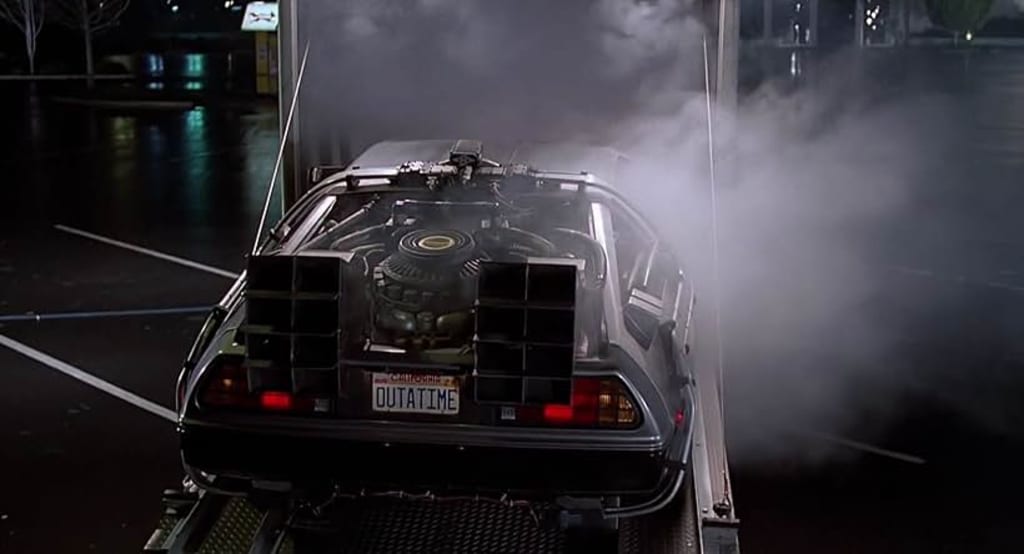
Time travel has fascinated humanity for centuries. The idea of moving through time, changing the past, or witnessing the future is both thrilling and terrifying. Science fiction has explored these concepts in countless ways, raising deep philosophical questions about fate, free will, and paradoxes.
From H.G. Wells’ The Time Machine to modern masterpieces like Dark, time travel stories have evolved, reflecting our growing understanding of physics and philosophy. This article explores how sci-fi has shaped our perception of time travel and the philosophical dilemmas it presents.
1. The Origins: H.G. Wells and the Birth of Time Travel in Fiction
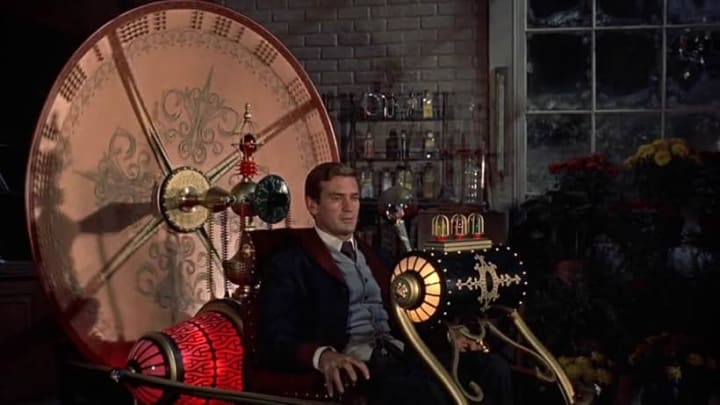
One of the earliest and most influential time travel stories is The Time Machine (1895) by H.G. Wells. Unlike previous myths and legends about people mysteriously skipping through time, Wells introduced a scientific explanation—a machine that allows its user to travel forward or backward in time at will.
Wells' novel set the foundation for future sci-fi works, introducing ideas about temporal cause and effect, distant futures, and the idea that time travel might not be as simple as it seems. His influence can be seen in later works that expand on the mechanics and consequences of traveling through time.
2. Fixed Timelines vs. Alternate Timelines: How Sci-Fi Divides Time Travel
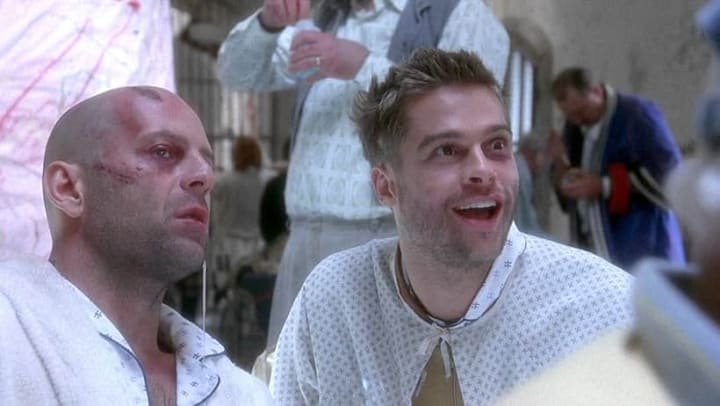
Time travel in fiction typically falls into two categories:
- Fixed Timelines: The past, present, and future are immutable. No matter what a character does, events will always lead to the same outcome. Example: 12 Monkeys (1995), where the protagonist’s attempts to change the past only fulfill a predetermined fate.
- Alternate Timelines: Changing an event in the past can create a new reality. Example: Back to the Future (1985), where Marty McFly’s actions in the past drastically reshape his present.
Both perspectives present intriguing dilemmas. If time is fixed, is free will just an illusion? If alternate timelines exist, does that mean infinite realities are branching off with every decision we make?
3. Paradoxes and Philosophical Dilemmas
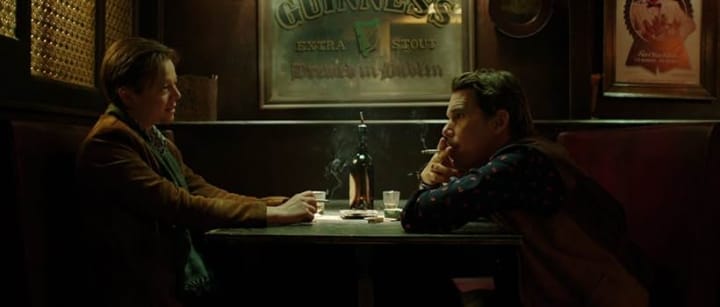
Time travel creates logical paradoxes that challenge our understanding of cause and effect:
- The Grandfather Paradox: If you travel back in time and prevent your grandfather from meeting your grandmother, how could you have been born to travel back in the first place?
- The Bootstrap Paradox: What happens when an object or information exists without an origin? For example, in Predestination (2014), a character’s entire existence is trapped in a self-created loop.
These paradoxes raise questions about whether time travel is logically possible or if our perception of time is flawed.
4. Dark and the Deterministic Loop of Time

Netflix’s Dark (2017–2020) is one of the most intricate time travel stories ever created. Unlike many sci-fi tales that rely on alternate timelines, Dark embraces the idea of a deterministic loop—everything that happens is inevitable. Characters attempt to break free from their fate, only to realize their actions ensure the very events they sought to prevent.
This raises deep philosophical questions: Is destiny unchangeable? If we had full knowledge of the future, could we alter it? Dark presents a world where past, present, and future exist simultaneously, reinforcing the idea that time is an unbreakable cycle.
Conclusion
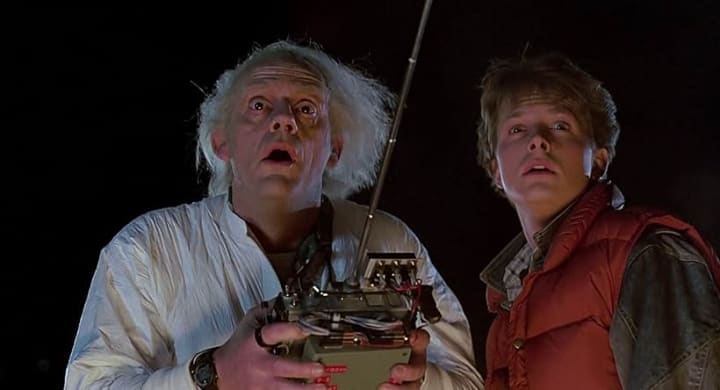
Time travel remains one of sci-fi’s most intriguing and mind-bending concepts. From the early days of The Time Machine to the complexity of Dark, these stories challenge our understanding of time, fate, and free will.
As science advances, we may one day discover whether time travel is possible. Until then, sci-fi continues to explore the endless possibilities, making us question the nature of our own existence.
About the Creator
Bounty Hunter
RPG storyteller, worldbuilder and game designer exploring immersive narratives.
Keep reading
More stories from Bounty Hunter and writers in Geeks and other communities.
What Makes a Villain Memorable? Lessons from Fiction’s Greatest Antagonists
Villains are the lifeblood of storytelling. They drive conflict, challenge heroes, and leave a lasting impact on audiences. But what separates a forgettable antagonist from an iconic one? From Darth Vader’s imposing presence to the Joker’s chaotic philosophy, the greatest villains share key traits that make them stand out. In this article, we’ll explore what makes a villain truly memorable and how these lessons can be applied to storytelling in any medium.
By Bounty Hunter 11 months ago in Geeks
Silver Screen Magic with Mae West
American actress and singer Mae West became a popular film actress during the Great Depression. She started entertaining in vaudeville, then performed on Broadway, and finally went to Hollywood. She signed up with Paramount Pictures and made her debut in the 1932 film “Night After Night.” She also starred in musicals, comedies, and crime dramas. The American Film Institute named her one of the best classic Hollywood actresses.
By Rasma Raisters7 days ago in Geeks
Jungle Beat 2: The Past – A Heartfelt Animated Adventure
Animated films often entertain us with bright colors, expressive characters, and playful humor, but the best ones do something more—they tell stories that resonate across ages. Jungle Beat 2: The Past is one such film. Building on the charm of its predecessor, this sequel expands the Jungle Beat universe by diving into themes of memory, identity, and the importance of understanding one’s roots. While it remains lighthearted and family-friendly, the movie carries emotional depth that makes it memorable long after the credits roll.
By David Cook4 days ago in Geeks


Comments
There are no comments for this story
Be the first to respond and start the conversation.