
What Makes a Villain Memorable? Lessons from Fiction’s Greatest Antagonists
Understanding the Psychology Behind Iconic Villains and Their Lasting Impact on Storytelling

Villains are the lifeblood of storytelling. They drive conflict, challenge heroes, and leave a lasting impact on audiences. But what separates a forgettable antagonist from an iconic one? From Darth Vader’s imposing presence to the Joker’s chaotic philosophy, the greatest villains share key traits that make them stand out. In this article, we’ll explore what makes a villain truly memorable and how these lessons can be applied to storytelling in any medium.
1. A Compelling Motivation
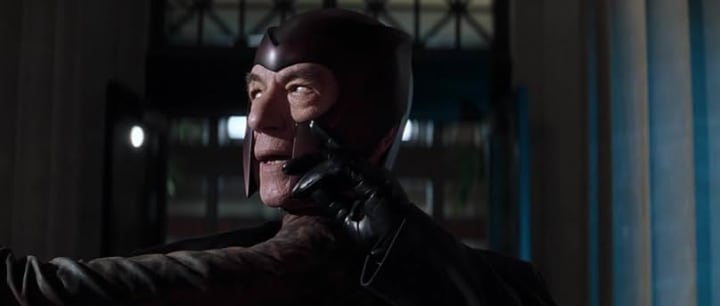
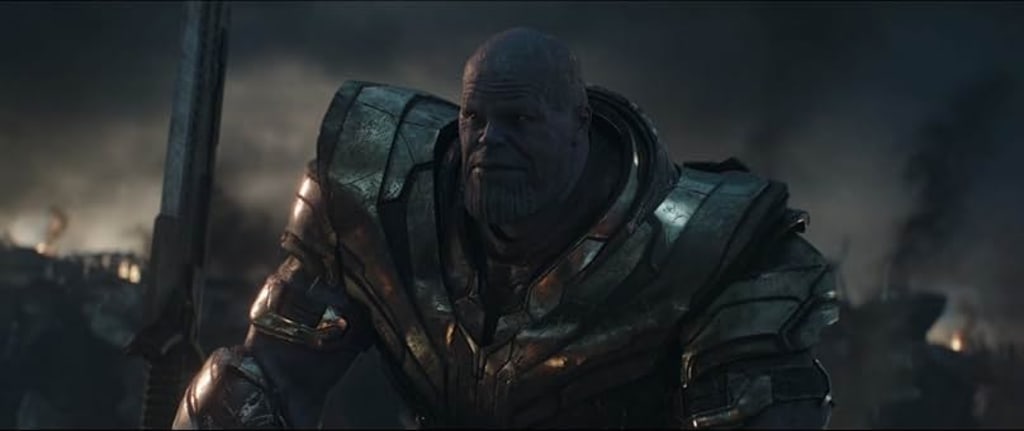
A great villain is never evil for the sake of being evil. Instead, they have strong motivations that often make sense—even if their methods are extreme. Thanos from Avengers: Infinity War believes that wiping out half the universe will restore balance. Magneto in X-Men fights for mutant survival, shaped by the horrors he endured as a child. These motivations make them more than one-dimensional threats; they become characters we can understand, even if we don’t agree with them.
2. A Strong Connection to the Hero
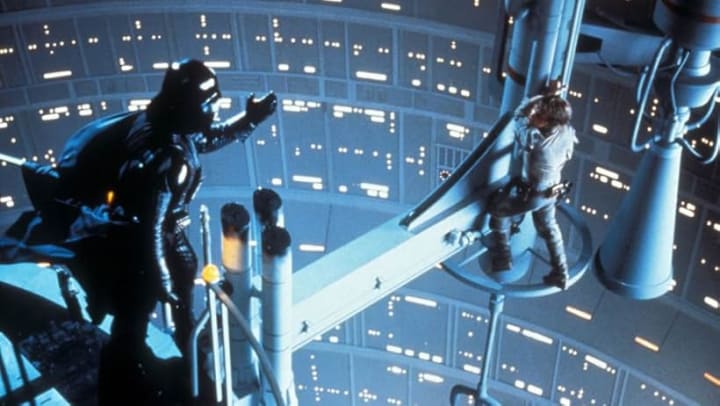
A truly memorable villain is often a reflection or foil to the hero. This dynamic heightens the stakes and creates emotional investment. The Joker wouldn’t be as impactful without Batman; his philosophy of chaos directly opposes Batman’s pursuit of order. Similarly, Darth Vader’s presence looms over Luke Skywalker’s journey, making their eventual confrontation deeply personal. When a villain is tied to the hero’s struggles, the conflict becomes more than just a battle—it becomes a story about ideology, morality, and identity.
3. A Unique and Striking Presence
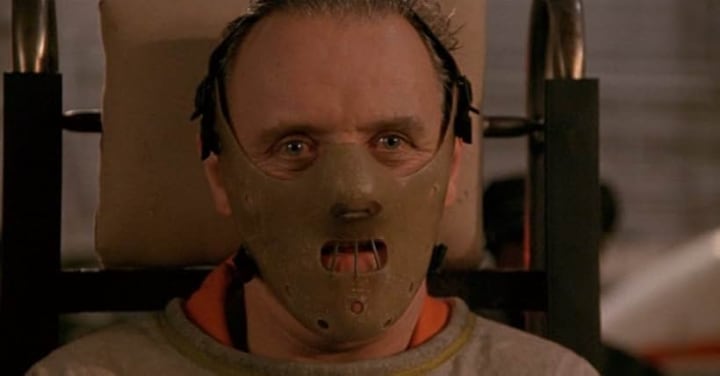
Whether it’s visual design, mannerisms, or speech patterns, the best villains have a presence that makes them unforgettable. Darth Vader’s black armor, deep voice, and heavy breathing instantly establish his menace. Hannibal Lecter’s eerie calmness and articulate speech make him chillingly unpredictable. Even animated villains like Scar from The Lion King stand out with their distinct voices and expressions. A strong presence not only makes a villain memorable but also instills a sense of dread whenever they appear.
4. A Code or Philosophy
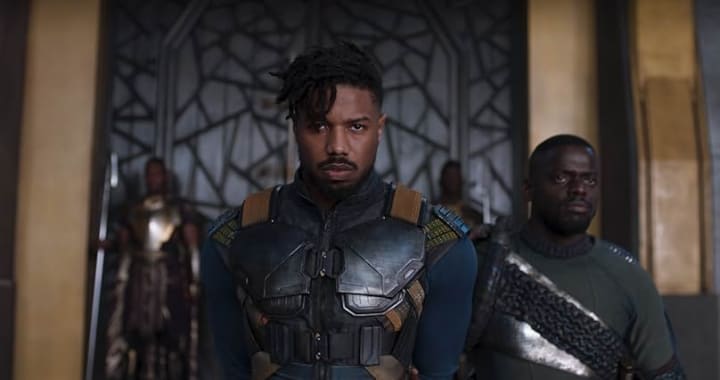
The most iconic villains often have a philosophy that guides their actions. The Joker in The Dark Knight is an agent of chaos, proving that society’s rules are fragile. Killmonger in Black Panther seeks justice for his people but is willing to use extreme measures to achieve it. When a villain’s actions are grounded in a personal code, they feel more realistic and engaging. Their beliefs—even when twisted—make them stand out from generic evil-doers.
5. An Element of Tragedy or Relatability
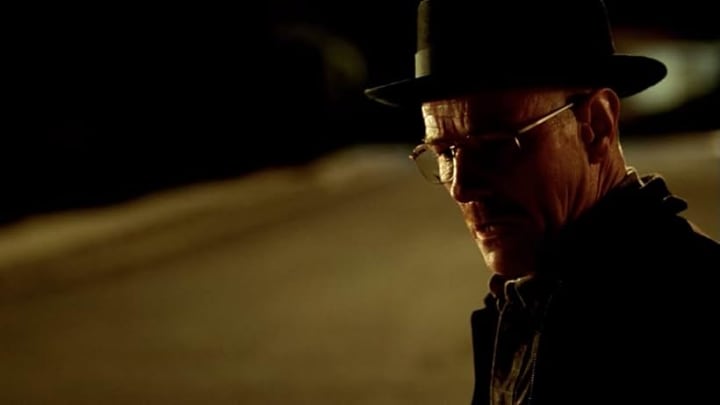
Many great villains have an element of tragedy in their backstory, making them feel more human. Mr. Freeze in Batman: The Animated Series isn’t just a criminal; he’s a man trying to save his terminally ill wife. Walter White in Breaking Bad starts as a desperate teacher trying to provide for his family. These elements make villains compelling because they show that, in different circumstances, they could have been heroes. This complexity makes them more engaging and emotionally resonant.
6. Unpredictability and Presence of Threat
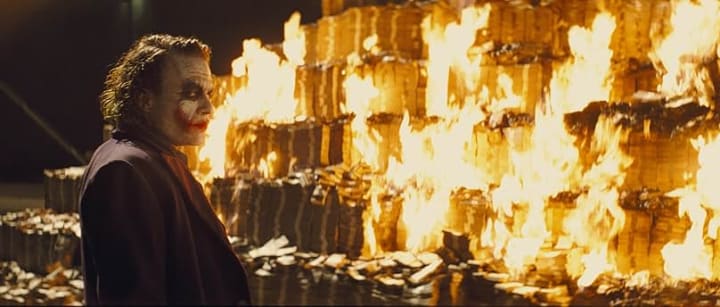
A villain should never feel safe or predictable. The best antagonists keep both the characters and the audience on edge. Anton Chigurh from No Country for Old Men is terrifying because of his randomness and cold efficiency. The Joker thrives on unpredictability, making his actions impossible to anticipate. A villain who constantly challenges expectations keeps the tension high and the audience invested.
7. A Memorable Exit
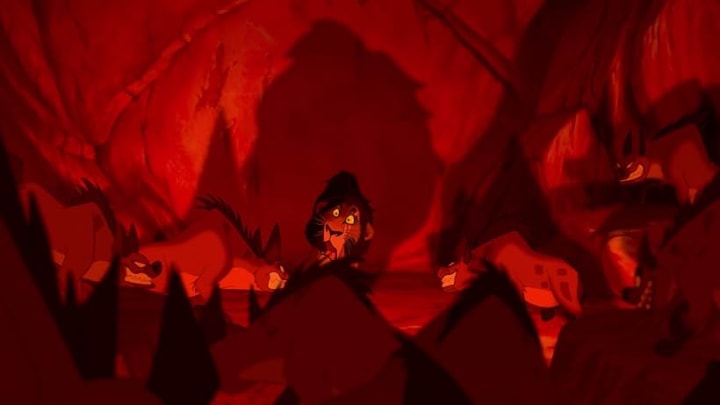
A villain’s final moments can define their legacy. Some go out in a blaze of glory, like Scar’s poetic end at the hands of his own allies. Others, like the Joker in The Dark Knight, leave an open-ended fate, reinforcing their chaotic nature. A powerful exit cements the villain’s impact and can leave audiences thinking about them long after the story ends.
Conclusion
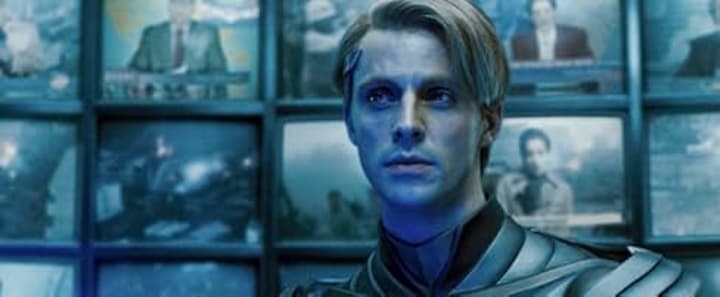
A great villain isn’t just an obstacle for the hero; they are a crucial part of the story’s emotional core. By giving them depth, motivation, and presence, writers create antagonists who linger in the minds of audiences long after the final scene. Whether in films, books, or video games, the most memorable villains are those who challenge our understanding of good and evil, making the story all the more compelling.
About the Creator
Bounty Hunter
RPG storyteller, worldbuilder and game designer exploring immersive narratives.
Keep reading
More stories from Bounty Hunter and writers in Geeks and other communities.
How tabletop adventures reflect and shape real-world skills and perspectives
Roleplaying games (RPGs) have been a source of entertainment for decades, allowing players to embark on thrilling adventures, battle fearsome creatures, and shape grand narratives. However, beyond the dice rolls and character sheets, RPGs offer something even more valuable: life lessons. Whether it's Dungeons & Dragons, Call of Cthulhu, or any other tabletop RPG, these games provide insights into teamwork, problem-solving, empathy, and personal growth. Let’s explore how roleplaying games teach us about life in ways we might not even realize.
By Bounty Hunter about a year ago in Geeks
A Knight of the Seven Kingdoms Series Review (Season 1)
As one of the biggest properties in fantasy, A Song of Ice and Fire remains immensely popular with audiences. After reaching far into the past with House of the Dragon, a second spin-off was on the cards. A Knight of the Seven Kingdoms serves up a bite-sized slice of action and drama, but it still claims a spot among the best small-screen titles.
By Robert Cain14 days ago in Geeks
John Gilchrist embraces portraying Mikey in the Life Cereal Commercials
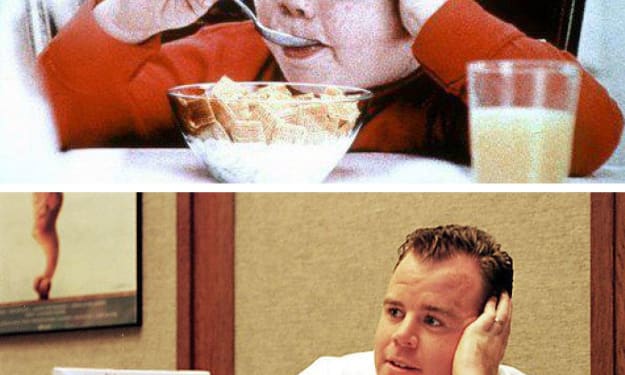
"Give it toMikey, he hates everything." "Hey Mikey, he likes it." These words are from the Life Cereal Commercial, where a little boy named Mikey (John Gilchrist) was eating a bowl filled with the product. This was one of the most popular television commercials from the 1970s.
By Cheryl E Preston3 days ago in Geeks


Comments
There are no comments for this story
Be the first to respond and start the conversation.