
The Philosophy of Choice: Moral Dilemmas in Tabletop RPGs
How Tough Choices Shape Immersive Stories and Deepen Player Engagement

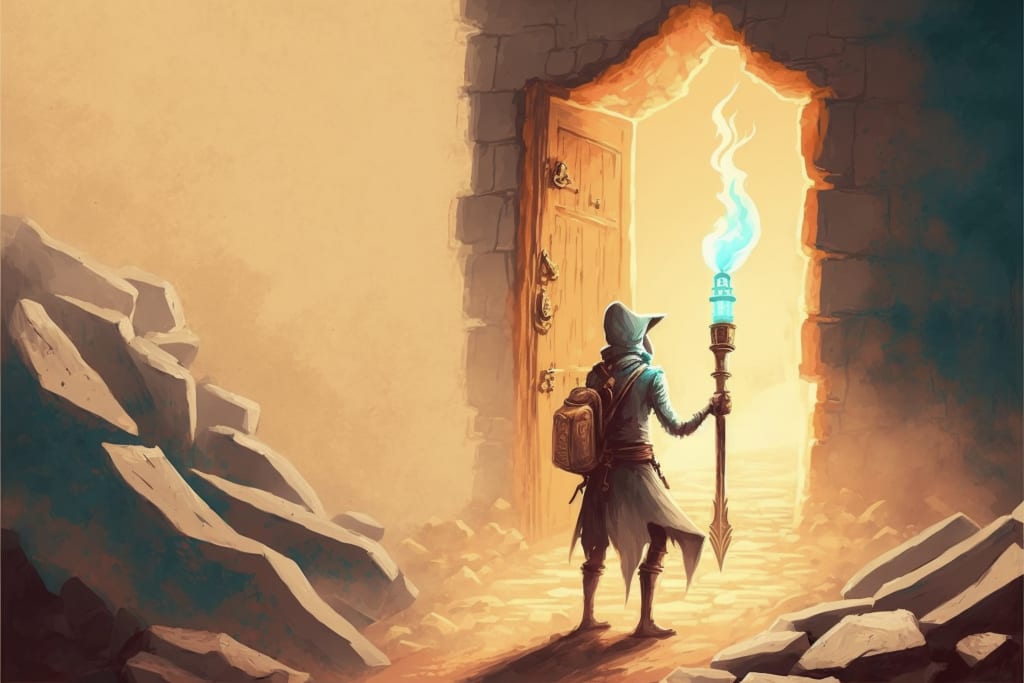
Tabletop role-playing games (TTRPGs) offer a unique space where players can explore ethical dilemmas in a safe and immersive environment. Through narrative-driven decisions, these games challenge players to weigh consequences, question their own values, and engage in deep moral contemplation. But what makes moral dilemmas in RPGs so compelling, and how can game masters (GMs) craft scenarios that leave lasting impacts?
The Psychology Behind Moral Dilemmas in RPGs
Humans are naturally drawn to stories that force difficult choices. In RPGs, moral dilemmas add complexity to gameplay, making choices feel meaningful beyond the simple mechanics of success and failure. When presented with conflicting values—justice versus mercy, loyalty versus truth, power versus restraint—players are forced to reflect on their character’s beliefs and, often, their own.
Neuroscientific studies suggest that decision-making in morally ambiguous situations activates areas of the brain linked to empathy and reasoning. This cognitive engagement is one reason why ethical dilemmas feel so personal in RPGs: players aren’t just choosing actions; they’re defining their characters and shaping the world around them.
Additionally, role-playing allows players to explore perspectives they might not consider in real life. Taking on the mindset of a noble paladin, a cunning rogue, or a conflicted anti-hero encourages players to weigh moral questions from different angles, adding layers of depth to their decision-making.
Crafting Meaningful Ethical Dilemmas as a GM
To create compelling moral choices, GMs should focus on three key elements:
No Clear Right Answer – A true moral dilemma lacks an obvious correct choice. Instead of simple good-versus-evil decisions, present players with nuanced conflicts where every option carries meaningful consequences.
Emotional Stakes – Decisions should matter to the characters on a personal level. Tying moral choices to NPCs the players care about increases investment and makes the dilemma feel more impactful.
Lasting Consequences – Choices should shape the story long-term. If players feel that their decisions don’t matter or are easily undone, moral dilemmas lose their weight. Actions should alter relationships, shape the world, and challenge future choices.
Beyond these core principles, GMs can also use hidden information to heighten tension. Players may not have all the facts when making a choice, forcing them to act on incomplete knowledge. This uncertainty mirrors real-life ethical dilemmas and can lead to unexpected story developments.
Examples of Moral Dilemmas in RPG Campaigns
The Greater Good: The party discovers a deadly plague is spreading through a city. The only way to stop it is to burn down an infected district, killing thousands but saving millions. Do they act or seek an alternative solution, risking the disease spreading?
Loyalty vs. Justice: A trusted ally confesses to a heinous crime but begs for secrecy. Do the players protect their friend, knowing the crime will go unpunished, or reveal the truth and risk tearing their party apart?
Freedom vs. Order: A kingdom’s tyrannical ruler is the only force keeping the region from descending into chaos and war. Removing them might liberate the people, but could also unleash widespread suffering. Do the players uphold their ideals or take a pragmatic approach?
The Price of Power: A mysterious artifact grants immense power, but at a terrible cost. To use it, a life must be sacrificed. Will the players wield this power for good, or refuse and face overwhelming odds?
Survival vs. Morality: The players are stranded in a frozen wasteland with limited supplies. A group of refugees approaches, begging for help. Sharing supplies means everyone might starve; refusing them ensures survival but at the cost of compassion. What choice do they make?
Why Moral Dilemmas Matter in RPGs
Ethical choices in RPGs mirror the complexities of real-life decision-making. They push players to think critically, foster deeper roleplaying experiences, and create memorable narratives that linger long after the session ends. By embracing moral dilemmas, GMs and players alike transform their campaigns into profound explorations of choice, consequence, and the human experience.
Moral dilemmas also encourage collaborative storytelling. Different players will have different perspectives, leading to rich discussions and debates within the party. A well-placed ethical choice can spark some of the most intense roleplaying moments, forcing characters to confront their own values and justifications.
Ultimately, the best RPGs don’t just entertain—they challenge. They ask players to consider who they are, what they stand for, and what they’re willing to sacrifice. Whether in a medieval fantasy world, a futuristic dystopia, or a cosmic horror setting, moral dilemmas elevate the game from simple adventuring to a deeply personal and thought-provoking experience.
About the Creator
Bounty Hunter
RPG storyteller, worldbuilder and game designer exploring immersive narratives.
Keep reading
More stories from Bounty Hunter and writers in Geeks and other communities.
The Psychology of Roleplaying: Why We Love Playing Someone Else
Roleplaying games (RPGs) allow players to step into the shoes of entirely different characters, making choices and experiencing stories from perspectives they might never encounter in real life. But why do we find roleplaying so compelling? What is it about embodying another persona that captures our imagination and keeps us coming back for more? Let’s explore the psychological appeal of roleplaying and how it impacts our emotions, creativity, and social connections.
By Bounty Hunter 11 months ago in Geeks
Silver Screen Magic with Mae West
American actress and singer Mae West became a popular film actress during the Great Depression. She started entertaining in vaudeville, then performed on Broadway, and finally went to Hollywood. She signed up with Paramount Pictures and made her debut in the 1932 film “Night After Night.” She also starred in musicals, comedies, and crime dramas. The American Film Institute named her one of the best classic Hollywood actresses.
By Rasma Raisters7 days ago in Geeks
25 Years Ago The World Welcome Hobbits & Lord of The Rings into Theaters
Twenty-five years ago, a gamble reshaped cinema—and few people realized it in the moment. Where it all started! In December 2001, audiences stepped into Middle-earth with The Lord of the Rings: The Fellowship of the Ring, and something quietly seismic happened. This wasn’t just another fantasy movie arriving for the holiday season. It wasn’t a niche genre experiment or a disposable blockbuster meant to fade once the credits rolled. It was the opening chapter of a cinematic undertaking so ambitious that, even now, it feels borderline impossible that it worked at all.
By Lawrence Lease3 days ago in Geeks
The Devil's Cut
“Comrade, finally you’re awake.” The voice was smooth, sensual. A flickering incandescent bar was all that lit the white, sterile room. All Vladimir remembered was everything going black. He tried to move his arms and found them strapped to the gurney.
By Matthew J. Fromm6 days ago in Fiction


Comments
There are no comments for this story
Be the first to respond and start the conversation.