
The Philosophy of Chaos: Why We Love Unpredictable Characters in Pop Culture
How Unpredictable Characters Challenge Order, Morality, and Our Love for Chaos
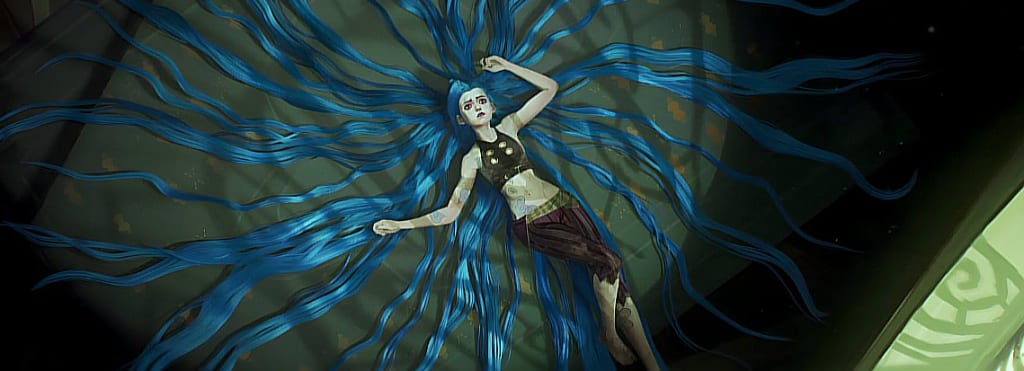
From the cunning antics of Loki to the anarchic energy of Harley Quinn, chaotic characters have always held a unique allure in pop culture. Whether they are antiheroes, tricksters, or unpredictable wildcards, these figures captivate audiences by defying structure and conventional morality. But why do we find them so compelling? The answer lies at the intersection of psychology and philosophy.
Why We Are Drawn to the Unpredictable
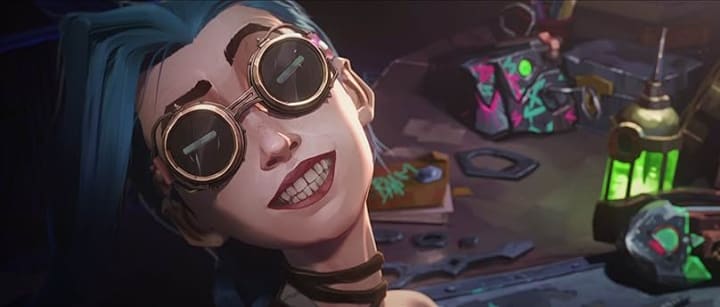
Psychologically, humans are naturally attracted to unpredictability. The element of surprise activates our brain’s reward system, making chaotic characters particularly engaging. This is why figures like Jinx (Arcane) or The Joker (The Dark Knight) become instant fan favorites—they keep us on edge, never allowing us to predict their next move.
Additionally, chaos often represents freedom. In a structured world where rules govern our actions, chaotic characters embody an escape from societal norms. They challenge authority, break the mold, and embrace impulsivity in a way that many secretly admire. This taps into the psychological concept of vicarious rebellion—the thrill of watching someone do what we cannot. By living vicariously through them, audiences experience an exhilarating sense of liberation from everyday constraints.
Moreover, chaos is inherently linked to excitement. Predictability breeds boredom, while uncertainty stimulates curiosity and engagement. Characters like Deadpool or Captain Jack Sparrow harness this unpredictability, using humor, erratic behavior, and unorthodox problem-solving to keep audiences entertained. Their charisma is amplified by their refusal to adhere to traditional hero archetypes.
Nietzsche, Heraclitus, and the Rejection of Order
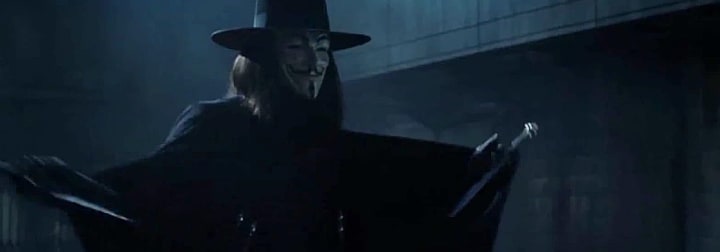
From a philosophical standpoint, chaos has long been a subject of fascination. The ancient philosopher Heraclitus proposed that "change is the only constant," suggesting that disorder is the natural state of existence. Friedrich Nietzsche, on the other hand, introduced the concept of the Übermensch, an individual who rejects imposed morality and creates their own values—an idea reflected in many chaotic characters.
Characters like V from V for Vendetta or Tyler Durden from Fight Club embody this Nietzschean ideal. They reject conventional ethics, laugh in the face of fate, and carve their own paths, often in a morally gray landscape. Their chaos is not always random; sometimes, it is a tool to dismantle outdated structures and expose hidden truths. They become symbols of personal liberation and societal critique, illustrating that chaos can be both destructive and transformative.
Moral Ambiguity: The Appeal of the Rule-Breaker
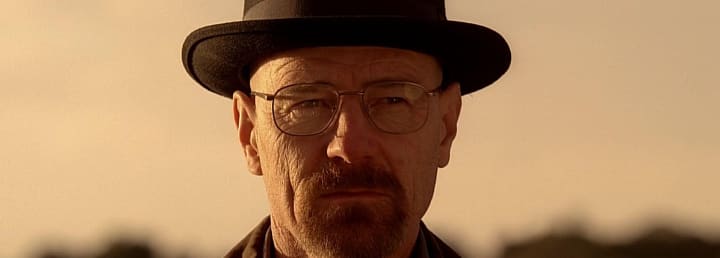
Chaotic characters challenge our perception of right and wrong. Unlike traditional heroes who follow a clear moral code, these figures operate outside conventional ethics, making them more relatable in a morally complex world. Walter White (Breaking Bad), for example, starts as an everyman but gradually embraces chaos, forcing audiences to question their own moral boundaries.
This moral ambiguity makes chaotic characters feel more human. While superheroes often represent an ideal, characters like Venom, Catwoman, or Loki reflect our inner conflicts—the struggle between control and impulse, good and evil. They remind us that morality is not always black and white, but often a spectrum of grays, where circumstances dictate the choices we make.
Furthermore, chaotic characters expose the flaws of rigid systems. Many are driven by past trauma, injustice, or disillusionment, leading them to reject established norms. This makes their chaos feel justified, even necessary, as they challenge corruption, oppression, or hypocrisy. Their actions may be extreme, but their motivations often resonate with audiences on a deeper level.
Cultural Evolution: The Rise of Chaotic Figures in Modern Media
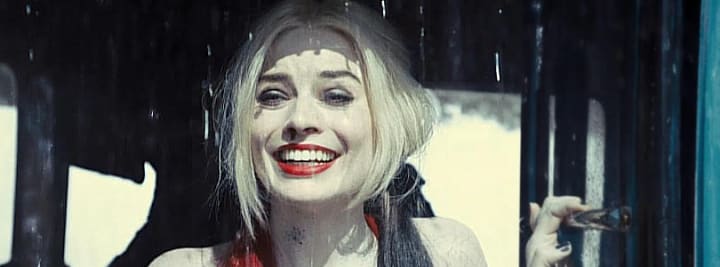
Over time, chaotic characters have evolved from mere sidekicks or villains to protagonists in their own right. This shift reflects a broader cultural change: a move away from black-and-white morality and toward nuanced storytelling. Audiences now crave complexity, and chaotic characters provide layers of unpredictability, humor, and depth.
In an era of increasing social restrictions and rigid expectations, these figures remind us of the power of spontaneity and the beauty of the unknown. Whether through comedic mischief or destructive anarchy, they challenge us to rethink our own relationship with chaos. They embody the idea that disorder is not always detrimental—sometimes, it is the spark that ignites change.
Why Chaos Will Always Captivate Us
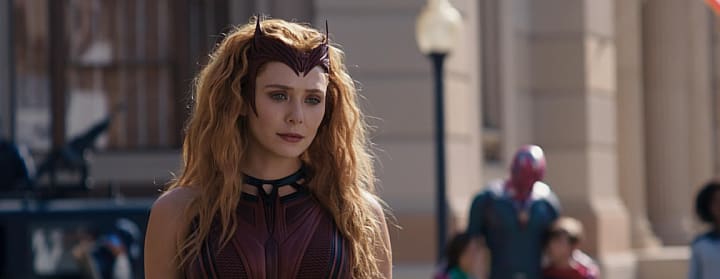
At their core, chaotic characters embody the thrill of the unexpected and the rejection of conformity. Through psychology, they tap into our desire for excitement and freedom. Through philosophy, they challenge our perception of order and morality. Their unpredictability keeps us engaged, their defiance makes them unforgettable, and their complexity ensures they will always have a place in our hearts.
As pop culture continues to evolve, one thing remains certain—chaos will always be an essential element of compelling storytelling. Whether they are agents of destruction or symbols of rebellion, these characters remind us that sometimes, breaking the rules is what makes life truly interesting.
Here’s something else you might enjoy:
About the Creator
Bounty Hunter
RPG storyteller, worldbuilder and game designer exploring immersive narratives.
Keep reading
More stories from Bounty Hunter and writers in Geeks and other communities.
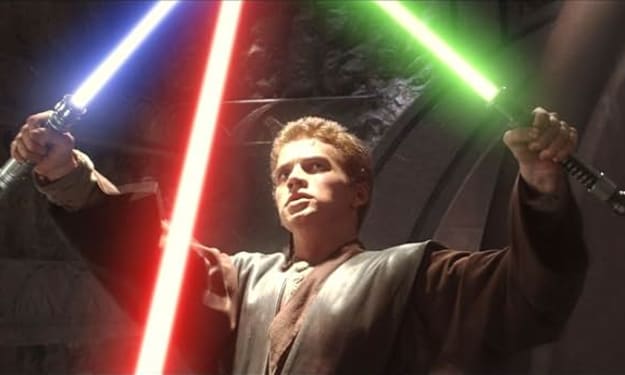
The Hidden Meanings Behind Lightsaber Colors in Star Wars
Since their first appearance in Star Wars: A New Hope, lightsabers have become one of the most iconic symbols in science fiction. Initially, blue and red sabers defined the conflict between Jedi and Sith. However, as the franchise expanded, new colors emerged, each with its own lore and deeper symbolic meaning.
By Bounty Hunter 11 months ago in Geeks
Silver Screen Magic with Mae West
American actress and singer Mae West became a popular film actress during the Great Depression. She started entertaining in vaudeville, then performed on Broadway, and finally went to Hollywood. She signed up with Paramount Pictures and made her debut in the 1932 film “Night After Night.” She also starred in musicals, comedies, and crime dramas. The American Film Institute named her one of the best classic Hollywood actresses.
By Rasma Raisters7 days ago in Geeks



Comments
There are no comments for this story
Be the first to respond and start the conversation.